⭐ 5 Perfect Pot Styles for Star Fruit
Averrhoa carambola
By the Greg Editorial Team
Sep 30, 2024•8 min read
This article was created with the help of AI so we can cover more plants for you. May contain errors. See one? Report it here.
Boost your Star Fruit's health and yield by mastering pot size and material choices! 🌱🍏
- 🌱 Start seedlings in 4-6 inch pots; transition to larger ones as they grow.
- 🏺 Choose 18-24 inch pots for mature trees to prevent root binding and promote growth.
- 💧 Ensure proper drainage with 3-5 holes to avoid root rot and yellowing leaves.
Importance of Pot Size for Different Growth Stages
Recommended Pot Sizes 🌱
Choosing the right pot size is crucial for the healthy growth of your Star Fruit plant.
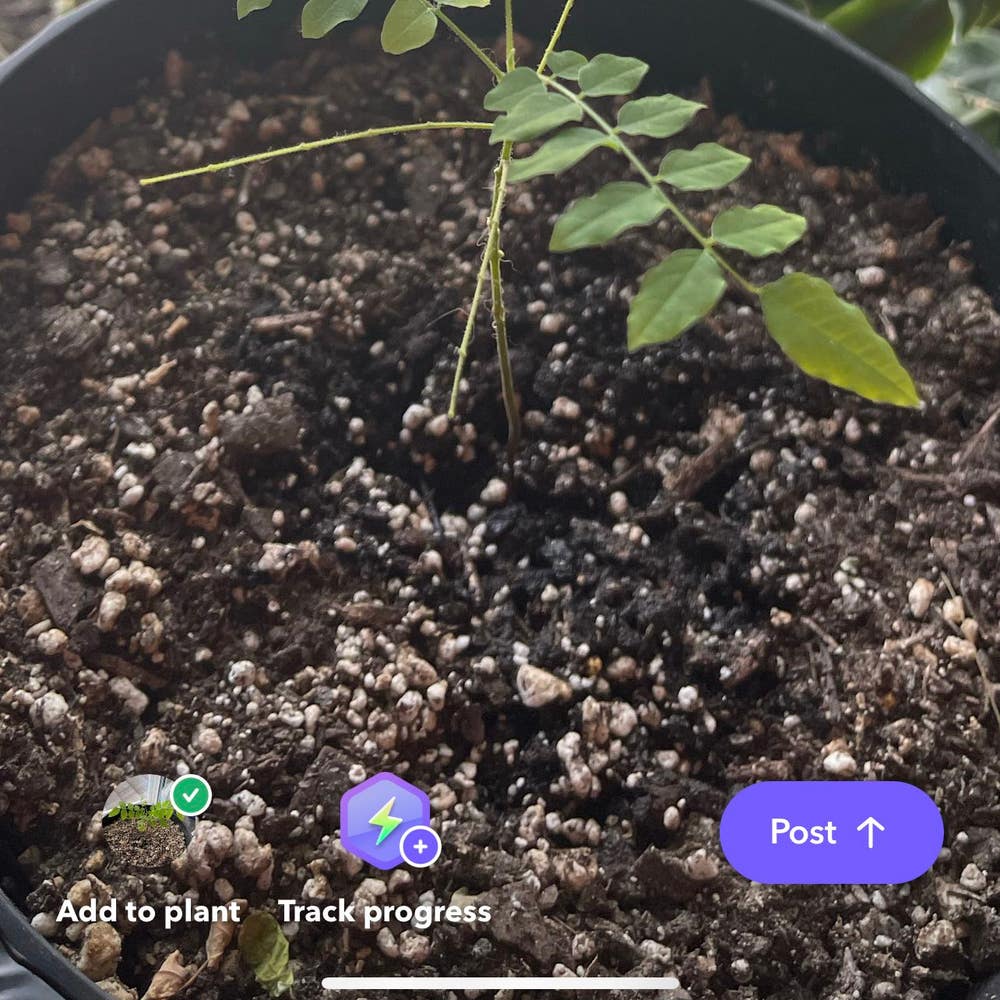
Seedlings: Start with a container that is 4-6 inches in diameter and 6-8 inches deep. This size supports initial root development effectively.
Young Plants: As your plant grows, transition to a pot that is 10-12 inches in diameter and 10-12 inches deep. This allows the roots to expand and thrive.
Mature Trees: For fully grown Star Fruit trees, opt for a container that is 18-24 inches in diameter and 18-24 inches deep. This spacious environment accommodates extensive root growth.
Growth Stage Considerations 📈
Adjusting pot size as your Star Fruit matures is essential to prevent root binding.
Failing to do so can stunt growth and reduce fruit production.
To optimize health and yield, consider transitioning pots at each growth stage. This proactive approach ensures your plant has the space it needs to flourish.
By being mindful of pot sizes, you can significantly enhance the vitality and productivity of your Star Fruit.
Next, we’ll explore the various pot materials and their impact on your plant's growth.
Pot Materials
Advantages and Disadvantages of Clay Pots 🌱
Clay pots are a popular choice for growing Star Fruit due to their breathable material. This allows for better airflow to the roots, promoting healthy growth.
However, they come with some drawbacks. Clay pots are heavier, making them difficult to move, and they can crack in extreme temperatures, which may pose a risk to your plant.
Advantages and Disadvantages of Plastic Pots ♻️
Plastic pots offer a lightweight and easy-to-move alternative. They are generally more affordable and come in various sizes, making them accessible for many gardeners.
On the downside, plastic pots are less breathable than clay. This can lead to root rot if drainage is inadequate, and they may degrade over time when exposed to UV light.
Other Materials to Consider 🏺
When considering pot materials, ceramic is another option. It has great aesthetic appeal but can be heavy and expensive, which might not suit every gardener's needs.
Metal pots are durable but can heat up quickly, potentially harming the roots of your Star Fruit.
Material Comparison 📊
| Material | Durability | Aesthetics | Suitability for Star Fruit |
|---|---|---|---|
| Clay | Moderate | High | Good |
| Plastic | Low | Low | Fair |
| Ceramic | High | Very High | Fair |
| Metal | High | Moderate | Poor |
Choosing the right pot material is essential for the health of your Star Fruit. Each option has its pros and cons, so consider what works best for your gardening style and environment.
As you explore pot materials, keep in mind how they can impact your plant's growth and fruit production. This understanding will help you make informed choices for your Star Fruit journey.
Drainage Considerations
Importance of Drainage Holes 🌊
Drainage holes are essential for preventing water accumulation in pots, which can be detrimental to Star Fruit health. Ideally, each pot should have at least three to five holes, each about half an inch in diameter, to ensure proper drainage.
Ensuring Proper Drainage in Pots 🏺
To enhance drainage, consider adding a layer of gravel or perlite at the bottom of your pots. This layer helps excess water escape while preventing soil from clogging the holes.
Using a well-draining soil mix specifically designed for tropical plants is crucial. Look for mixes that contain ingredients like coconut coir or perlite to promote airflow and moisture retention.
Signs of Poor Drainage and Their Impact on Star Fruit Health 🚨
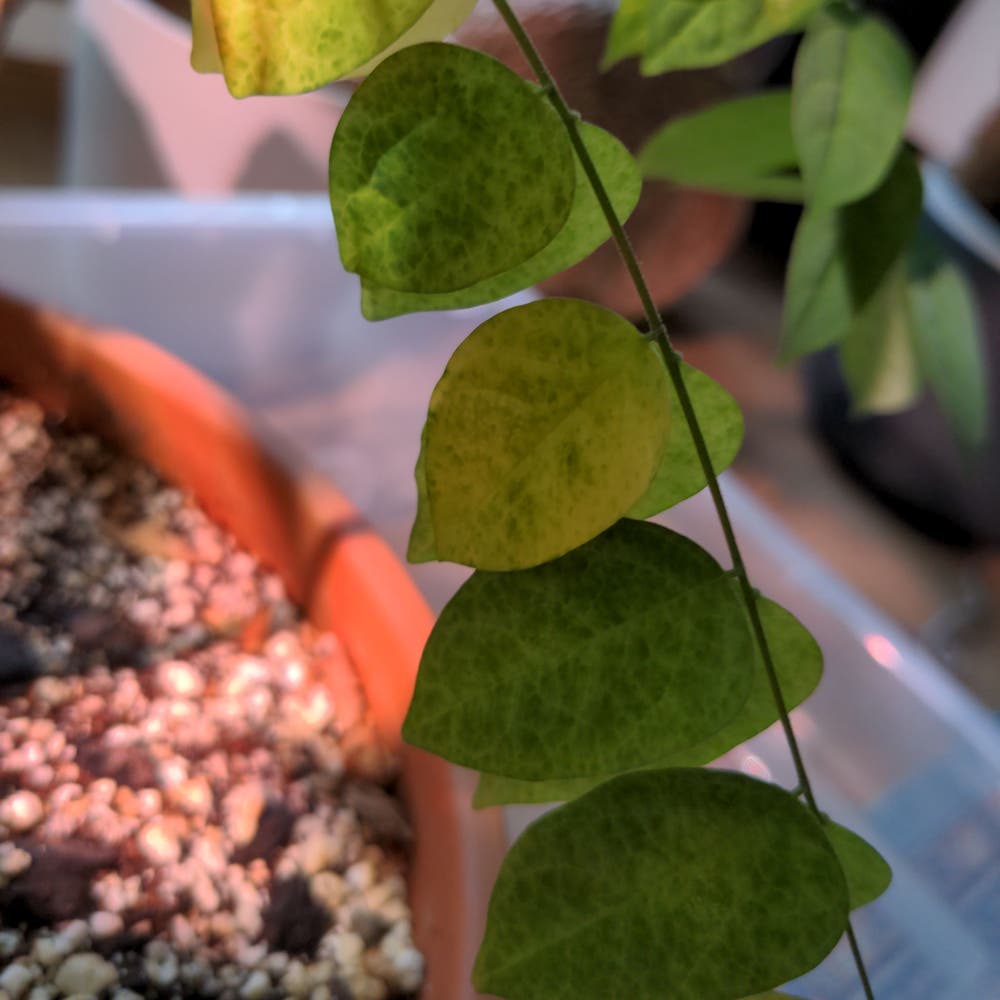
Watch for symptoms like yellowing leaves, wilting, and root rot, which indicate poor drainage. If these issues persist, they can severely impact growth and fruit production, leading to disappointing yields.
Addressing drainage problems promptly can save your Star Fruit plant from long-term damage. Healthy drainage is not just a preference; it's a necessity for thriving plants.
In the next section, we’ll explore when and how to repot your Star Fruit to ensure continued growth and vitality.
Repotting Star Fruit
🌱 When to Repot Star Fruit
Repotting your Star Fruit plant is essential for its health. Generally, you should consider repotting every 1-2 years, depending on its growth rate and the size of the pot.
Spring or early summer is the best time for this task. This timing allows the plant to recover and thrive in the warmer months.
🚨 Signs Indicating the Need for Repotting
Keep an eye out for specific signs that indicate it's time to repot. If you notice roots growing out of the drainage holes, it's a clear signal that your plant needs more space.
Stunted growth, despite proper care, is another red flag. Additionally, if the soil seems depleted or drainage is poor, repotting is necessary to rejuvenate your Star Fruit.
🛠️ Step-by-Step Guide to Repotting Star Fruit
Repotting can seem daunting, but it’s straightforward. Follow these steps for a successful transition:
- Choose a New Pot: Select a pot that is 2-4 inches larger in diameter than the current one.
- Prepare Potting Mix: Use fresh, well-draining potting mix to ensure healthy growth.
- Remove the Plant: Gently take the Star Fruit plant out of its current pot, being careful not to damage the roots.
- Inspect Roots: Check for any signs of rot and trim away any damaged areas.
- Replant: Place the plant in the new pot, filling in with fresh soil. Ensure the root ball is level with the top of the pot.
- Water Thoroughly: After repotting, water the plant well and place it in a suitable location to recover.
By following these steps, you’ll set your Star Fruit up for success. A little care during repotting can lead to a flourishing plant and a bountiful harvest.
Next, let’s explore how the choice of pot can impact the growth and health of your Star Fruit.
Impact of Pot Choice on Growth
🌱 How Pot Choice Affects Root Health
The choice of pot material and size plays a crucial role in the health of your Star Fruit's roots. Clay pots, for instance, offer excellent airflow, allowing roots to breathe, while plastic pots, though lightweight, can restrict airflow and lead to root rot if not properly drained.
Moisture retention is another key factor. A pot that retains too much moisture can suffocate roots, while one that drains too quickly may not provide enough hydration. Finding the right balance is essential for robust root development.
🍏 Influence of Pot Size on Fruit Production
Pot size significantly impacts the quantity and quality of fruit your Star Fruit produces. A larger pot allows for more root growth, which translates to better nutrient uptake and, ultimately, healthier fruit.
For example, gardeners who use pots that are 18-24 inches in diameter often report higher yields compared to those using smaller containers. The extra space gives roots room to expand, leading to more vigorous growth and fruiting.
📚 Case Studies or Examples of Pot Choices Affecting Growth
Real-life examples highlight the importance of pot selection. One gardener switched from a 10-inch plastic pot to a 20-inch clay pot and saw a remarkable increase in fruit yield within a single growing season.
Another case involved a group of enthusiasts who experimented with various pot materials. Those using ceramic pots noted improved aesthetics but faced challenges with weight and heat retention, impacting root health.
These stories underscore the need for careful consideration of pot choice, as it can directly influence both plant health and fruit production. As you plan your Star Fruit garden, remember that the right pot can make all the difference.
Transitioning to the next topic, let's explore the essential drainage considerations to ensure your Star Fruit thrives.
⚠️ Safety First
This content is for general information and may contain errors, omissions, or outdated details. It is not medical, veterinary advice, or an endorsement of therapeutic claims.
Always consult a qualified healthcare professional before using any plant as food, medicine, or supplement.
Never eat any plant (or feed one to pets) without confirming its identity with at least two trusted sources.
If you suspect poisoning, call Poison Control (800) 222-1222, the Pet Poison Helpline (800) 213-6680, or your local emergency service immediately.
Spotted an error? Please report it here.
Ensure your Star Fruit flourishes and bears fruit abundantly 🍈 by using Greg's tailored potting advice and reminders for optimal growth conditions!