⭐ What Is A Good Temperature Range For My Star Fruit?
Averrhoa carambola
By the Greg Editorial Team
Jun 18, 2024•4 min read
This article was created with the help of AI so we can cover more plants for you. May contain errors. See one? Report it here.
Cultivate a lush star fruit bounty 🌟 by mastering the ideal 70°F-95°F temperature range! 🌡️
- 70°F to 95°F is ideal for Star Fruit, mimicking their tropical home.
- Protect from heat and cold with shade cloth and insulation.
- Watch for stress signs like leaf discoloration and wilting.
Nailing the Perfect Temperature Sweet Spot
🌡️ What Star Fruit Loves
Star Fruit plants bask in warmth. The ideal temperature range for these tropical darlings is between 70°F to 95°F (21°C to 35°C). This range is their comfort zone, where they can flourish and bear the unique fruits that make gardeners beam with pride. The reason? It's a nod to their tropical origins, where balmy days and slightly cooler nights are the norms.
🌞 When Temperatures Rise: Protecting Your Star Fruit
As the mercury climbs, your Star Fruit may start to feel the heat. Shade cloth can be a summer savior, providing a respite from intense sun rays. Ensure adequate watering to keep the soil moist, as this helps in temperature regulation. If your plant's leaves begin to wilt or scorch, it's a clear sign they're pleading for a cooldown. Keep an eye out for these distress signals and act swiftly to prevent your Star Fruit from turning into a sun-dried snack.

Chilly Challenges: Preventing Cold Stress
❄️ Recognizing the Chill
Star Fruit plants don't take kindly to the cold. Symptoms of cold stress include wilting, leaf discoloration, and a halt in growth. It's a tropical plant's silent scream for warmer weather. When temperatures dip below 50 degrees Fahrenheit, it's time to act—frost is a Star Fruit's arch-nemesis.
🧣 Keeping the Warmth In
Insulation is key during the cold months. Wrapping pots in bubble wrap or using frost cloths can shield your Star Fruit from the chill. For those unexpected cold snaps, quick fixes like moving plants indoors or utilizing a heat lamp can save the day. Remember, the goal is to mimic a cozy tropical breeze, not a scorching desert wind.

Spotting Trouble: Symptoms of Temperature Stress
🌡️ Visual Cues
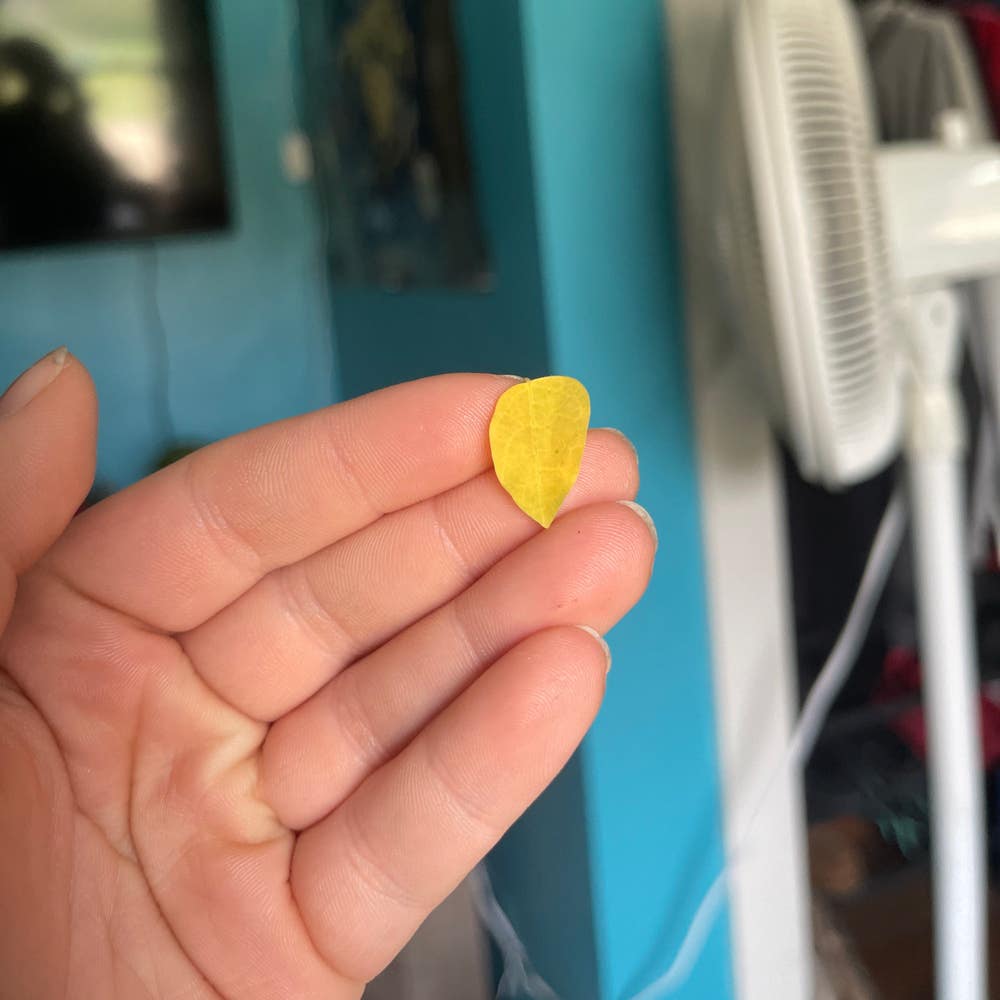
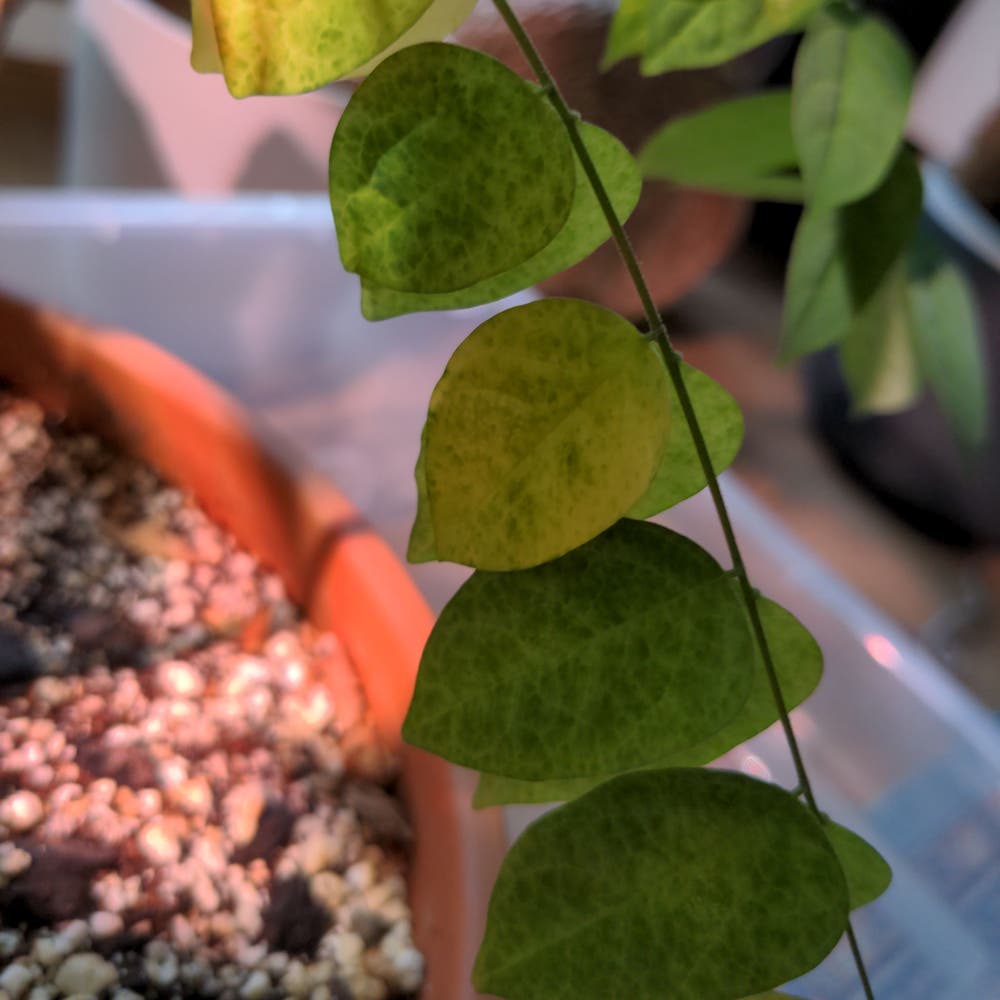
Star Fruit plants are chatty; their leaves and fruits spill the beans on their comfort level. Leaf discoloration is a gossip, revealing too much heat with a yellow tinge or too much cold with brown spots. Wilting leaves are the drama queens, overly theatrical about the heat. And when leaves drop like they're in a horror movie, it's the ultimate distress signal. Sunscald on fruits plays the villain, showcasing its havoc with blisters or sunken patches.
🚑 Immediate Actions
When your Star Fruit screams "I'm in a temperature crisis!" through wilted or scorched leaves, it's time for some plant first-aid. Move it to a shadier spot or erect a sun shield to combat heat stress. For cold stress, wrap it up in a plant blanket or move it to a warmer location. Quick action can turn a plant horror story into a tale of survival.
A Quick Humidity Check
💦 Humidity's Role in Star Fruit Health
Humidity is the invisible ally of your Star Fruit plant. Just as temperature is crucial, so is the moisture in the air. Aim for around 50% humidity—it's the sweet spot where your Star Fruit can flourish without the leaves throwing a fit or the roots drowning in excess moisture.
🌡 Monitoring and Adjusting Humidity
Don't play guessing games with humidity; use a hygrometer to keep tabs on it. If the air's too dry, your Star Fruit's leaves will signal distress with curling edges and brown tips. Too moist, and you're setting the stage for root rot and fungal parties. Keep those levels in check to sidestep these issues.
🛠 Quick Fixes for Humidity Control
If you find the air in your Star Fruit's abode drier than a stand-up comedian's wit, it's time to up the ante. Misting can help, but don't overdo it—nobody likes a soggy plant. Conversely, if your plant's environment feels like a sauna, consider a dehumidifier to dial it back to comfortable levels.
⚠️ Safety First
This content is for general information and may contain errors, omissions, or outdated details. It is not medical, veterinary advice, or an endorsement of therapeutic claims.
Always consult a qualified healthcare professional before using any plant as food, medicine, or supplement.
Never eat any plant (or feed one to pets) without confirming its identity with at least two trusted sources.
If you suspect poisoning, call Poison Control (800) 222-1222, the Pet Poison Helpline (800) 213-6680, or your local emergency service immediately.
Spotted an error? Please report it here.
Ensure your star fruit plant flourishes 🌡️ with Greg's custom care alerts, helping you adjust to the ideal warmth and humidity without the guesswork.