⭐ Understanding Why Your Star Fruit Is Wilting
Averrhoa carambola
By the Greg Editorial Team
Sep 30, 2024•6 min read
This article was created with the help of AI so we can cover more plants for you. May contain errors. See one? Report it here.
Transform your wilting star fruit 🌟 into a thriving beauty with these essential care tips and tricks!
- 🌱 Wilting in star fruit often stems from water stress, heat, or diseases.
- 💧 Consistent moisture is key; overwatering causes root rot, while underwatering leads to dryness.
- 🌞 High temperatures above 30°C can cause leaf curling; provide shade and humidity.
Common Causes of Wilting Leaves
💧 Water Stress
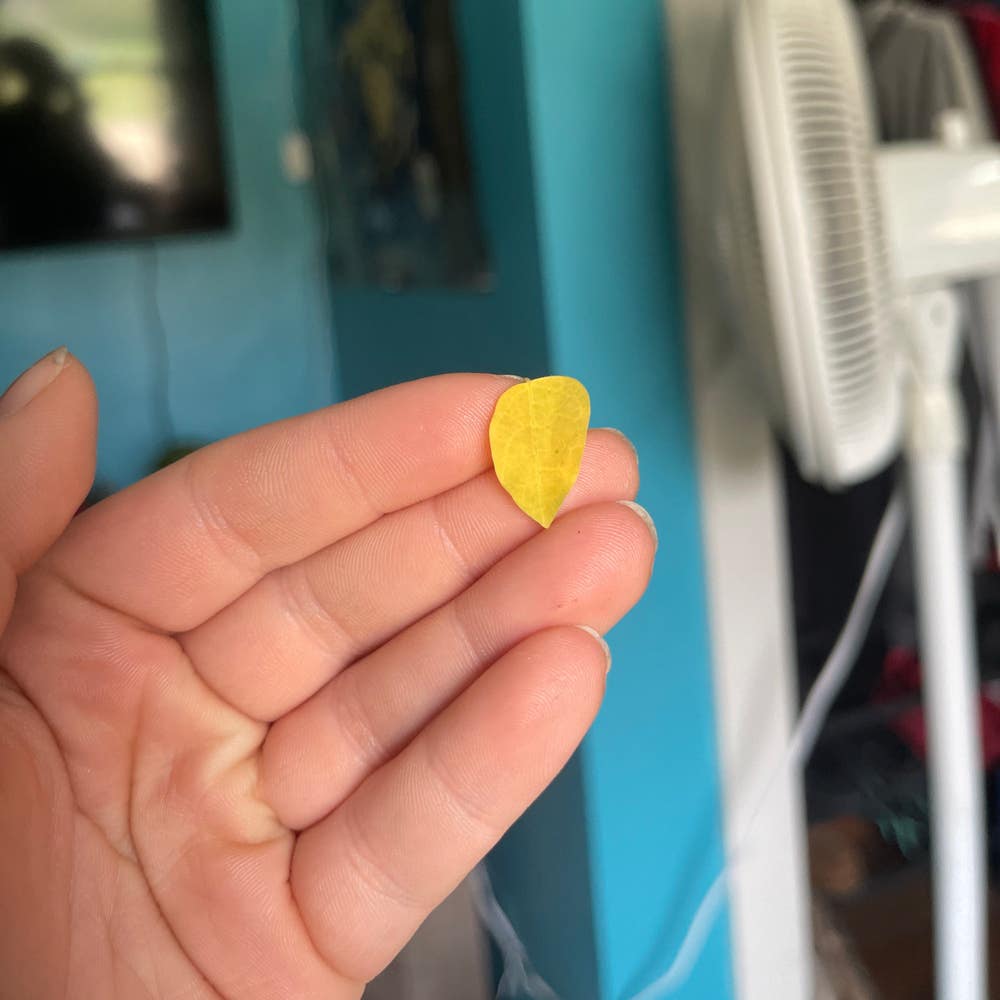
Wilting leaves can often be traced back to water stress. Overwatering is a common issue, leading to yellowing leaves and root rot, while underwatering results in dry, crispy leaves and drooping.
Maintaining consistent moisture levels is crucial for optimal growth. A balanced watering routine can help prevent these problems.
☀️ Heat Stress
High temperatures can also contribute to wilting. Prolonged exposure to temperatures above 30°C (86°F) can cause leaf curling, browning edges, and overall wilting.
Providing shade and maintaining humidity are essential strategies to combat heat stress. These measures can keep your star fruit thriving even in warmer conditions.
🦠 Disease-Related Wilting
While diseases can affect star fruit, they are less likely to be the primary cause of wilting. Common pathogens may lead to symptoms like yellowing, wilting, and leaf drop.
However, environmental factors often play a more significant role in wilting than diseases. It's essential to focus on your plant's environment before jumping to conclusions about pathogens.
Understanding these common causes can help you take proactive steps to keep your star fruit healthy. Next, we’ll explore how to diagnose wilting effectively.
Diagnosing Wilting
📝 Step-by-Step Guide
Diagnosing wilting in your star fruit begins with assessing your watering habits. Check the soil moisture levels to determine if you're over or underwatering.
Next, evaluate the environmental conditions. Temperature and humidity play crucial roles in your plant's health.
Inspect for pests or diseases by looking for signs of infestation or fungal growth. Early detection can save your plant from further damage.
Finally, examine the leaf condition. Note any color changes, texture differences, and the overall health of the leaves.
🔍 Signs to Look for
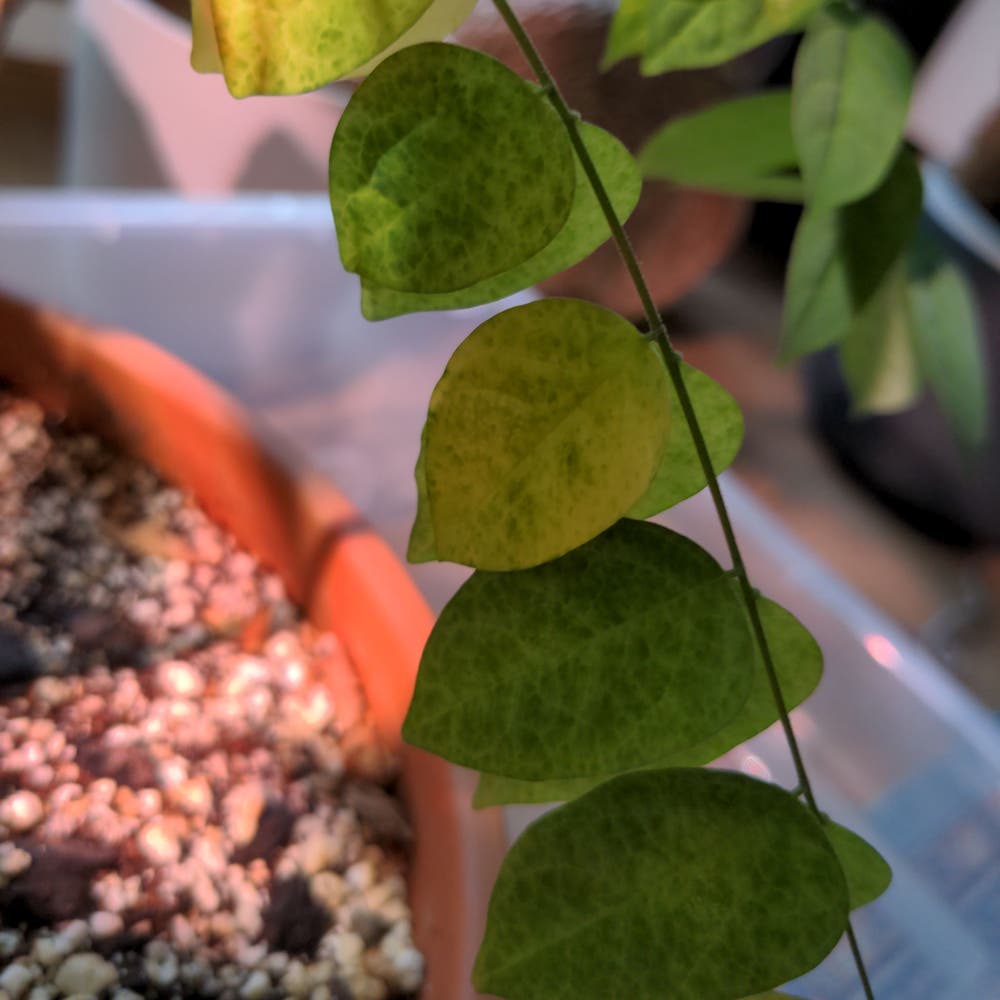
Pay attention to leaf color changes. Yellowing, browning, or darkening can indicate stress.
Leaf texture is another important clue. Look for crispy, mushy, or limp leaves that signal underlying issues.
Overall plant appearance matters too. Stunted growth or drooping branches can be signs that your star fruit needs immediate attention.
By following these steps, you can effectively diagnose the cause of wilting and take appropriate action. This proactive approach will help ensure your star fruit thrives in its environment.
Solutions for Wilting Leaves
🌊 Addressing Water Stress
Water stress is a common issue for star fruit plants.
For overwatering, improve drainage by ensuring pots have adequate holes. Reduce watering frequency and consider repotting if root rot is present.
Underwatering can also lead to wilting. Gradually increase watering to maintain consistent moisture without causing waterlogging.
☀️ Managing Heat Stress
Heat stress can severely affect your star fruit.
To combat this, provide shade during peak sunlight hours using shade cloth or by relocating the plant to a cooler spot.
Increasing humidity can also help; mist the leaves or use a humidity tray to create a more favorable environment.
🦠 Solutions for Disease-Related Wilting
While environmental factors are often the main culprits, diseases can also cause wilting.
Identify and treat any underlying diseases promptly. Use appropriate fungicides or organic treatments to tackle the issue effectively.
Removing affected leaves can prevent the spread of disease and encourage healthier growth.
By addressing these factors, you can help your star fruit thrive and recover from wilting. Next, let’s explore preventive measures to keep your plant healthy and vibrant.
Preventive Measures
Best Practices 🌱
Regularly monitoring soil moisture levels is crucial for your star fruit's health. Using a moisture meter can provide accurate readings, ensuring you avoid both overwatering and underwatering.
Implementing a consistent watering schedule is equally important. Adjust this schedule based on seasonal changes to keep your plant thriving year-round.
Environmental Considerations 🌡️
Your star fruit prefers a cozy temperature range between 20°C to 30°C (68°F to 86°F). Keeping it within this range helps prevent stress and promotes healthy growth.
Humidity plays a significant role too; aim to maintain levels above 50%. This creates a comfortable environment for your plant, reducing the risk of wilting.
Acclimatization is key when introducing your star fruit to new environments. Gradually adjusting its surroundings helps it adapt without shock, ensuring a smoother transition.
By following these preventive measures, you can significantly enhance your star fruit's resilience against wilting. Next, let’s explore effective solutions for reviving a wilted star fruit.
Reviving a Wilted Star Fruit
🌊 Techniques for Bottom Watering
Bottom watering is a simple yet effective method to revive your star fruit. Place the pot in a shallow tray of water for about 30 minutes to allow the soil to absorb moisture from the bottom.
This technique encourages deep root growth and helps prevent overwatering, which can lead to root rot. It’s a great way to ensure your plant gets the hydration it needs without drowning it.
🏡 Relocating the Plant Temporarily
If your star fruit is struggling, consider relocating it temporarily. Find a cooler, shaded area with adequate humidity to help it recover.
Monitor the plant for improvement before returning it to its original spot. This small change can make a big difference in its health.
✂️ Pruning Damaged Leaves
Pruning is essential for promoting new growth in a wilted star fruit. Use clean, sharp pruning shears to remove any wilted or damaged leaves.
This not only helps the plant focus its energy on healthy growth but also improves its overall appearance. A little trim can go a long way in revitalizing your plant.
Reviving a wilted star fruit requires a combination of techniques. By implementing these strategies, you can help your plant bounce back and thrive once again. Next, let’s explore when it’s time to seek professional help for your plant care challenges.
When to Seek Help
Signs That Professional Help is Needed 🆘
If your star fruit continues to wilt despite your best efforts, it might be time to call in the experts. Persistent wilting can indicate deeper issues that simple adjustments won't fix.
Look out for severe pest infestations or signs of disease spread. If you notice unusual spots on leaves or an influx of bugs, these are clear signals that professional intervention is necessary.
Resources 📚
Local nurseries can be a goldmine of information. They often have staff with expertise in tropical fruit care who can provide tailored advice for your specific situation.
Don’t hesitate to consult plant experts for more in-depth guidance. They can help diagnose problems that may not be immediately obvious.
Online communities are also a fantastic resource. Engaging with fellow plant enthusiasts can provide support, tips, and shared experiences that might just save your star fruit.
As you navigate the challenges of plant care, remember that seeking help is a sign of a dedicated gardener. Embrace the journey and keep your star fruit thriving!
⚠️ Safety First
This content is for general information and may contain errors, omissions, or outdated details. It is not medical, veterinary advice, or an endorsement of therapeutic claims.
Always consult a qualified healthcare professional before using any plant as food, medicine, or supplement.
Never eat any plant (or feed one to pets) without confirming its identity with at least two trusted sources.
If you suspect poisoning, call Poison Control (800) 222-1222, the Pet Poison Helpline (800) 213-6680, or your local emergency service immediately.
Spotted an error? Please report it here.
Revive your wilting star fruit and keep it thriving 🌟 with Greg's tailored watering alerts and environmental tips that ensure your plant stays happy and healthy!