🌟 Does My Star Fruit Need Direct Sunlight?
Averrhoa carambola
By the Greg Editorial Team
Jan 22, 2024•3 min read
This article was created with the help of AI so we can cover more plants for you. May contain errors. See one? Report it here.
Learn the sunny secret to a thriving Star Fruit—balance is key! 🌞🌱
- 🌞 Star Fruit loves direct sunlight, but moderation is key to avoid harm.
- Window direction matters for the right sunlight balance.
- Acclimate gradually to prevent sunburn and ensure a happy Star Fruit.
When Star Fruit Meets Direct Sunlight
🌞 Direct vs. Indirect Sunlight: A Kid-Friendly Explanation
Direct sunlight is like the sun giving your Star Fruit a high-five; it's intense and full-on. Indirect sunlight is more like a friendly nod from across the room—still noticeable, but not overwhelming.
🌟 Star Fruit's Sunlight Sweet Spot
Star Fruit does enjoy the limelight, but like a celebrity avoiding paparazzi, it doesn't want too much. Direct sunlight? Yes, but with a caveat. A few hours of direct sun can be beneficial, but too much and your Star Fruit might start to feel like it's baking in the oven.
Tailoring Sunlight to Your Star Fruit's Taste
🌞 Window Whys and Wherefores
Star Fruit, like a sunbather, has its preferences when it comes to light. The direction your window faces can make a big difference in how much sun your Star Fruit gets.
North-facing windows offer a milder, steady stream of light, while south-facing ones in the Northern Hemisphere are like a spotlight, providing the most intense rays. East-facing windows serve up a morning special of gentle light, and west-facing ones hit your plants with a strong afternoon sun tea that can be too much for some.
🌍 Hemisphere Hints
Your spot on the globe isn't just for bragging rights; it's a key factor in your Star Fruit's sun diet. In the Northern Hemisphere, south-facing windows are the VIP lounge of sunlight. Flip the Earth upside down to the Southern Hemisphere, and it's the north-facing windows that roll out the red carpet of bright light.
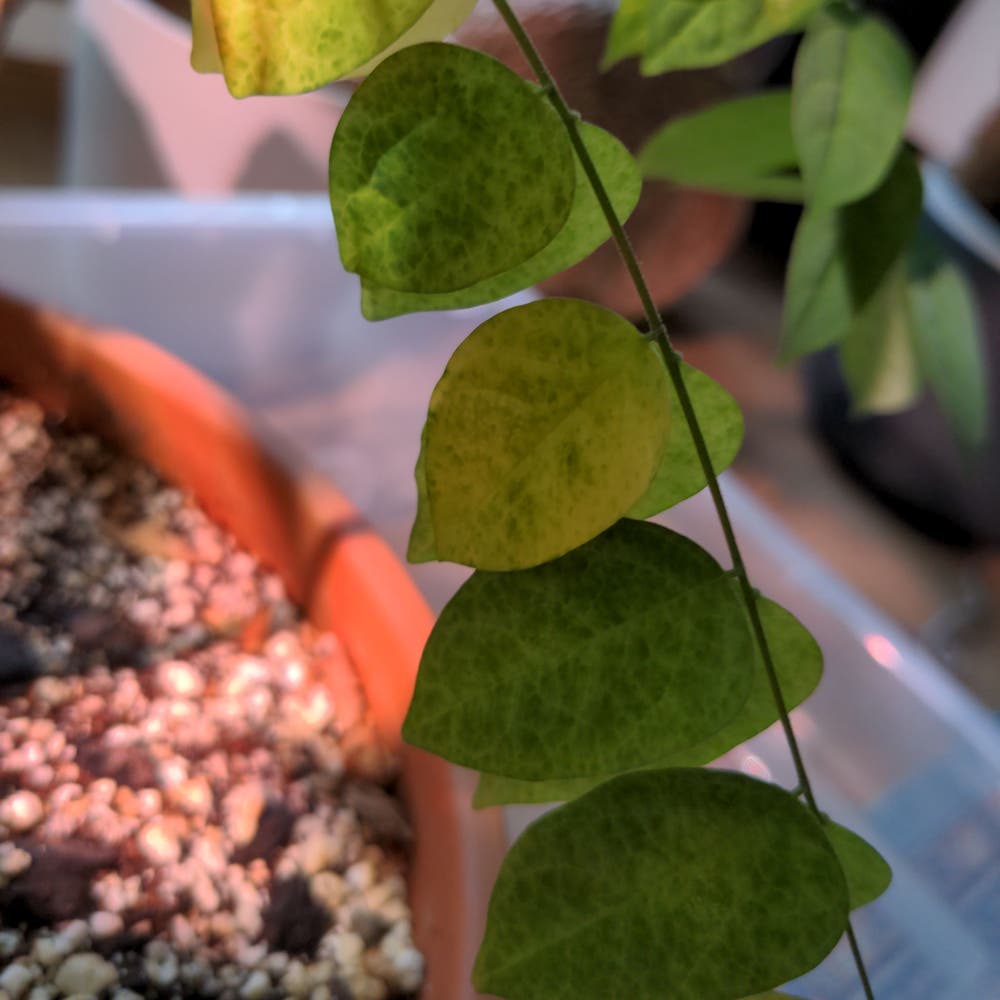
Remember, too much direct sun can lead to a sunburned Star Fruit, while too little can leave it languishing. It's about finding that sweet spot where your Star Fruit feels like it's on a perpetual tropical vacation, without the risk of overexposure.
Keeping Your Star Fruit Happy in the Sun
🌞 Acclimation: A Gentle Introduction to the Sun
Think of acclimating your Star Fruit to direct sunlight as a slow dance rather than a mosh pit. Start by placing your plant in a spot with mild morning sun and gradually increase its exposure over several weeks. This helps your Star Fruit build a tolerance to the sun's intensity without getting a sunburn, which in the plant world, is just as unpleasant as it is for us.
🕶️ Shade and Filtered Light: Sunlight on the Rocks
When the sun's rays are more intense than a double espresso, it's time to offer your Star Fruit some shade. Use a sheer curtain or place it behind other plants to create a dappled light effect. This filtered light is like sunscreen for your plant, protecting it from the harsh midday sun. Remember to rotate your Star Fruit regularly to ensure all sides receive an even tan, preventing the plant equivalent of a farmer's tan.
⚠️ Safety First
This content is for general information and may contain errors, omissions, or outdated details. It is not medical, veterinary advice, or an endorsement of therapeutic claims.
Always consult a qualified healthcare professional before using any plant as food, medicine, or supplement.
Never eat any plant (or feed one to pets) without confirming its identity with at least two trusted sources.
If you suspect poisoning, call Poison Control (800) 222-1222, the Pet Poison Helpline (800) 213-6680, or your local emergency service immediately.
Spotted an error? Please report it here.
Prevent your Star Fruit from sunburn or languish by leveraging Greg's PlantVision to tailor a perfect sunlight schedule ☀️ based on your window's direction.