🌟 My Star Fruit Leaves Are Turning Yellow. What Should I Do?
Averrhoa carambola
By the Greg Editorial Team
Jun 18, 2024•4 min read
This article was created with the help of AI so we can cover more plants for you. May contain errors. See one? Report it here.
Turn your Star Fruit's frown upside down 🌟 with these top tips for banishing yellow leaves!
- Nutrient deficiencies cause yellow leaves; test soil and fertilize accordingly.
- Overwatering leads to yellowing; establish a consistent watering routine.
- Combat pests and diseases with insecticidal soaps and proper watering practices.
Spotting the Culprits Behind Yellow Leaves
💡 Nutrient Shortfalls
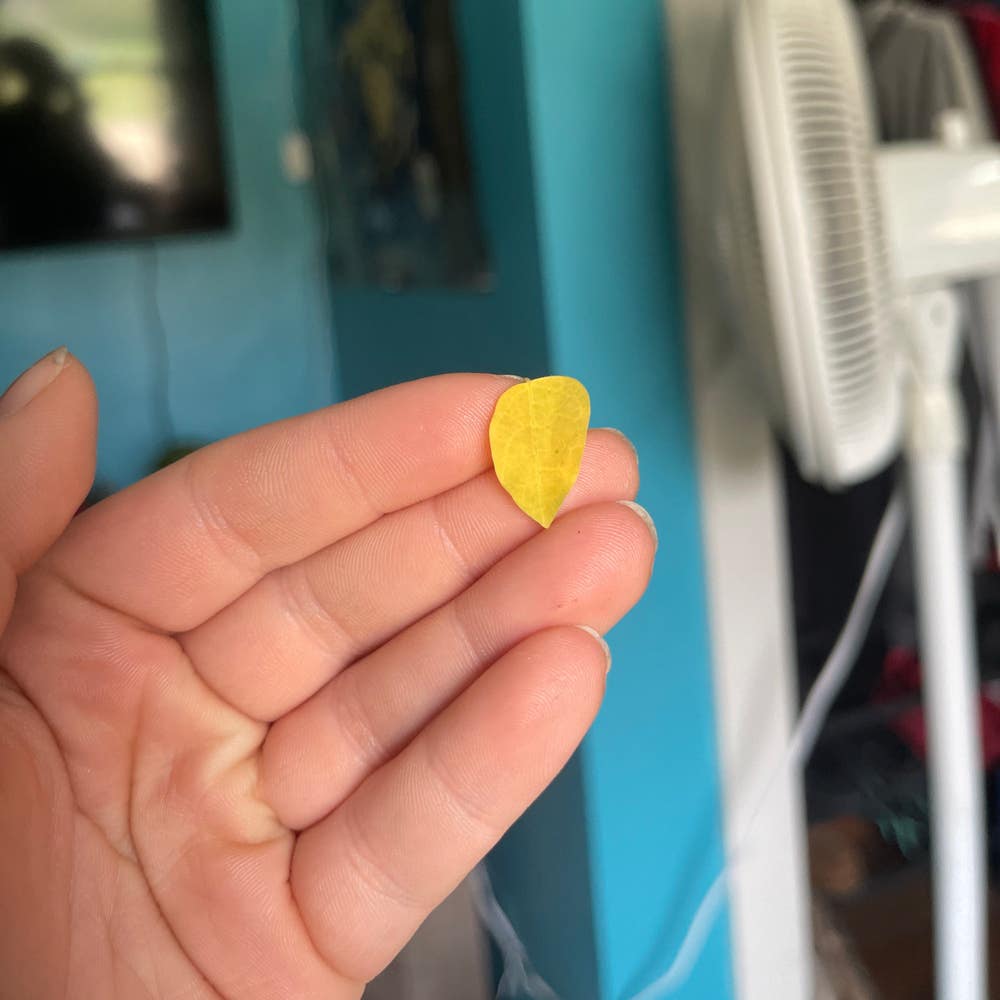
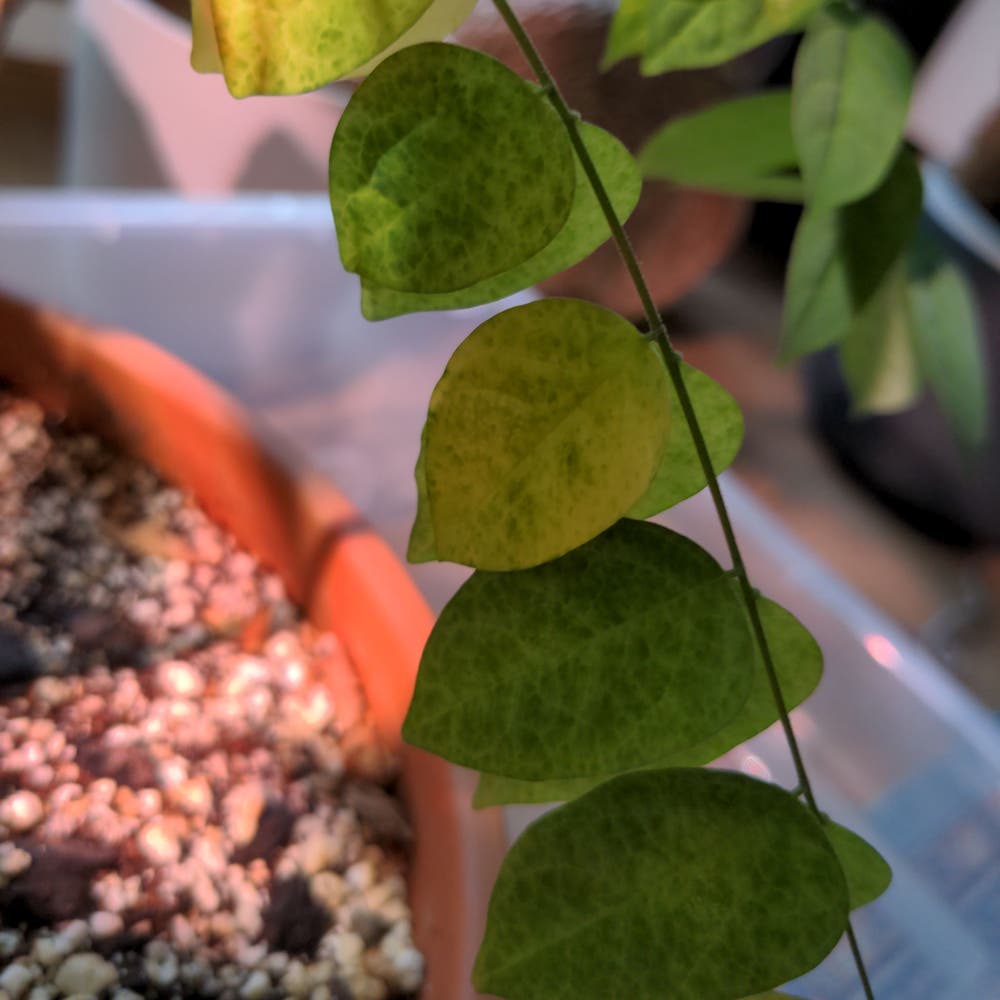
Yellowing leaves on your Star Fruit could be screaming for nutrients they're missing. Iron deficiency often leaves young foliage pale and wan, while magnesium shortage turns older leaves yellow with green veins. Potassium? It's subtle – look for yellowing at the tips and edges.
🚰 Too Much Water, Not Enough Drainage
Overwatering is like giving your plant a bath with no way to get out of the tub. If the soil feels more like a wet sponge than a moist crumbly cake, you've got drainage drama. Roots need to breathe, and without that, they'll send distress signals up the stem to the leaves.
🍽️ Unwanted Guests: Pests and Diseases
Pests and diseases are the party crashers no one invited. Mealybugs and spider mites are tiny but mighty, sucking the life and color out of leaves. Fungal foes like leaf spot disease love to tango in high humidity, leaving yellow halos as their calling card. Regular leaf inspections are your best defense.

Turning Over a New Leaf: Solutions for Yellowing
🌱 Feeding Your Star Fruit Right
Nutrient deficiencies can turn your Star Fruit's leaves as yellow as a school bus. To get them back to green, think of fertilizer as your plant's personal chef. Iron, magnesium, and potassium are the main courses. Test your soil to see what's missing, then serve up a balanced meal with a water-soluble fertilizer. Remember, more isn't always better; overfeeding leads to nutrient toxicity, and nobody wants that.
💧 Watering Wisdom
If your Star Fruit is swimming in water, it's time to adjust your watering habits. Consistency is your new mantra. Establish a routine that's as regular as your morning coffee. Make sure your plant's pot has drainage holes; they're the lifeline for excess water. Consider a moisture meter to keep soil moisture levels just right—think of it as a hydration tracker for your plant.
🐜 Kicking Out Pests and Diseases
Pests and diseases are the party poopers of the plant world. If you spot them, it's time to bring out the big guns. Insecticidal soaps and neem oil can help you bid bugs goodbye. For diseases, avoid overhead watering like it's a plot spoiler. Fungicides can be your ally, but always read the label. Prevention is the best medicine, so keep your plant's environment clean and monitor regularly for any signs of trouble.

Keeping the Green: Preventative Practices
💊 A Balanced Diet for Your Plant
Regular soil tests are like annual check-ups for your Star Fruit plant's health. They reveal what's missing in the soil's nutrient profile, allowing you to correct imbalances before they manifest as yellow leaves. Balanced fertilization is the key; it's about hitting that sweet spot where your plant gets all the nutrients it needs without tipping into excess. Slow-release fertilizers are the marathon runners of plant nutrition, providing a steady stream of goodness. Organic options, think compost or worm castings, are the soul food for your plant, enriching the soil with a smorgasbord of nutrients.
💧 Water Routines and Well-Draining Setups
Crafting a watering routine for your Star Fruit is less about sticking to a strict schedule and more about reading the room—or in this case, the soil. Water when the soil feels dry to the touch, not because the calendar says so. It's a Goldilocks scenario: not too much, not too little, just right. And let's talk about drainage—it's critical. Choose a soil mix that's as well-draining as a colander, and pots that don't hold a grudge, meaning they let excess water escape with ease. This way, you avoid the dreaded root rot, keeping your plant's feet dry and cozy.

⚠️ Safety First
This content is for general information and may contain errors, omissions, or outdated details. It is not medical, veterinary advice, or an endorsement of therapeutic claims.
Always consult a qualified healthcare professional before using any plant as food, medicine, or supplement.
Never eat any plant (or feed one to pets) without confirming its identity with at least two trusted sources.
If you suspect poisoning, call Poison Control (800) 222-1222, the Pet Poison Helpline (800) 213-6680, or your local emergency service immediately.
Spotted an error? Please report it here.
Banish yellow leaves and cultivate a vibrant star fruit tree 🌟 with Greg's tailored watering and fertilization reminders based on your plant's unique needs.