🌞 How Much Sunlight Does My Star Fruit Need?
Averrhoa carambola
By the Greg Editorial Team
Jan 21, 2024•5 min read
This article was created with the help of AI so we can cover more plants for you. May contain errors. See one? Report it here.
Nurture a thriving Star Fruit with the right sun recipe for fruitful success! 🌞🌟
- 🌞 6-8 hours of full sun daily ensures optimal Star Fruit growth.
- 🌱 Adjust plant position seasonally for consistent sun exposure.
- 💡 Use LED grow lights indoors to supplement natural light.
Soaking Up the Sun: Ideal Outdoor Conditions for Star Fruit
🌞 Finding the Perfect Spot
Star Fruit craves sunshine like a cat craves catnip. To ensure your plant thrives, locate a spot where it can bask in full sun for 6-8 hours daily, with morning sun being particularly beneficial. This early light dries dew from the leaves and warms the air, setting your Star Fruit up for a day of photosynthetic success.
Monitor the sun's path and adjust your plant's position with the changing seasons to maintain optimal exposure. Remember, the sun's trajectory isn't static, and what's a sun-soaked spot in June might be in the shadows come December.
🌡️ When the Heat is On
Midday sun can be a bit of a diva, often too intense for your Star Fruit. Protect your plant by providing some afternoon shade, especially in hotter climates. This can prevent leaf burn and reduce heat stress, ensuring your Star Fruit doesn't cook before it's even picked.
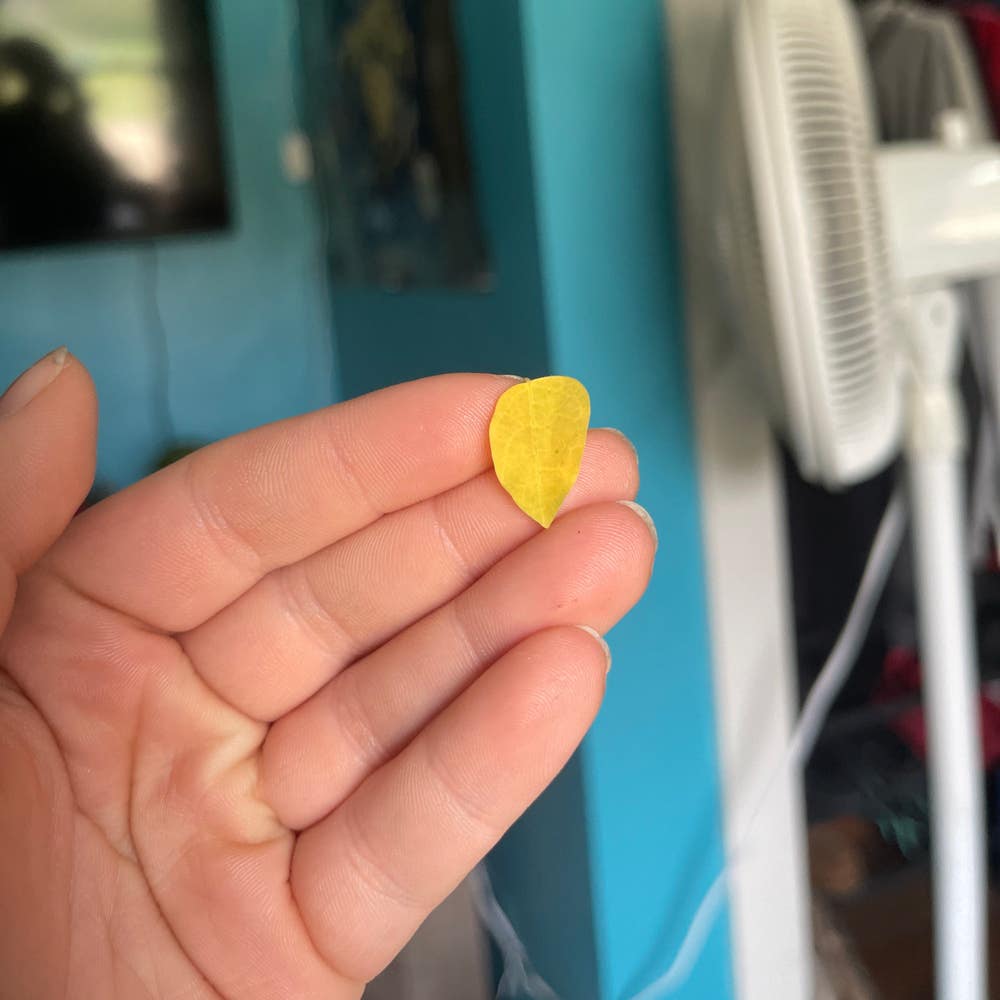
To strike the right balance, observe your plant for signs of sunburn—faded or crispy leaves—and act accordingly. If necessary, use a sheer curtain or strategically place taller plants to filter the harsh rays. It's like applying sunscreen to your plant: preventative care is key.
Bringing the Sunshine In: Indoor Star Fruit Light Needs
🌟 Window Wonders
Finding the best window for your Star Fruit plant is like picking the VIP section for its personal light show. South-facing windows are the golden ticket in the Northern Hemisphere, offering that full sun experience without the outdoor elements. If you're dealing with less than ideal window options, an east-facing window can be a decent understudy, providing a milder dose of brightness without the harsh midday glare.
Remember, the goal is to simulate the plant's natural habitat. Natural light cycles are crucial indoors, as they dictate your Star Fruit's internal rhythm. It's not just about daylight; it's about the right kind of light at the right times, keeping your plant's photosynthetic dance on beat.
🌍 Seasonal Shifts
As the earth tilts and turns, so too should your approach to indoor light exposure. When summer struts in, your Star Fruit might need a break from the spotlight to avoid a sunburn. A sheer curtain can act as a sunscreen, diffusing the intensity while still keeping the vibe bright.
Come winter, the sun plays hard to get. This is when you might need to scoot your plant closer to the window or consider a grow light cameo to keep the performance alive.
Signs of inadequate light include a Star Fruit that's more lethargic than a teenager at dawn. Slow growth, leaves dropping like they're too tired to hang on—these are cries for more lumens. Adjust your setup accordingly, and watch for that green glow of gratitude.
Can Grow Lights Pick Up the Slack?
💡 Making the Case for Grow Lights
When your star fruit plant's leaves start reaching for more light like a desperate sunflower in a dark room, it's time to consider grow lights. Indoor growers take note: the sun’s vacation days during winter don't have to mean a productivity slump for your star fruit. LED grow lights are the MVPs here, offering a full spectrum of light to keep your plant photosynthesizing happily. They're particularly handy if your windowsill resembles a light-starved cavern more than a sunny alcove.
💡 Grow Light Shopping List
When shopping for grow lights, think of it as equipping your star fruit with a personal sun. Intensity and spectrum are the buzzwords. Look for lights that mimic the sun’s natural rays – LEDs are your best bet, being energy-efficient and long-lasting. Ensure they cover the red spectrum, crucial for fruiting. Adjustable settings? Yes, please. Your plant isn't static, and neither should your light be. A light that can change intensity or color spectrum is like a Swiss Army knife for plant care.
💡 Setting Up Your Grow Lights for Maximum Benefit
Positioning is everything. Too close and your plant might as well be sunbathing on the surface of the sun. Too far, and it's like trying to tan under a streetlamp. Keep lights within a foot of your star fruit to hit that sweet spot. And remember, timing is key – use a timer to replicate natural daylight cycles, because your plant's internal clock is as punctual as a Swiss train conductor. Keep an eye on your plant's reaction; if it starts to look like it's wearing a sunburn, dial back the intensity. If it's still stretching out like it's trying to grab your attention, it might need more light love.
Light and Flowering: A Quick Peek
In the realm of Star Fruit cultivation, sunlight is not just a mere requirement; it's the maestro of the flowering symphony.
🌞 The Sunlit Path to Blooms
Consistent, full sun exposure is the secret sauce for those coveted Star Fruit flowers. It's a straightforward formula: more sun equals more flowers. Aim for that golden spot where the rays are abundant but not scorching.
🕵️ The Telltale Signs
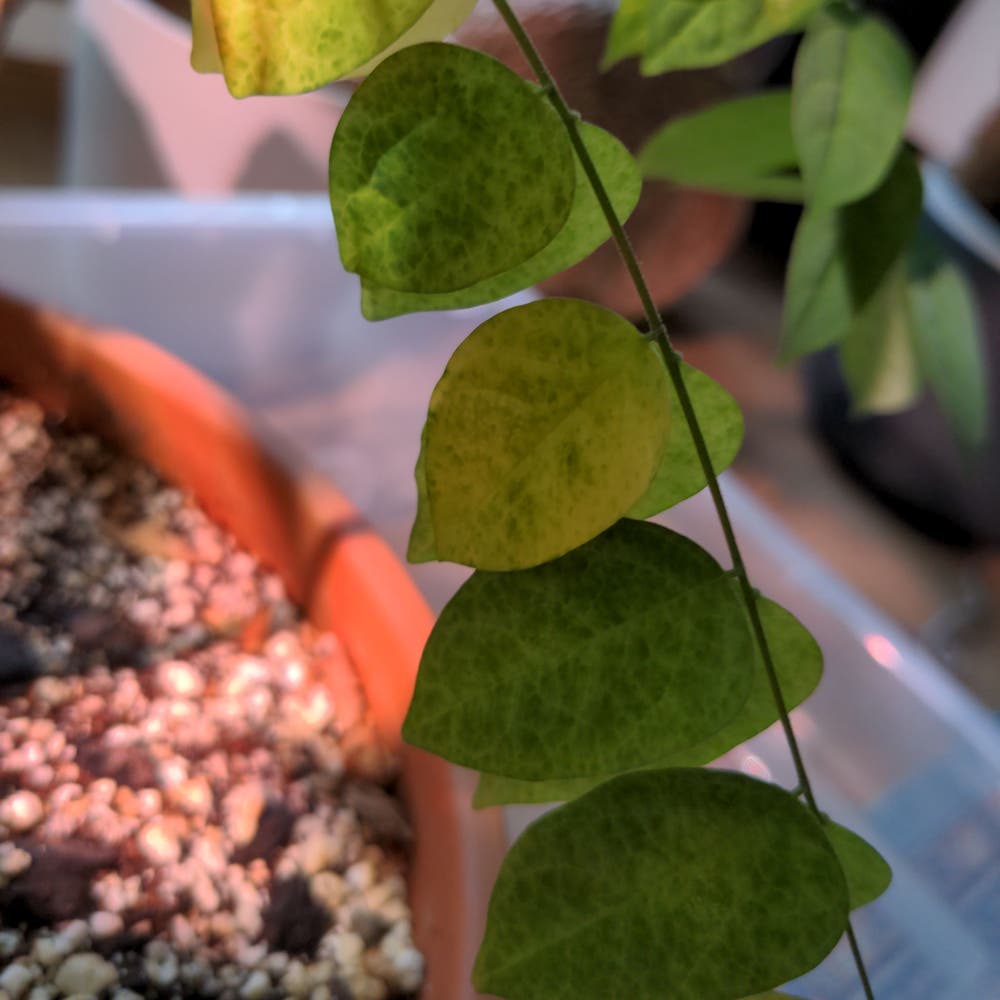
Watch your plant like a hawk. Pale leaves? Your Star Fruit is begging for more light. Crispy edges? It's pleading for a break. Adjust your plant's position with the finesse of a sunflower turning to face the light, and you'll be rewarded with buds that pop.
💡 Indoor Star Fruit Flowering
Indoors, your Star Fruit still craves that solar embrace. If natural light is playing hard to get, grow lights can step in as a worthy understudy, ensuring your plant doesn't miss its cue to bloom.
🤸 The Light Balance Beam
It's a tightrope walk between too much and too little light. Get it right, and your Star Fruit will not only flower but will do so with the gusto of a plant that's found its happy place in the sun.
⚠️ Safety First
This content is for general information and may contain errors, omissions, or outdated details. It is not medical, veterinary advice, or an endorsement of therapeutic claims.
Always consult a qualified healthcare professional before using any plant as food, medicine, or supplement.
Never eat any plant (or feed one to pets) without confirming its identity with at least two trusted sources.
If you suspect poisoning, call Poison Control (800) 222-1222, the Pet Poison Helpline (800) 213-6680, or your local emergency service immediately.
Spotted an error? Please report it here.
Nurture a thriving Star Fruit with just the right sun-kissed glow by letting Greg track its light needs and remind you when to adjust for seasonal shifts. 🌞