Best Ways to Protect Queen Palm from Frost ❄️
Syagrus romanzoffiana
By the Greg Editorial Team
Sep 30, 2024•4 min read
This article was created with the help of AI so we can cover more plants for you. May contain errors. See one? Report it here.
Keep your Queen Palm thriving through winter frost with these essential protection tips! 🌨️🌱
- ❄️ Proactive frost protection is vital for your Queen Palm's health and survival.
- 🌡️ Use frost cloths and outdoor lights to retain heat and prevent frost damage.
- 🌱 Monitor soil moisture and acclimate your palm to ensure optimal growth indoors.
Frost Protection Strategies
🌨️ Methods for Protecting from Frost
Proactive measures are essential to prevent frost damage to your Queen Palm. Implementing effective frost protection techniques can save your plant from severe cold stress.
One of the simplest methods is covering your palm with frost cloths or blankets. These materials act as a barrier against the cold, helping to retain heat around the plant.
Another effective strategy is utilizing heat sources, such as outdoor lights. These can raise the temperature in the immediate vicinity, providing extra warmth during chilly nights.
🛌 Use of Frost Cloths and Blankets
When selecting materials for frost protection, consider lightweight frost cloths versus heavier blankets. Lightweight cloths are easier to handle, while heavier blankets offer more insulation.
Proper covering techniques are crucial for effectiveness. Ensure that the coverage extends to the ground to trap heat effectively, and avoid direct contact with the fronds to prevent damage.
🌍 Importance of Location and Microclimates
Identifying microclimates in your garden can significantly enhance frost protection. Look for areas with natural windbreaks or those that receive southern exposure, as these spots tend to be warmer.
Strategic placement of your Queen Palm is vital. Avoid low-lying areas where cold air tends to accumulate, as this can increase the risk of frost damage.
By combining these strategies, you can create a robust defense against frost, ensuring your Queen Palm thrives even in colder months. Next, let’s explore how to adjust your watering and fertilizing practices during winter.
Watering and Fertilizing Adjustments
🌨️ Adjusting Watering Schedule During Winter
Monitoring soil moisture is crucial during winter. With reduced evaporation rates in cooler temperatures, your Queen Palm needs less water than in warmer months.
To keep your palm healthy, water less frequently. Allow the soil to dry out between sessions, ensuring the roots don’t sit in soggy conditions.
🌱 Fertilizing Practices for Winter
When it comes to fertilizing during dormancy, less is more. Avoid heavy fertilization; instead, opt for a diluted, balanced fertilizer to support your palm without overwhelming it.
Timing is key for effective fertilization. Apply your chosen fertilizer in late winter to prepare your Queen Palm for the vibrant growth of spring.
As you adjust your watering and fertilizing practices, remember that these small changes can make a significant impact on your palm's health. Transitioning to the next section, let’s explore how to care for your palm indoors when temperatures drop.
Indoor Care
Transitioning Indoors 🌱
As temperatures dip below 30°F (-1°C), it's crucial to bring your Queen Palm indoors. Watch for signs like drooping leaves or browning fronds, which indicate that the plant is struggling with the cold.
To ensure a smooth transition, gradually acclimatize your palm to indoor conditions. This helps minimize shock and promotes healthier growth. Before moving it inside, inspect for pests to prevent any unwanted guests from hitching a ride.
Ideal Indoor Conditions 🌞
Once indoors, aim for a temperature range of 65°F to 75°F (18°C to 24°C). This range mimics the palm's natural habitat, allowing it to thrive.
Humidity is another key factor. Maintain levels above 50% using humidifiers or pebble trays filled with water. This helps keep your palm hydrated and happy.
Lighting is equally important. Provide bright, indirect light while avoiding direct sunlight, which can scorch the leaves. With these conditions met, your Queen Palm will flourish indoors, ready to greet the warmer months ahead.
Transitioning your palm indoors is just the first step; ensuring it thrives in its new environment is essential for its health and growth.
Spring Preparation and Recovery
🌨️ Signs of Winter Damage
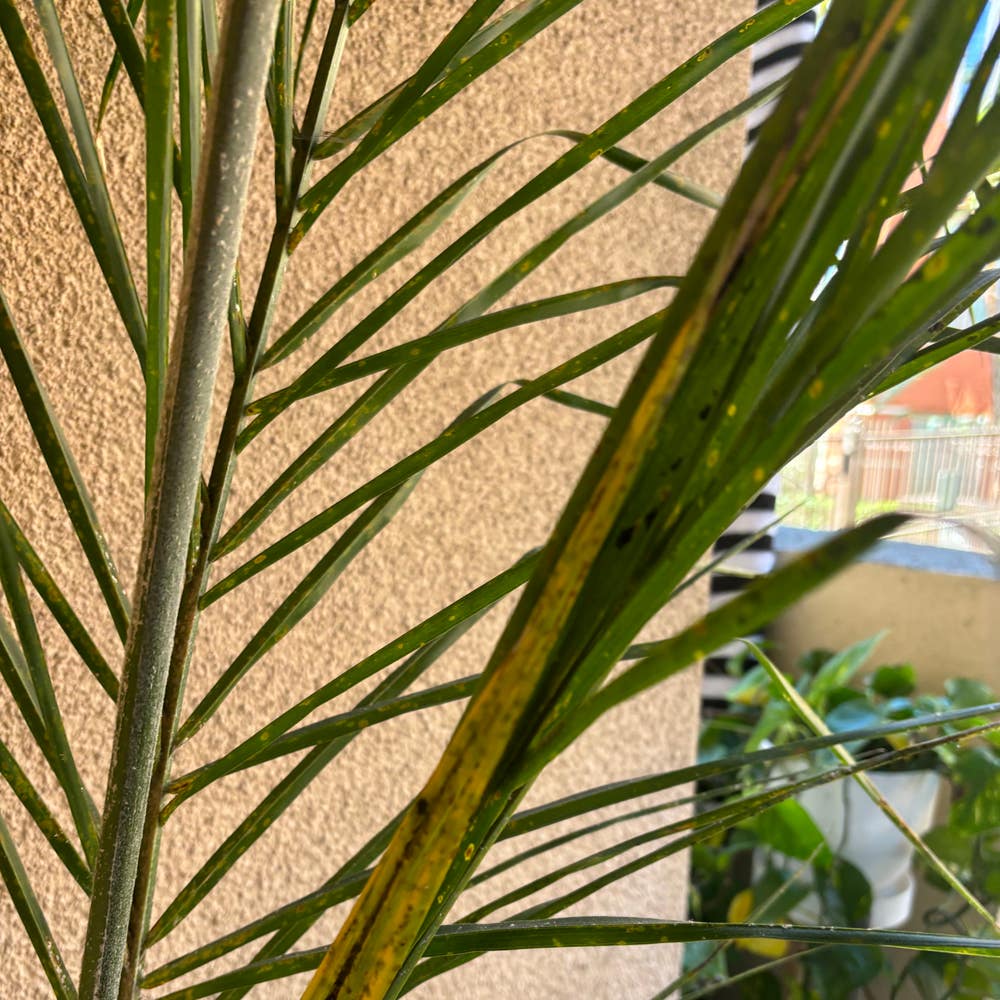
As winter fades, it's crucial to assess your Queen Palm for signs of frostbite and cold stress. Look for brown, crispy fronds and drooping leaves, which indicate that your palm has suffered during the colder months.
Additionally, check the overall health of the plant. Root rot can occur if the soil has been too wet, so inspect the roots for any signs of decay.
🌱 Steps for Recovery and Rejuvenation
Once you've identified damage, it's time to take action. Start by pruning away any dead or severely damaged fronds; this encourages new growth and helps the plant focus its energy on healthier parts.
Next, adjust your fertilization and watering practices. As temperatures rise, resume regular watering and fertilization schedules to support your palm's recovery.
🌞 Preparing for the Growing Season
Understanding your palm's temperature tolerance is vital for its health. Familiarize yourself with hardiness zones 9-11 to ensure your Queen Palm thrives in your specific climate.
Implement a spring care routine that includes regular inspections for pests and diseases. Gradually reintroduce your palm to outdoor conditions, allowing it to acclimate to the warmer temperatures.
With these steps, your Queen Palm will be well on its way to a vibrant growing season. Transitioning from winter care to spring rejuvenation sets the stage for a healthy, flourishing plant.
⚠️ Safety First
This content is for general information and may contain errors, omissions, or outdated details. It is not medical, veterinary advice, or an endorsement of therapeutic claims.
Always consult a qualified healthcare professional before using any plant as food, medicine, or supplement.
Never eat any plant (or feed one to pets) without confirming its identity with at least two trusted sources.
If you suspect poisoning, call Poison Control (800) 222-1222, the Pet Poison Helpline (800) 213-6680, or your local emergency service immediately.
Spotted an error? Please report it here.
Keep your Queen Palm frost-free ❄️ this winter with Greg's tailored care reminders and tips that ensure your palm stays healthy and happy!