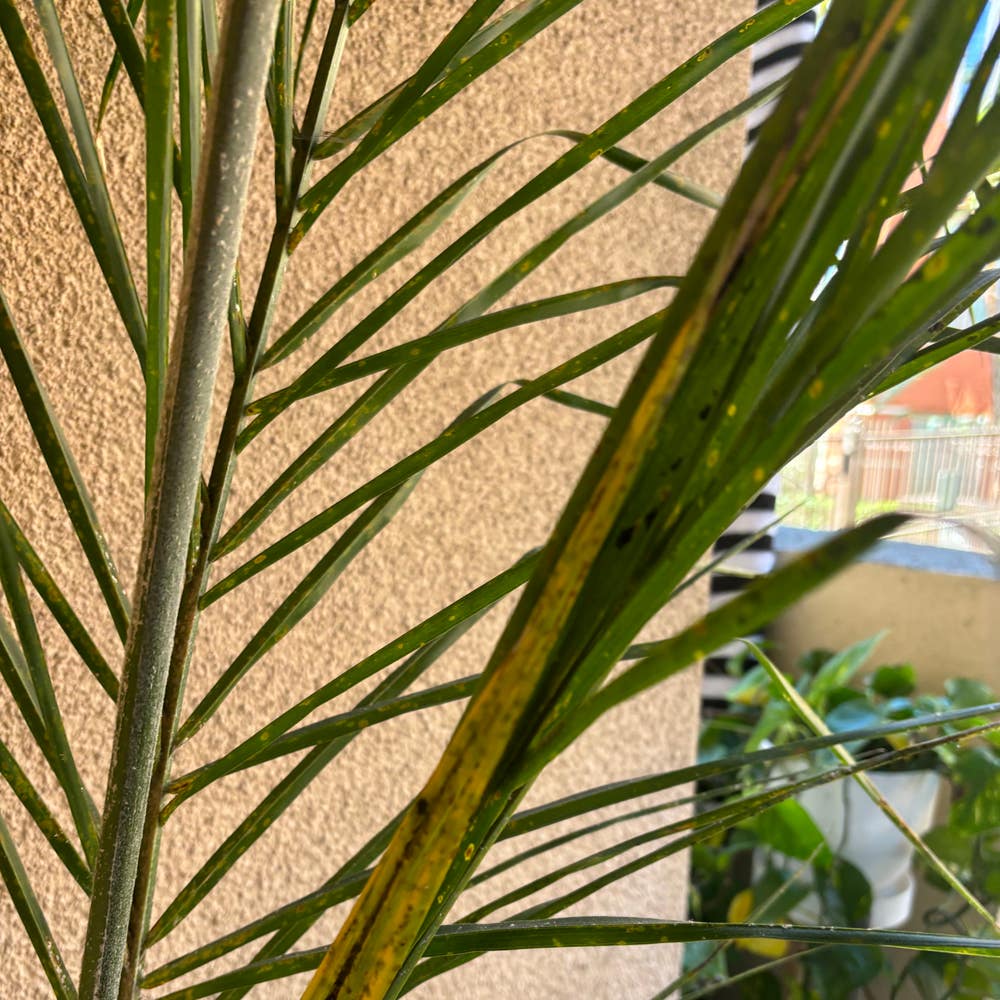
How Should Queen Palm Be Cut Back?
Syagrus romanzoffiana
By the Greg Editorial Team
Jun 18, 2024•3 min read
This article was created with the help of AI so we can cover more plants for you. May contain errors. See one? Report it here.
Achieve a regal garden with timely Queen Palm pruning tips that ensure its royal flourish. 👑🌴
- Prune in spring to align with the Queen Palm's growth cycle.
- Use sharp, sterilized tools for healthy cuts and disease prevention.
- Safely remove only brown fronds and seed pods, preserving the crown.
Best Time to Prune: Syncing with the Queen Palm's Clock
⏰ Seasonal Timing
Pruning your Queen Palm? Timing is key. The sweet spot is in the spring, just as the palm wakes up from its restful winter. This is when it can heal quickly and push out new growth with gusto.
Growth Cycle Considerations
Understanding the Queen Palm's growth cycle can save you from a pruning faux pas. These palms flourish in the warm months, so avoid winter cuts that could leave them stunted. Late spring to early summer is your window of opportunity to prune without causing undue stress to your palm.

Pruning Like a Pro: Techniques and Tips
🛠️ Essential Tools for the Job
Pruning a Queen Palm isn't a grab-and-go affair. Quality tools are non-negotiable. You'll need sharp pruning shears for the smaller fronds, loppers to tackle the beefier branches, and a sturdy pole saw for the high-up bits. Keep them clean and sharp; a dull blade is a one-way ticket to Palmsville, and not the good kind.
👷 Safety First
Gear up! Gloves and safety goggles are your best friends. They'll keep your hands free from scrapes and your eyes safe from rogue palm debris. And remember, sterilize those tools with rubbing alcohol or a pine cleaner to prevent spreading diseases like a bad rumor.
📝 Step-by-Step Pruning Guide
Start low, work your way up. Remove only the fronds that are brown or hanging lower than the rest, like a disheveled tie on an otherwise crisp suit. Snip at the base, but never, ever, play barber with the crown. That's the palm's lifeline. Think of it as a haircut; you're just cleaning up the edges, not going for a buzz cut.
🌰 The Delicate Dance with Seed Pods
Seed pods can be a beast. They're heavy and can turn your garden into a slip 'n slide of mess. Remove them carefully, ensuring you don't turn your Queen Palm into a plucked chicken in the process. It's a delicate dance, one where the palm always leads.

When Fronds Go Rogue: Handling Damage and Disease
🚨 Spotting Trouble
Fronds waving the white flag? Brown spots, yellowing, or wilting are your Queen Palm crying out for help. Like a social media status update, these symptoms signal distress. Don't ignore the palm's plea; it's time to play plant detective.
🗑️ The Removal Process
Got mushy fronds? Scrape 'em out, but be gentle with the good stuff. Dead fronds pull away like a bad memory—no resistance. Spot a funky smell? Could be root rot; think of it as your palm's cry for an intervention. Regular check-ups prevent these issues from turning your Queen Palm into a garden eyesore.

Sculpting Beauty: Shaping Your Queen Palm
🌴 Thinning for Aesthetics
In the quest for a balanced silhouette, thinning is less about plant surgery and more about strategic snipping. Identify which fronds detract from your Queen Palm's natural grace. Those that are yellow, brown, or simply overcrowded can go. Remember, it's like editing a sentence; remove the superfluous to highlight the essential.
🎨 The Final Touches
Once the excess is cleared, step back—literally. Assess from various angles. The goal is a crown that doesn't dip below the 9:00 to 3:00 range on an imaginary clock face. Snip any outliers. Your Queen Palm should now stand with a poise that's both robust and refined, a testament to the subtle art of palm pruning.
⚠️ Safety First
This content is for general information and may contain errors, omissions, or outdated details. It is not medical, veterinary advice, or an endorsement of therapeutic claims.
Always consult a qualified healthcare professional before using any plant as food, medicine, or supplement.
Never eat any plant (or feed one to pets) without confirming its identity with at least two trusted sources.
If you suspect poisoning, call Poison Control (800) 222-1222, the Pet Poison Helpline (800) 213-6680, or your local emergency service immediately.
Spotted an error? Please report it here.
Prune your Queen Palm to its majestic best with spring's arrival, and rely on Greg for tailored pruning reminders 🌴 to keep it thriving without the guesswork.