Why Are My Queen Palm Leaves Falling Over?
Syagrus romanzoffiana
By the Greg Editorial Team
Jun 18, 2024•6 min read
This article was created with the help of AI so we can cover more plants for you. May contain errors. See one? Report it here.
Save your slouching Queen Palm 🌴 and keep its leaves lofty with these vital care secrets.
- Signs of distress: Droopy, yellowing leaves and brown spots indicate Queen Palm issues.
- Balance water and nutrients: Over/underwatering and lack of potassium or magnesium harm palms.
- Pest control is crucial: Regularly check for pests and use neem oil or insecticidal soap.
Spotting the Trouble: When Your Queen Palm's Leaves Bend and Break
🚨 Signs of Distress in Queen Palm Leaves
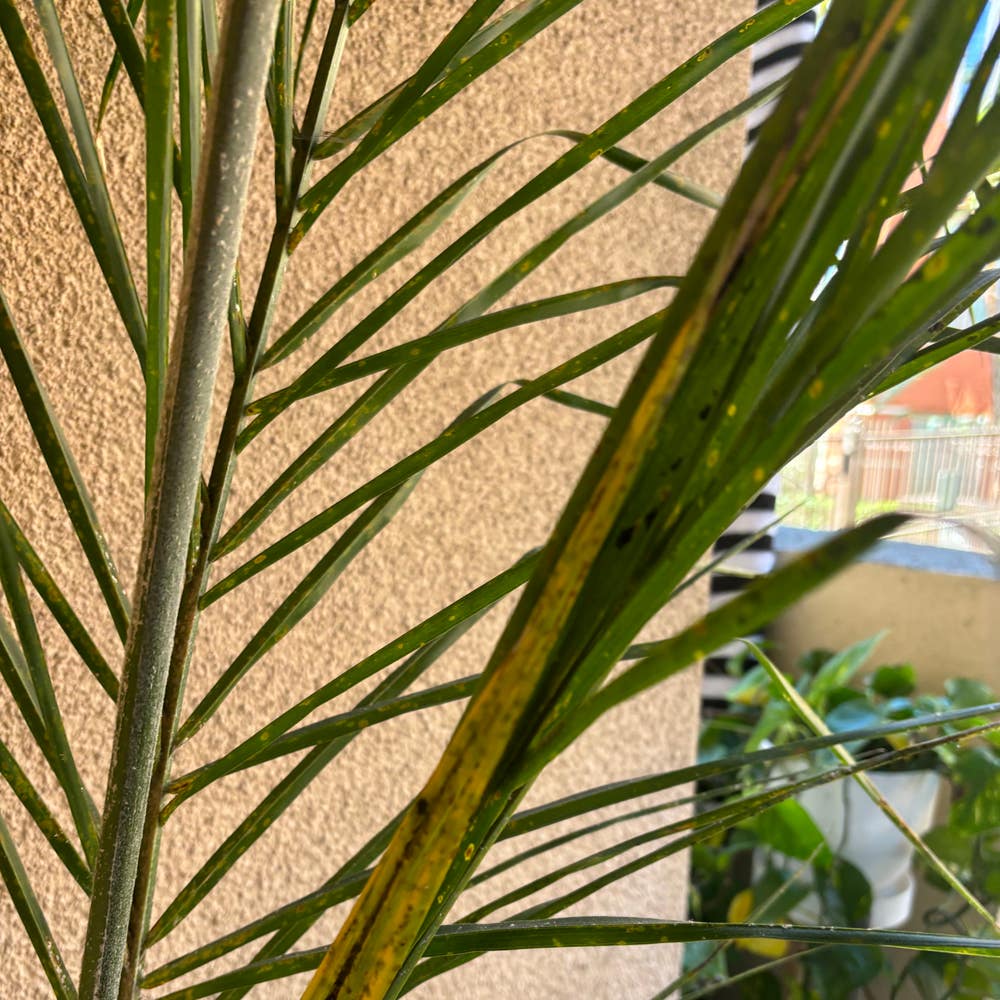
Queen Palm theatrics can be a real headache. If your palm's leaves are more droopy than a teenager on Monday morning, it's time to diagnose. Yellowing leaves may scream 'I need help!', while brown spots are the palm's version of an SOS. Check the fronds' posture; if they're slouching like they've given up on life, you've got a problem.
🔍 Quick Checks for Immediate Concerns
Before you panic, do a quick CSI: Plant Edition. Inspect for physical damage—it's the low-hanging fruit of palm problems. Next, scope out for pests that treat your palm like an all-you-can-eat buffet. Flip those fronds; bugs love a good underside hideout. Funky smells from the soil? Could be root rot gatecrashing the party. And don't forget the pot—it should have drainage holes and be just the right size, like your favorite pair of jeans.

Water Woes: Finding the Balance for Your Queen Palm
💦 Too Much of a Good Thing: Overwatering Hazards
Overwatering your Queen Palm can be like throwing a pool party without a lifeguard; it's all fun until someone starts to sink. The roots of your palm need to breathe, and too much water drowns them out, leading to a soggy mess and a droopy demeanor. Root rot is the uninvited guest here, and it will crash your palm's health party fast. To avoid this, water when the top inch of soil feels dry, not before. Think of it as a waiting game where patience is the key to victory.
🏜️ Thirsty Fronds: Underwatering Symptoms
On the other end, underwatering turns your Queen Palm into a drama queen with crispy leaves. It's a silent cry for hydration, and you need to listen up. Consistent soil moisture is the oasis in this desert scenario, but don't flood the zone. If the topsoil feels like a barren wasteland, it's time to bring the rain, but do it with a strategy. Water deeply and allow the soil to dry between sessions, ensuring your palm gets the drink it needs without the risk of waterlogging.

Feeding Finesse: Nutrients Your Queen Palm Craves
💪 The Potassium and Magnesium Magic
Potassium and magnesium are like the dynamic duo for your Queen Palm's health. Without enough of these key players, your palm's leaves might start throwing in the towel, showing off unsightly yellow spots or burnt-looking tips. To prevent this sad display, you'll want to get your hands on a fertilizer that boasts a good mix of these nutrients. Look for labels with a high K (potassium) value and don't skimp on the Mg (magnesium).
🌱 The Fertilizer Fix: What to Use and When
Choosing the right fertilizer isn't just about grabbing the shiniest bag at the garden center. Timing and composition are crucial. Go for a slow-release formula that's like a buffet of nutrients, offering a steady supply of the good stuff. A blend with a 12-4-12+4Mg ratio is a solid pick for your Queen Palm. Apply this palm-friendly feast during the growing seasons—spring through early fall—and ease up in the winter. Remember, overdoing it can be just as bad as neglect, so stick to the script on the package. And if you're dealing with a potted palm, consider a mild seaweed solution as a supplement. Keep an eye on your palm's performance and tweak your approach if it starts to look like it's losing its royal posture.

Bug Battles: Keeping Pests from Pushing Over Your Palm
🐛 Common Culprits in Queen Palm Plights
In the quest to maintain a regal Queen Palm, pests can be the unseen saboteurs. Scale insects cling to leaves like unwanted stickers, sucking the life out of your palm. They manifest as bumps on fronds and stems, a clear sign they've overstayed their welcome. Aphids and whiteflies are the stealthy ninjas of the bug world, small but with a mighty impact, leaving your palm's leaves yellowed and wilted. Spider mites are the drama queens, spinning fine webs and causing discoloration. And let's not forget the weevils, snout beetles with a penchant for palm destruction.
🛡️ Winning the War on Pests
To reclaim your palm's dignity from these pests, start with neem oil or insecticidal soap—think of it as arming your plant with a non-toxic shield. Make sure to hit the undersides of leaves, where these critters love to throw their covert parties. Embrace the role of a hawk-eyed guardian; regular check-ups are your best defense. If you introduce new plants to the area, remember they could be Trojan horses for pests—quarantine them first. Enhance airflow and light exposure; pests despise a well-ventilated, sun-kissed palm. And if you're feeling particularly eco-warrior, enlist the help of natural predators like ladybugs to keep the pest population in check. Just remember, after any treatment, monitor your palm closely. You want to evict the pests without sending your palm into a state of shock.
Shielding from Stress: Environmental Factors Affecting Your Queen Palm
⛈️ Weathering the Weather: Protecting from Extreme Elements
Queen Palms don't have the luxury of complaining about the weather, so it's up to you to shield them from Mother Nature's mood swings. Storms can be brutal, with winds turning fronds into whips. During these tempestuous times, strategic placement of windbreaks can save your palm from a lashing. When the mercury soars, your palm's thirst does too. Water deeply but don't drown the drama queen; soggy soil is as welcome as soggy fries.
🌴 Perfect Placement: Ensuring Ideal Growing Conditions
Finding the sweet spot for your Queen Palm is like picking the perfect seat in a movie theater. Too close and you're craning your neck; too far and you're squinting. Your palm craves that just-right balance of sunlight and shade, a Goldilocks zone if you will. Remember, these palms are Brazilian natives—they're used to the tropics, not the desert. So, mimic their home: keep them warm, but not baking; moist, but not waterlogged. And for the love of fronds, ensure the soil is rich in nutrients like manganese, without turning your garden into a chemistry lab.
⚠️ Safety First
This content is for general information and may contain errors, omissions, or outdated details. It is not medical, veterinary advice, or an endorsement of therapeutic claims.
Always consult a qualified healthcare professional before using any plant as food, medicine, or supplement.
Never eat any plant (or feed one to pets) without confirming its identity with at least two trusted sources.
If you suspect poisoning, call Poison Control (800) 222-1222, the Pet Poison Helpline (800) 213-6680, or your local emergency service immediately.
Spotted an error? Please report it here.
Ensure your Queen Palm thrives with balanced care 🌴, using Greg to pinpoint the ideal watering and nutrient schedule, keeping those fronds proudly aloft.