🌞 Is My Queen Palm Getting Too Much Direct Sunlight?
Syagrus romanzoffiana
By the Greg Editorial Team
Jun 18, 2024•4 min read
This article was created with the help of AI so we can cover more plants for you. May contain errors. See one? Report it here.
Learn to shield your Queen Palm from too much sun for a lush, tropical vibe at home! 🌴☀️
- 🌴 Queen Palms prefer bright, indirect light to prevent sunburn.
- Yellow leaves signal too much sun; brown tips mean immediate shade needed.
- East or North windows ideal for gentle, consistent light.
How Much Sun Does Your Queen Palm Crave?
🌞 Queen Palm's Sunlight Appetite
Queen Palms bask in the glory of sunlight, hailing from the sun-drenched tropics of Brazil. They're sun-worshippers, thriving in bright conditions that mimic their native, nutrient-rich rainforest habitats. Yet, they don't need to tan all day; indirect light will keep them happy without the risk of a sunburn.
Signs Your Queen Palm is Sun-Kissed or Sun-Scorched
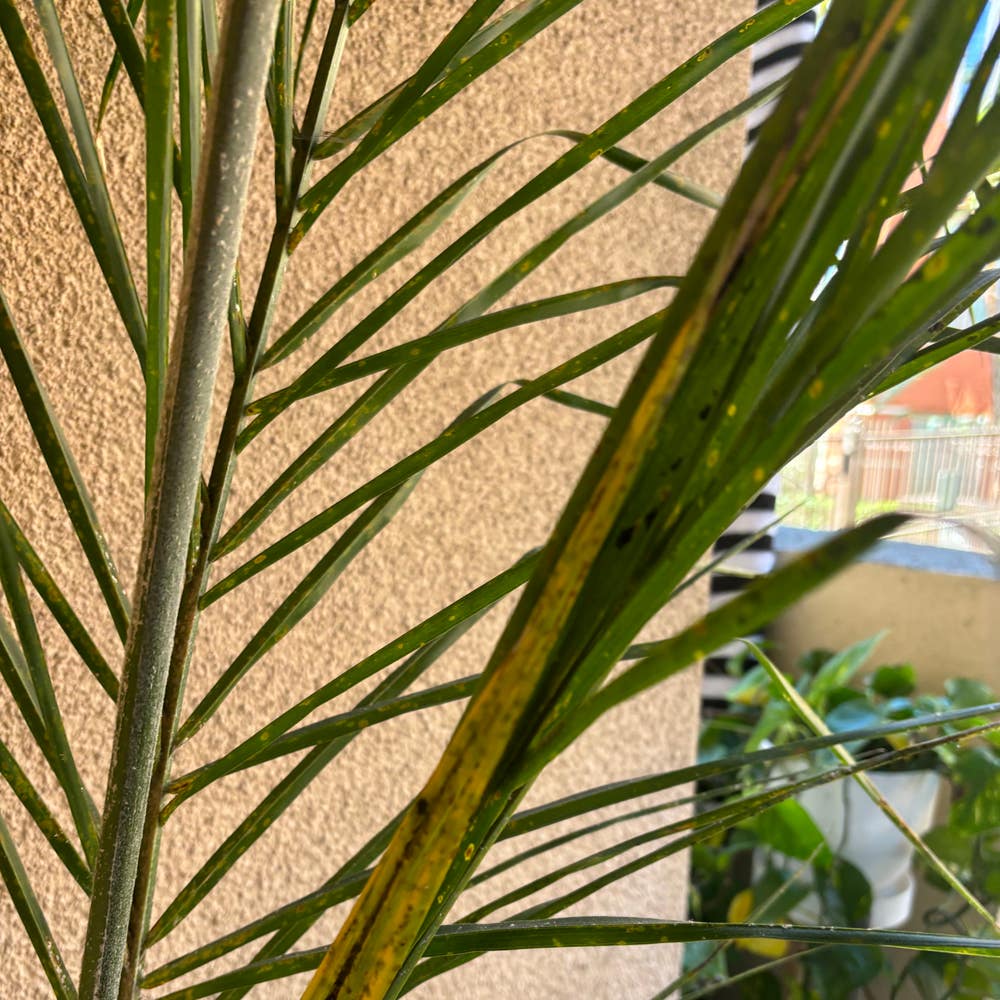
Yellowing leaves may signal your Queen Palm is soaking up too much sun, while sparse foliage suggests it's playing it too cool in the shade. A sun-kissed palm boasts a lush, green crown, but when scorched, the leaves can look like they've had a rough day at the beach. Keep an eye out for wilting—it's a cry for less sun and more shade.

The Sunny Side of the House: Where to Place Your Queen Palm
🌞 Window Direction Wisdom
Finding the optimal spot for your Queen Palm isn't just about aesthetics; it's about harnessing the right amount of sunlight. East-facing windows are your palm's best friend for that soft morning light. West-facing windows, on the other hand, can be too aggressive with the afternoon sun. North-facing windows offer a consistent, gentle light that won't overwhelm your tropical companion.
🌍 Hemisphere Hints
Your Queen Palm's sunbathing needs adjust with your address. In the Northern Hemisphere, south-facing windows are the VIP lounges of sunlight. If you're in the Southern Hemisphere, north-facing windows are the equivalent. Remember, it's not just about the quantity of sunlight but the quality and angle it hits your plant. Keep your palm's location dynamic, shifting with the seasons to ensure it gets the right amount of those golden rays.

When the Sun Hits Hard: Protecting Your Queen Palm
🚫 Recognizing the Red Flags of Too Much Sun
Queen Palms, like any royal, can get a bit too toasty under their crowns. Brown leaf tips or fronds are the monarchy's way of waving a white flag at excessive sunlight. If you spot crispy patches or discoloration, it's time to rethink your palm's sunbathing habits. Wilting or curled leaves are also tell-tale signs that your palm is crying out for some shade.
🌞 Sunburn and Your Queen Palm: Prevention and Care
To keep your Queen Palm from turning into a sun-scorched stick, watering in the early morning is key. This ensures the soil is moist as the day heats up. Shade cloth can be a palm's best friend during peak sun hours, acting as a sunscreen for those delicate fronds. And don't forget the roots; a layer of mulch can keep the soil temperature stable and retain moisture. If your palm does get sunburned, resist the urge to prune immediately. Give it time to recover and only remove dead or severely damaged fronds. Remember, prevention is better than cure, so keep an eye on the sunlight levels and adjust accordingly.

Tailoring Sunlight for Your Tropical Beauty
🌴 Acclimatizing Your Queen Palm to the Sun
Gradual introduction is key when acclimatizing your Queen Palm to sunlight. Start by placing your palm in a spot with filtered light and incrementally increase its exposure to direct sun over several weeks. This mimics the natural progression of the seasons, allowing your plant to adapt without stress.
🌞 Creating a Sun-Smart Environment
To manage your Queen Palm's sun exposure, think like a plant DJ. Use tools like shades or sheer curtains to diffuse harsh sunlight, especially during peak hours. Consider the use of light meters to monitor intensity and duration, ensuring your palm isn't getting too much of a good thing. On those scorching days, a temporary mesh net can act like a beach umbrella, providing a comfortable shield. Remember, it's not just about the quantity of light but the quality too. If natural light is scarce, don't be afraid to introduce artificial lighting to keep your palm grooving.
⚠️ Safety First
This content is for general information and may contain errors, omissions, or outdated details. It is not medical, veterinary advice, or an endorsement of therapeutic claims.
Always consult a qualified healthcare professional before using any plant as food, medicine, or supplement.
Never eat any plant (or feed one to pets) without confirming its identity with at least two trusted sources.
If you suspect poisoning, call Poison Control (800) 222-1222, the Pet Poison Helpline (800) 213-6680, or your local emergency service immediately.
Spotted an error? Please report it here.
Avoid the throne of thorns for your Queen Palm by letting Greg 🌞 monitor your home's sunlight, ensuring just the right amount of rays for a majestic growth.