👑 Queen Palm is an Invasive Plant
Syagrus romanzoffiana
By the Greg Editorial Team
Sep 30, 2024•7 min read
This article was created with the help of AI so we can cover more plants for you. May contain errors. See one? Report it here.
Join the fight for local ecosystems by mastering the invasive Queen Palm's impact and management! 🌴
- 🌱 Queen Palm is an invasive species, harming local ecosystems and reducing biodiversity.
- 🌿 It outcompetes native plants for resources, disrupting habitats and wildlife.
- ⚠️ Effective management includes removal and monitoring to protect native flora.
Plant Classification
🌱 Definition of Invasive Species and Weeds
Invasive species are non-native organisms that establish themselves in new environments, often causing harm to local ecosystems. Weeds, on the other hand, are plants that grow where they are not wanted, competing with cultivated plants for resources.
The key difference lies in their impact. While all invasive species can be considered weeds, not all weeds are invasive. Invasive species typically disrupt local flora and fauna, whereas native plants coexist harmoniously within their ecosystems.
📊 Criteria for Classification as Invasive
Rapid Spread
Queen Palm is notorious for its rapid proliferation. It can quickly adapt to new environments, allowing it to spread aggressively and dominate local landscapes.
Competitive Nature
This palm's competitive edge comes from its ability to outcompete native species for sunlight, water, and nutrients. Its robust growth can overshadow and choke out local flora, leading to significant ecological shifts.
Ecological Impact
The ecological consequences of Queen Palm's invasion are profound. It disrupts local ecosystems, reducing biodiversity and altering habitat structures, which can have cascading effects on wildlife and plant communities.
Understanding these characteristics is crucial for effective management and control of Queen Palm. By recognizing its invasive nature, we can take steps to protect native ecosystems and promote biodiversity.
Identification
Key Identifying Features 🌴
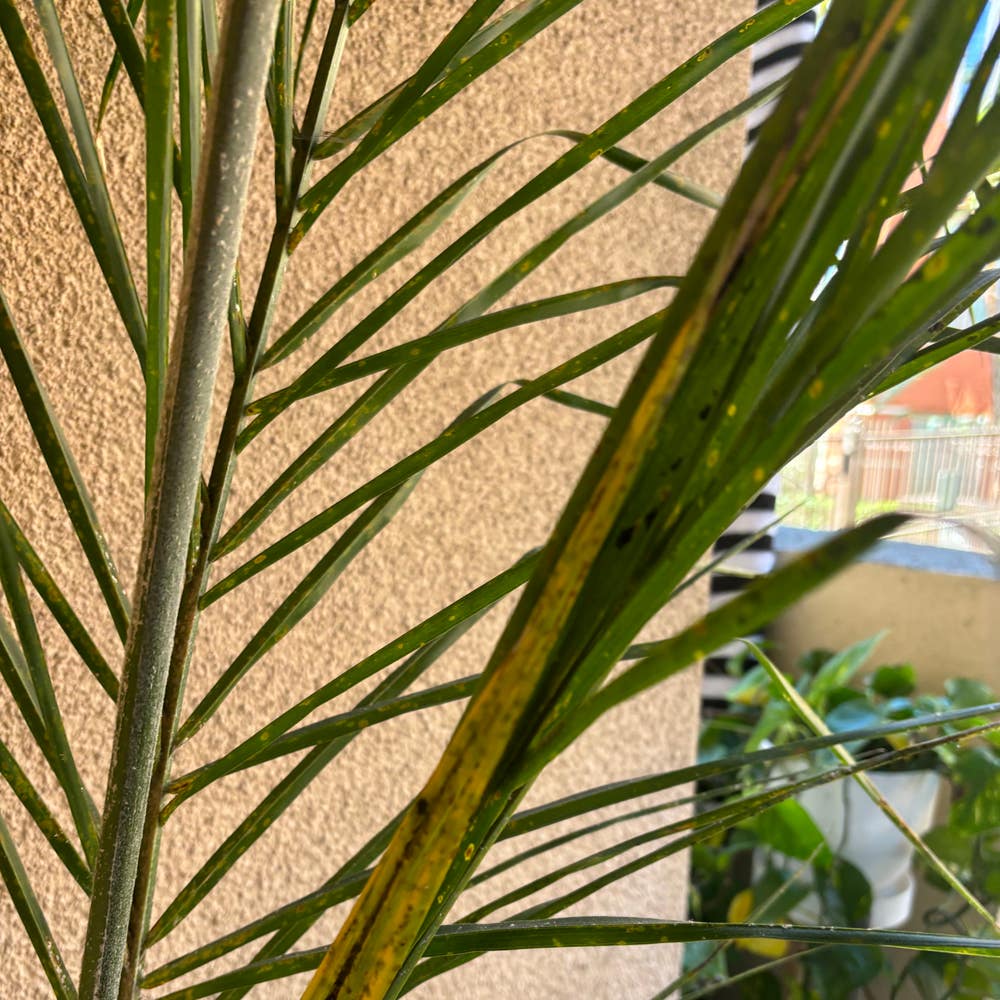
The Queen Palm is easily recognizable due to its tall, slender trunk, which can reach heights of up to 50 feet. Its feathery fronds, ranging from 5 to 10 feet in length, create a striking appearance that stands out in any landscape.
In addition to its impressive height and fronds, the Queen Palm produces clusters of small yellow flowers that eventually give way to round, black seeds. These features make it distinct, but they also contribute to its invasive nature.
Comparison with Look-Alike Plants 👀
When identifying the Queen Palm, it's essential to differentiate it from similar species, such as the Pygmy Date Palm. While both may share some characteristics, there are key differences to note.
The frond shape and size are significant indicators; Queen Palm fronds are longer and more feathery compared to the shorter, stubbier fronds of the Pygmy Date Palm. Additionally, the trunk of the Queen Palm is typically taller and more slender, making it easier to spot in a crowd of palms.
Understanding these identifying features will help you recognize the Queen Palm and its potential impact on local ecosystems. With this knowledge, you can better appreciate the importance of managing its spread.
Growth Habits and Spread
Typical Growth Patterns 🌱
The Queen Palm is a vigorous grower, capable of reaching heights of up to 3 feet per year under optimal conditions. With a lifespan typically ranging from 50 to 70 years, this palm can dominate landscapes for decades.
Reproductive Strategies and Seed Dispersal 🌬️
One of the most concerning aspects of the Queen Palm is its prolific seed production. Each year, it generates large quantities of seeds, which are easily dispersed by wind and animals, facilitating its spread into new areas.
Environmental Conditions that Favor Its Spread ☀️
Queen Palms thrive in well-drained soils but are remarkably adaptable to various soil types. They prefer warm, humid climates, making tropical and subtropical regions ideal for their growth and proliferation.
Understanding these growth habits and environmental preferences is crucial for managing the spread of Queen Palms. With their rapid growth and reproductive strategies, they pose a significant threat to native ecosystems, making awareness and action essential.
Ecological Impact
🌱 Effects on Native Plant Communities
Queen Palm aggressively competes for resources, overshadowing native flora. This competition can lead to significant biodiversity loss, as native plants struggle to survive in the presence of this invasive species.
🦉 Impact on Wildlife and Biodiversity
The presence of Queen Palm alters local habitats, affecting the fauna that rely on native plants for food and shelter. As these native species decline, wildlife may be displaced, disrupting established ecosystems.
🌊 Influence on Soil and Water Resources
Queen Palm contributes to soil degradation by changing soil composition and nutrient availability. Additionally, its high water consumption can strain local water resources, impacting hydrology and the overall health of the ecosystem.
The ecological ramifications of Queen Palm are profound, emphasizing the need for awareness and action. Understanding these impacts is crucial as we move towards effective management strategies.
Control and Management
🧤 Manual Removal Techniques
Removing Queen Palm can be a hands-on approach to managing this invasive species.
- Identify the area of infestation. Look for clusters of Queen Palms that may be spreading.
- Use appropriate tools. Equip yourself with a spade and gloves to protect your hands.
- Remove the entire root system. This step is crucial to prevent regrowth and ensure long-term control.
⚗️ Chemical Control Options and Safety Considerations
Chemical control can be effective against Queen Palm, but it requires caution.
Herbicides containing glyphosate or triclopyr are often recommended for this purpose. Always follow the manufacturer's instructions for application rates and timing.
Safety precautions are essential. Wear protective clothing, including gloves and goggles, to minimize exposure. Avoid applying chemicals on windy days to prevent drift onto non-target plants.
🦠 Biological Control Methods and Effectiveness
Biological control methods are still being explored for Queen Palm management.
Potential agents include specific insects or pathogens that target the palm without harming native species. However, the effectiveness of these methods can vary, and research is ongoing.
Limitations exist, as biological controls may take time to establish and may not provide immediate results.
🚫 Preventive Measures to Limit Spread
Preventing the spread of Queen Palm is key to managing its impact.
Strategies include regularly monitoring your garden and promptly removing any seedlings. Additionally, maintaining healthy native plant communities can help outcompete invasive species.
Healthy ecosystems are less susceptible to invasives, so consider planting native species that thrive in your area.
⏰ Importance of Early Detection and Rapid Response
Timely action is critical when dealing with Queen Palm infestations.
Early detection allows for more effective management and reduces the chances of widespread establishment. Utilize tools like mobile apps or local resources for monitoring and reporting sightings.
Being proactive not only protects your landscape but also contributes to the overall health of local ecosystems.
In the next section, we will explore the legal status surrounding Queen Palm and the implications for gardeners and land managers.
Legal Status
📜 Laws and Regulations
Understanding the legal landscape surrounding Queen Palm is crucial for gardeners and land managers. Many local and national regulations classify Queen Palm as an invasive species, which means there are specific guidelines governing its cultivation and removal.
These regulations often aim to protect native ecosystems from the adverse effects of invasive plants. Gardeners should familiarize themselves with these laws to avoid unintentional violations that could lead to fines or other penalties.
⚖️ Requirements for Removal or Control
In areas where Queen Palm poses a significant threat, specific removal guidelines are in place. These may include mandatory reporting of infestations and protocols for safe removal to prevent further spread.
Non-compliance with these regulations can result in serious consequences, including legal action or fines. It's essential for land managers to stay informed and proactive in managing Queen Palm to protect local biodiversity effectively.
By understanding the legal implications, you can contribute to a healthier ecosystem while ensuring compliance with regulations. This awareness sets the stage for more effective control and management strategies, which we will explore next.
Potential Benefits or Uses
🌴 Historical and Current Uses
Queen Palm has found its way into landscaping due to its tall, slender trunk and feathery fronds, making it a popular choice for tropical aesthetics. In some cultures, these palms are valued for their ornamental appeal, often gracing parks and residential areas.
However, while they may enhance visual landscapes, it's crucial to remember their invasive nature. Their rapid growth and ability to outcompete native flora often lead to ecological imbalances.
⚠️ Emphasis on Negative Impacts
The negative ecological and economic impacts of Queen Palm far outweigh any potential benefits. They disrupt local ecosystems, reduce biodiversity, and can even lead to the decline of native species.
In the grand scheme, the allure of Queen Palm as a decorative plant pales in comparison to the harm it inflicts on the environment. Understanding this is vital for responsible gardening and land management practices.
⚠️ Safety First
This content is for general information and may contain errors, omissions, or outdated details. It is not medical, veterinary advice, or an endorsement of therapeutic claims.
Always consult a qualified healthcare professional before using any plant as food, medicine, or supplement.
Never eat any plant (or feed one to pets) without confirming its identity with at least two trusted sources.
If you suspect poisoning, call Poison Control (800) 222-1222, the Pet Poison Helpline (800) 213-6680, or your local emergency service immediately.
Spotted an error? Please report it here.
Recognizing the invasive Queen Palm 🌴 is vital for safeguarding local ecosystems, and with Greg's plant identification tool, you can swiftly manage this species and help restore biodiversity in your area!