Why Are My Queen Palm Leaves Curling?
Syagrus romanzoffiana
By the Greg Editorial Team
Jun 18, 2024•4 min read
This article was created with the help of AI so we can cover more plants for you. May contain errors. See one? Report it here.
Unravel the mystery of curling Queen Palm leaves 🌴 and reclaim your plant's majestic beauty!
- 🌴 Curling leaves signal Queen Palm distress; act quickly by checking soil moisture.
- Sun, wind, and watering mistakes can all lead to leaf curling.
- Nutrient deficiencies and pests require soil tests and targeted treatments.
Spot the Signs: How to Tell Your Queen Palm is in Trouble
🍃 Visual Symptoms of Leaf Curling
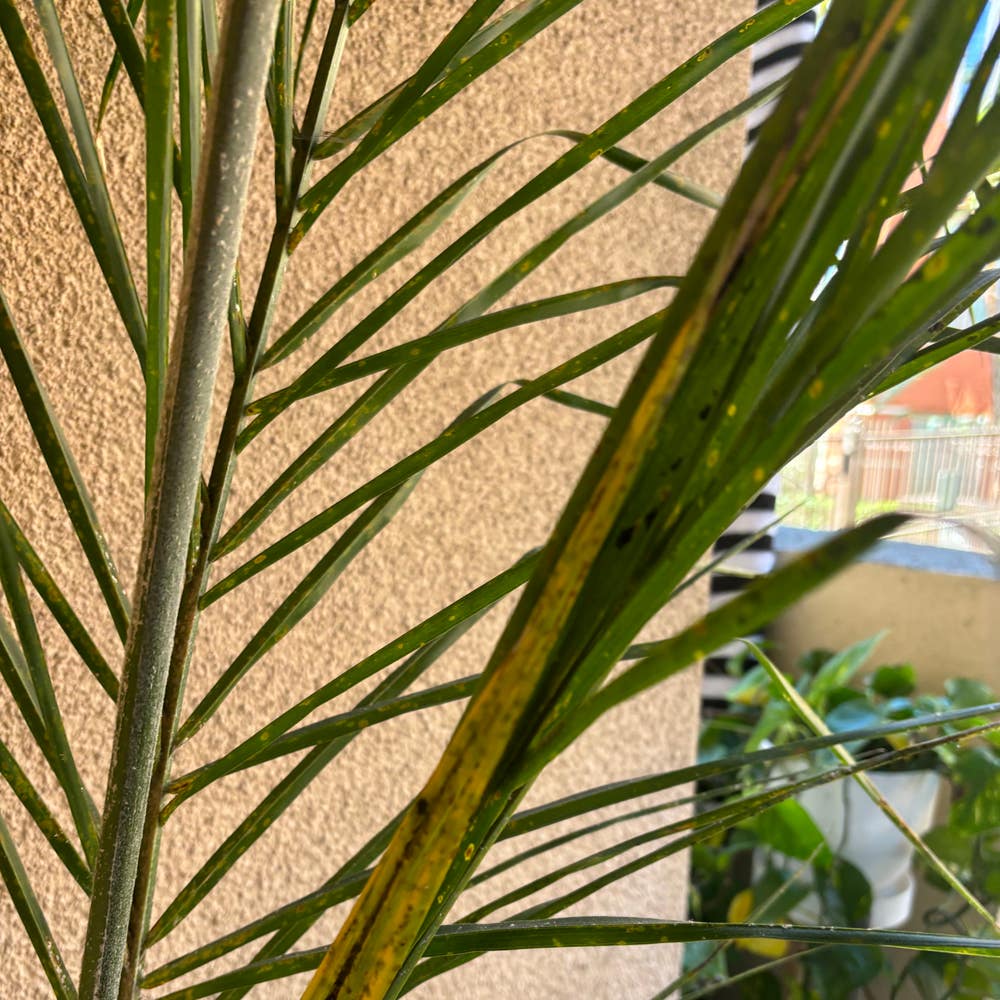
Queen Palm leaves curling inwards or taking on a spiral form are visual red flags. Unlike the natural, gentle arch of healthy fronds, problematic curling can manifest as tight rolls or crisp, brown edges. It's the plant's SOS, signaling that all is not well in its tropical world.
🚨 Immediate Steps to Take
When you spot trouble, act fast. Isolate the palm if it's potted, or if it's planted, give it some breathing room by clearing the surrounding area. Check for soggy soil or bone-dry patches; both are cries for help. Adjust watering immediately, and while you're at it, give the palm a once-over for any uninvited guests—pests are not just a nuisance, they're a full-blown palm party crasher.

The Usual Suspects: Identifying the Culprits Behind the Curl
🌞 Too Much Sun or Wind Exposure
Queen Palms love the sun, but too much can leave their leaves curled up tighter than a rolled yoga mat. They're not trying to achieve nirvana; they're shielding themselves from a sunburn. If your palm looks more fried than a beachgoer without sunscreen, it's time to dial back on the rays.
Wind can be just as harsh, whipping leaves into a tizzy until they curl up in self-defense. If your palm is in a wind tunnel, consider a more sheltered spot or a windbreak to keep it from feeling like it's in a perpetual leaf-blender.
💧 Thirsty Roots: Watering Mishaps
Overwatering can turn your Queen Palm's soil into a swamp, and nobody likes wet feet for long. The leaves droop and curl, a clear sign of a plant in a soggy crisis. Underwatering isn't any better, leaving the soil as dry as a stand-up comedian's wit. The leaves curl, trying to hold on to every last drop like a miser with a dollar bill.
Finding the watering sweet spot is like crafting the perfect cocktail; it takes a bit of finesse. Your Queen Palm craves a drink that's just right – enough to quench its thirst without drowning it. Check the soil before watering; it should be moist, not a mud pie or a dust bowl.

Feed Your Queen: Nutrients to Combat Curling
🌿 The Role of Potassium and Magnesium
Potassium deficiency in Queen Palms is like sending them into battle without armor. Look out for yellowing or browning leaf edges; they're your palm's white flag. To bolster your palm's defenses, pick a fertilizer rich in potassium. Remember, new fronds will show improvement, but the battle-scarred ones won't heal.
Magnesium plays the sidekick, keeping the chlorophyll in check. Classic signs of a magnesium-starved palm include yellow bands on leaf margins with a green center. It's not a death sentence, but it sure isn't pretty. To correct this, don't just sprinkle Epsom salt and call it a day. It's about balance and precision.
🌱 Soil Testing and Fertilization
Before you go on a fertilizing frenzy, test your soil. It's like diagnosing before prescribing – you need to pinpoint the deficiencies. Regular soil analysis is your roadmap to a healthy palm.
When it's time to fertilize, think of it as crafting a nutrient cocktail. The main ingredients are nitrogen, phosphorus, and potassium, but don't skimp on the micros like magnesium. Coated or slow-release fertilizers are your best bet, delivering a steady supply of nutrients.
Pro tip: Treat your Queen Palm like royalty, with its own specialized fertilization plan, separate from your lawn's regimen. This ensures it gets the right mix of nutrients without interference from high-nitrogen turf fertilizers. Keep an eye on the balance; too much potassium without magnesium can spark a whole new set of issues.

Unwanted Guests: Tackling Pest-Related Curling
🐜 Common Pests for Queen Palms
Queen Palms are not just a tropical statement; they're a magnet for pests. Curling leaves may signal an infestation. Common culprits include aphids, mites, and mealybugs, notorious for their sap-sucking sprees.
Sticky residue or the sight of the pests themselves are red flags. Don't ignore them. It's not just an aesthetic issue; these pests can seriously weaken your palm.
🛡️ Winning the Battle Against Pests
Act fast—pests multiply quicker than bad news. Start with insecticidal soap or neem oil, nature's own pest repellents. Apply with care, ensuring you cover all infested areas.
Prevention beats cure every time. Regularly inspect your Queen Palm, especially under the leaves. Early detection means easier management. And remember, a stressed plant is a pest's paradise; keep your palm healthy to keep the pests at bay.
⚠️ Safety First
This content is for general information and may contain errors, omissions, or outdated details. It is not medical, veterinary advice, or an endorsement of therapeutic claims.
Always consult a qualified healthcare professional before using any plant as food, medicine, or supplement.
Never eat any plant (or feed one to pets) without confirming its identity with at least two trusted sources.
If you suspect poisoning, call Poison Control (800) 222-1222, the Pet Poison Helpline (800) 213-6680, or your local emergency service immediately.
Spotted an error? Please report it here.
Keep your Queen Palm's leaves unfurled and healthy 🌴 with Greg's tailored care reminders, ensuring you address moisture, pests, and nutrient needs on time.