What Temperature Should My Queen Palm Be Kept At?
Syagrus romanzoffiana
By the Greg Editorial Team
Jun 18, 2024•4 min read
This article was created with the help of AI so we can cover more plants for you. May contain errors. See one? Report it here.
Keep your Queen Palm thriving 👑 by reigning in the ideal 65°F-85°F temperature kingdom! 🌡️
- 🌡️ Ideal range 65°F to 85°F for Queen Palm health and growth.
- Watch for stress signs: Leaf discoloration, wilting, and stunted growth.
- Mitigate stress: Shade, watering, frost protection, and pruning damaged fronds.
Keeping Your Queen Palm Cozy: The Ideal Temperature Range
Queen Palms bask in the warmth of 65°F to 85°F. This range is their comfort zone, where they thrive and flaunt their tropical elegance.
🌡️ When It's Too Hot to Handle
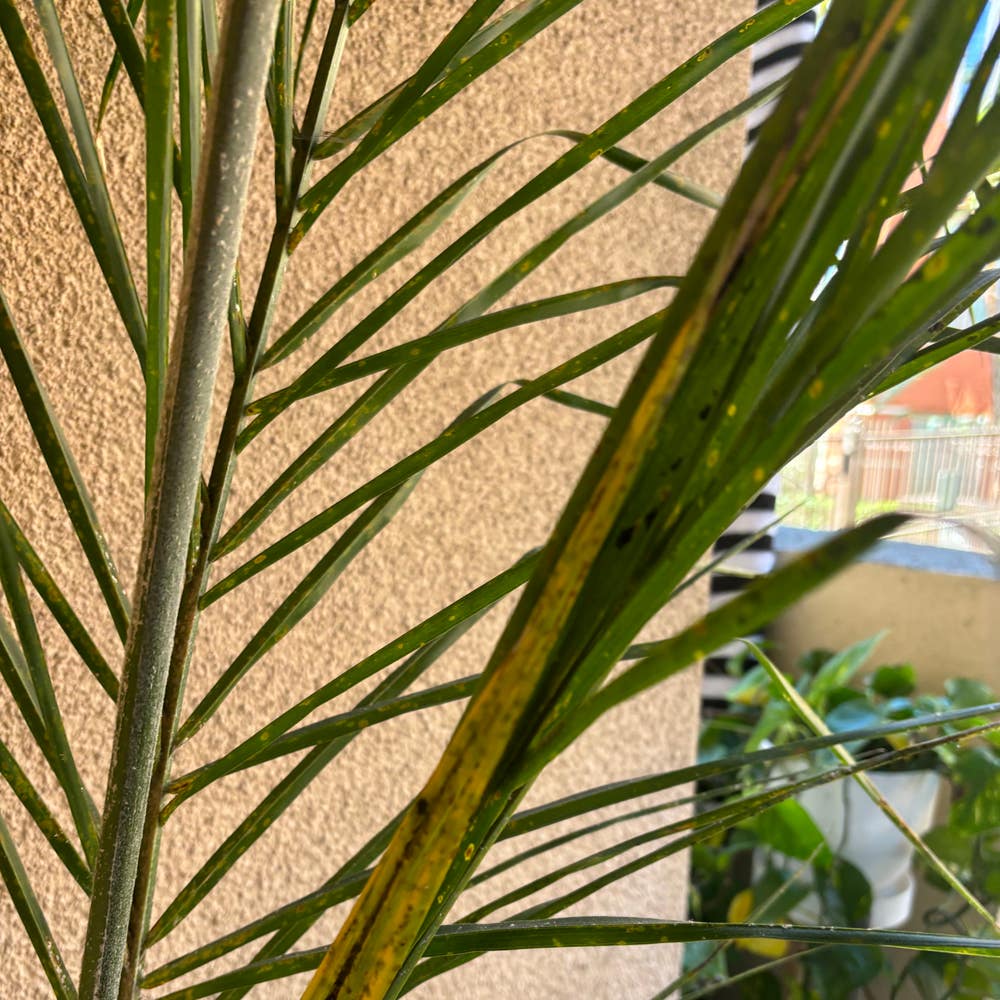
Overheating can stress your Queen Palm. Signs include wilted or yellowing fronds and dry soil.
To cool your palm, provide shade during peak sun hours. Increase watering slightly, and consider a light misting to simulate a tropical breeze.
❄️ When It's Too Cold to Reign
Chilly temperatures can make your Queen Palm shiver. Symptoms of cold stress are darkened or blackened fronds and a general look of unhappiness.
To warm up your palm, use frost protection sprays or mulch around the base. Keep it well-watered before a freeze to insulate roots, and avoid placing it in drafty areas.

Spotting Trouble in Paradise: Temperature Stress Symptoms
🍂 Leaf Discoloration: A Red Flag
Watch for leaf discoloration. If your Queen Palm's leaves are turning a sickly yellow or brown, it's not just throwing shade; it's likely suffering from temperature stress. This is the palm's way of saying, "I'm not okay!"
😓 Wilting Leaves: More Than Just a Bad Day
When leaves droop like they've given up on life, it's a sign. Wilting is your Queen Palm's dramatic way of telling you that the temperature is more oppressive than a heatwave in a desert with no oasis in sight.
🌱 Stunted Growth: A Royal Pain
If your Queen Palm's growth seems to have hit a wall, it's not just being lazy. Stunted growth is a cry for help, a sign that your palm is not living its best life due to temperature distress.
👑 Crown Health: The Ultimate Indicator
The crown is the Queen Palm's pride and joy. If it's looking sparse or the fronds are dying, it's like watching a kingdom fall. This is the ultimate SOS, signaling that immediate action is needed to address temperature issues.
🍊 Potassium Deficiency: A Sneaky Culprit
Yellow or orange spots that turn into black necrotic areas? That's the palm's way of telling you it's got a potassium deficiency, often exacerbated by temperature stress. It's like the palm is running on empty.
🚑 Immediate Response: Don't Just Stand There!
If you see any of these symptoms, don't just twiddle your thumbs. It's time for some palm CPR. Move your Queen Palm to a more temperature-stable environment, stat. It's not being needy; it's being in distress.

The Royal Treatment: Mitigating Temperature Stress
🌡️ First Aid for the Foliage
When your Queen Palm shows signs of temperature stress, act swiftly. Begin by pruning any brown or damaged fronds to prevent decay from spreading. If the palm is indoors, move it away from drafty windows or heat sources. For outdoor palms, provide a protective barrier during unexpected cold snaps or intense heat waves.
🌡️ Long-term Care
Monitor temperatures closely to maintain your Queen Palm's comfort zone between 65°F and 85°F. Indoors, use technology like thermostats and apps to keep the climate consistent. Outdoors, consider shade cloths or white paint on the trunk to reflect heat. Hydration is crucial; water deeply but infrequently to maintain moist, not soggy, soil conditions. Mulching helps conserve moisture and regulate soil temperature. Remember, a content Queen Palm is less prone to the whims of weather.

A Touch of Humidity: The Queen's Minor Request
Humidity: the silent ally of temperature in the Queen Palm's court. While the focus often shines on the warmth of the sun, humidity plays a crucial supporting role. It's about creating a tropical ambiance without turning your living room into a rainforest.
💧 The Humidity Sweet Spot
Queen Palms bask in the glory of moderate humidity. Aim for that Goldilocks zone—not too dry, not a steam bath. Think of it as the perfect cocktail; just enough moisture to keep the fronds lush and green.
🌿 Practical Humidity Tips
- Grouping plants can create a microclimate of shared humidity.
- Humidifiers or pebble trays with water are your go-to gadgets for upping the moisture.
- Misting? Sure, but it's more of a quick fix than a long-term solution.
🚫 Humidity Watch-Outs
Too much humidity invites pests and fungi to the party—unwanted guests for sure. Keep an eye out for droopy leaves or a lackluster appearance, signs your palm might be begging for a drier climate.
⚖️ The Balancing Act
Remember, it's a dance between temperature and humidity. Monitor both to ensure your Queen Palm doesn't miss a beat in its growth. Keep that air moving; stagnant humidity is about as welcome as a jester at a coronation.
⚠️ Safety First
This content is for general information and may contain errors, omissions, or outdated details. It is not medical, veterinary advice, or an endorsement of therapeutic claims.
Always consult a qualified healthcare professional before using any plant as food, medicine, or supplement.
Never eat any plant (or feed one to pets) without confirming its identity with at least two trusted sources.
If you suspect poisoning, call Poison Control (800) 222-1222, the Pet Poison Helpline (800) 213-6680, or your local emergency service immediately.
Spotted an error? Please report it here.
Ensure your Queen Palm flourishes 🌴 with Greg's custom reminders for temperature checks and watering, keeping your tropical gem in its ideal climate without the guesswork.