Why Is My Queen Palm Dropping Leaves?
Syagrus romanzoffiana
By the Greg Editorial Team
Jun 18, 2024•5 min read
This article was created with the help of AI so we can cover more plants for you. May contain errors. See one? Report it here.
Safeguard your Queen Palm's beauty 🌴 by tackling leaf drop for a lush, healthy crown.
- Excessive leaf drop signals distress in Queen Palms, beyond normal seasonal shedding.
- Water, temperature, pests, and nutrients are key factors in leaf retention.
- Preventative care and regular check-ups keep your Queen Palm thriving.
Spotting the Red Flags: When Leaf Dropping Isn't Normal
🍂 Seasonal Shedding vs. Alarming Drop
In the life of a Queen Palm, leaf loss is as routine as your morning coffee. But when your palm starts shedding like it's in a race to baldness, it's time to sit up and pay attention. Seasonal shedding is as dependable as clockwork, while an alarming drop is as erratic as a cat in a yarn shop.
🖼️ Visual Symptoms of Distress
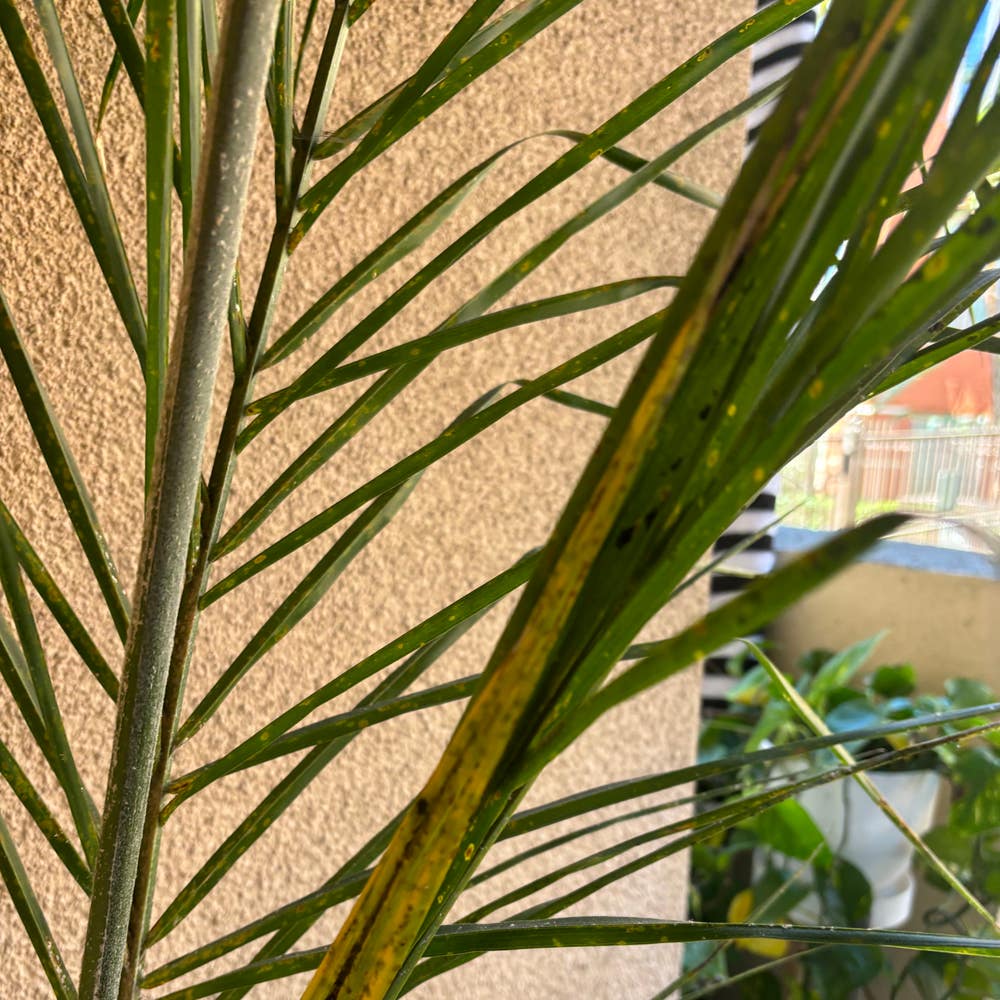
Visual cues are your first hint that your Queen Palm is waving a white flag. Look for leaves that seem to have lost their will to live, drooping sadly or turning a shade of yellow that screams "I'm not okay!" Brown tips or spots are like the plant's version of crying out loud, and if you see a leaf fall that's more dramatic than a season finale cliffhanger, it's time for some plant parent intervention.

The Usual Suspects: Common Causes of Leaf Dropping
💧 Thirsty Roots or Drowning? Watering Woes
Queen Palms need a Goldilocks watering schedule—not too much, not too little. Underwatering leaves the soil parched and roots thirsty, leading to droopy, brown-tipped leaves. Conversely, overwatering can suffocate roots and invite fungal diseases, with leaves turning yellow and dropping prematurely. Ensure your palm has well-draining soil and adjust watering with the seasons.
🌡️ Toasty Fronds: Temperature and Sunlight Stress
Extreme heat can cook your Queen Palm's fronds, causing them to wilt and fall. Cold snaps aren't any kinder, potentially freezing and damaging the foliage. Aim for a sunny spot that mimics the palm's native tropical habitat, but be wary of scorching midday sun. And when the temperature drops, consider protective measures like wrapping or moving the palm to a sheltered area.
🐜 The Silent Killers: Pests and Diseases
Pests such as palm aphids and spider mites suck the life out of fronds, while palm weevils chomp at the heart of your palm. Diseases like Ganoderma butt rot and Fusarium wilt can be fatal if left unchecked. Regular inspections for telltale signs like speckled leaves or unusual growths can catch these culprits early. Swift action with water sprays, soaps, or appropriate treatments is key.
🌿 Starving for Attention: Nutrient Deficiencies
A Queen Palm lacking potassium may show yellowing or necrotic spots on older leaves. Magnesium deficiency presents as yellow bands along leaf margins. And without enough manganese, new fronds can become stunted and deformed. A balanced, palm-specific fertilizer can replenish these essential nutrients and prevent further leaf drop.

First Aid for Your Fronds: Treating Leaf Drop
💧 Adjusting Your Watering Habits
Early morning watering rituals prevent sunburnt fronds and ensure moisture throughout the day. Deep watering is key; it's not just a sprinkle on the surface, but a thorough soak that reaches the roots. This method encourages a strong, deep root system, which is essential for a healthy palm.
🌡️ Creating a Comfort Zone: Temperature and Sunlight Management
Your Queen Palm is no sun worshipper; it craves a balanced environment. Protect it from extreme temperatures by providing shade during the hottest parts of the day. In colder climates, ensure your palm is shielded from frost—think of it as tucking in your green giant for the night.
🐜 Pest Control and Disease Management
Integrated pest management starts with keeping the fronds dry and ensuring good air circulation. Prune with purpose—remove any fronds that look past their prime to prevent pests and diseases. If you spot trouble, don't hesitate to call in the experts; sometimes, the best offense is a good defense.
🌿 Feeding Your Palm Right
A balanced fertilizer is like a gourmet meal for your palm. Look for one with a complete nutrient package, especially if you've noticed frizzle top. Regular feeding will not only green up your palm but also strengthen it against the cold. Remember, it's not just about feeding; it's about feeding well.

Prevention Is Better Than Cure: Keeping Your Queen Palm Happy
🕵️♂️ Regular Check-Ups: Inspection and Maintenance
Routine observation is your first line of defense in the health of your Queen Palm. Like a guardian, you must vigilantly watch over your palm for early signs of distress. Yellowing leaves, stunted growth, or a sudden leaf drop should trigger your inner plant detective. Don't wait for a full-blown crisis; regular check-ups can save you a world of trouble.
🛡️ Proactive Measures: Preventative Practices
To keep your Queen Palm thriving, think like a chess player—always be several moves ahead. Quarterly fertilization with the right nutrients keeps deficiencies at bay. Mulching helps maintain soil moisture and temperature, creating a stable environment for your palm's roots. And remember, watering is an art—too much, and you drown the roots; too little, and you stress the plant. Find that Goldilocks zone and stick to it.
Prevent pests and diseases by keeping a clean garden. Remove fallen fruit and debris that could harbor unwanted guests. Pruning is not just about aesthetics; it's about removing potential problem areas before they become infestations.
Lastly, don't be shy to reach out to a certified arborist or local extension service. These folks are like the plant whisperers you never knew you needed. They can offer tailored advice to keep your Queen Palm in regal health.
⚠️ Safety First
This content is for general information and may contain errors, omissions, or outdated details. It is not medical, veterinary advice, or an endorsement of therapeutic claims.
Always consult a qualified healthcare professional before using any plant as food, medicine, or supplement.
Never eat any plant (or feed one to pets) without confirming its identity with at least two trusted sources.
If you suspect poisoning, call Poison Control (800) 222-1222, the Pet Poison Helpline (800) 213-6680, or your local emergency service immediately.
Spotted an error? Please report it here.
Keep your Queen Palm's fronds firmly in place 🌴 with Greg's tailored care plans, ensuring you catch every cue for a lusher, happier palm.