👑 Queen Palm: Not an Annual
Syagrus romanzoffiana
By the Greg Editorial Team
Sep 30, 2024•5 min read
This article was created with the help of AI so we can cover more plants for you. May contain errors. See one? Report it here.
Cultivate the stunning Queen Palm 🌴 for lasting beauty and resilience in your garden!
- 🌴 Queen Palms are perennial, thriving for decades in warm, humid climates.
- 🌞 Their feathery fronds enhance photosynthesis, ensuring long-term growth and stability.
- ❄️ Protect from frost in cooler areas to maintain health and beauty.
Queen Palm as a Perennial
🌱 Genetic Characteristics
The Queen Palm, scientifically known as Syagrus romanzoffiana, belongs to the Arecaceae family. This classification highlights its tropical origins and sets the stage for its unique adaptations.
These palms exhibit genetic traits that enable them to thrive in warm, humid environments. Their resilience is key for long-term survival, allowing them to flourish where many other plants struggle.
🌿 Physiological Traits Supporting Perennial Growth
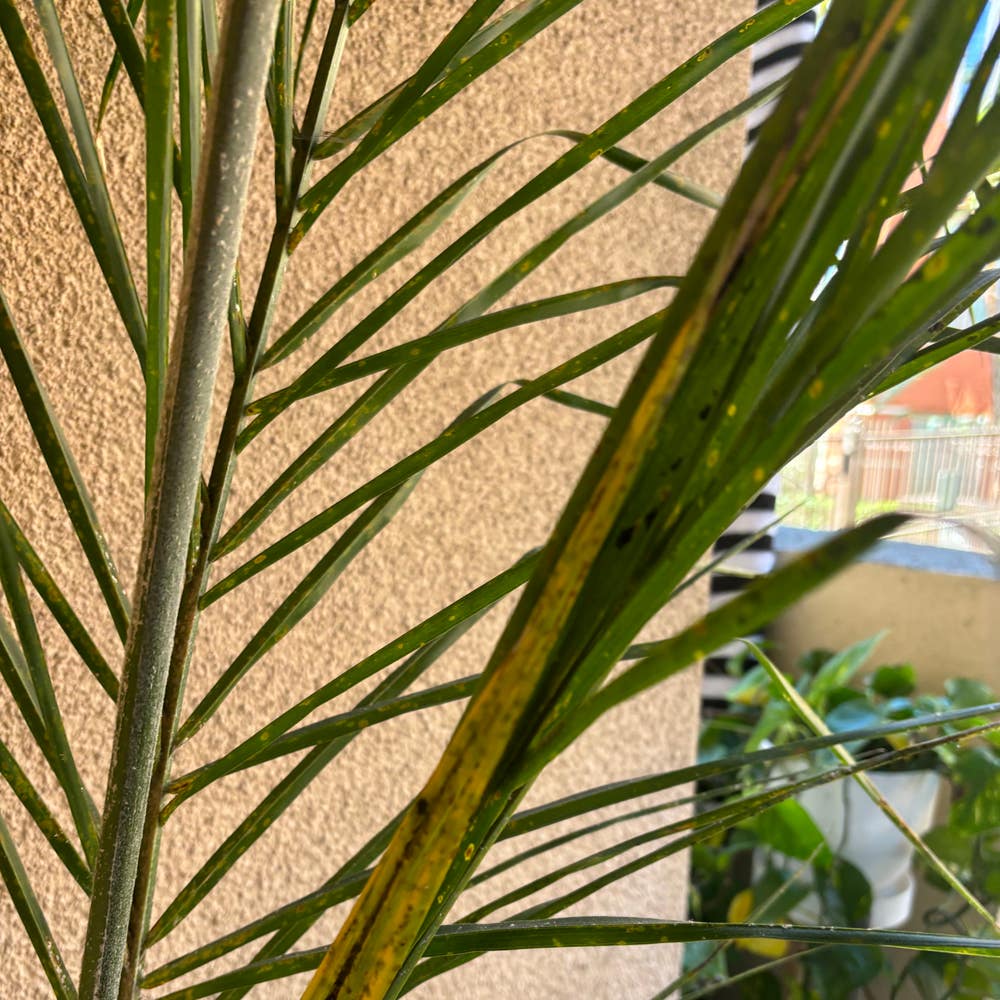
One of the most striking features of the Queen Palm is its tall, slender trunk. This structural design not only adds elegance to landscapes but also supports an extensive root system that anchors the tree securely.
The feathery fronds are another vital aspect of its physiology. These leaves play a crucial role in photosynthesis, allowing the palm to harness sunlight effectively over many years.
⏳ Long-Term Lifecycle
Queen Palms can live for several decades, making them a long-term investment for any garden. Their lifecycle includes distinct growth stages: juvenile, mature, and senescent phases, each contributing to their overall resilience.
These palms are well-adapted to thrive in warm climates. They can cope with seasonal changes, ensuring they remain vibrant and healthy throughout their lifespan.
This understanding of the Queen Palm's perennial nature sets the foundation for exploring its growth and reproductive strategies in the next section.
Growth and Reproductive Strategies
🌱 Growth Patterns
Queen Palms exhibit a fascinating growth pattern, thriving actively during warm months while entering dormancy in cooler periods. These palms can reach impressive heights of up to 20 feet, with a slender trunk that adds elegance to any landscape.
🌼 Flowering Cycles and Seed Production
The flowering season for Queen Palms lasts several months, showcasing clusters of delicate flowers. These blooms lead to seed formation, ensuring the continuation of the species.
Pollination plays a crucial role in their reproductive success, with both wind and insects contributing to this process. This dual strategy enhances their chances of producing viable seeds.
🌿 Comparison with True Annuals
Unlike true annuals that complete their lifecycle in a single season, Queen Palms embrace a multi-season growth approach. This means they take their time, with a prolonged flowering period that allows for a more gradual seed production.
While annuals rush to produce seeds quickly, Queen Palms invest in a longer, more sustainable lifecycle. This distinction highlights their resilience and adaptability in various environments.
As we explore the regional variations and misconceptions surrounding Queen Palms, it’s essential to understand how their growth strategies influence their care and cultivation.
Regional Variations and Misconceptions
🌴 Conditions Where Queen Palm May Be Mistaken for an Annual
Queen Palms are often misidentified as annuals due to their frost sensitivity. In colder climates, these palms struggle to survive, leading many gardeners to treat them as temporary plants.
This misconception arises when gardeners witness the decline of Queen Palms during chilly months. They may assume these palms cannot thrive year-round, overlooking their perennial nature in warmer environments.
🌍 Exceptions in Growth and Care Based on Geography
Regional adaptations play a significant role in how Queen Palms grow. In tropical areas, they flourish, while in temperate zones, their growth may be stunted or inconsistent.
Care practices also vary by geography. Gardeners in cooler climates should consider protective measures, such as mulching or relocating pots indoors during frost, to support the palm's perennial growth.
Understanding these regional differences can help gardeners appreciate the true nature of Queen Palms and ensure their longevity in diverse environments.
Garden Design Implications
Advantages in Garden Design 🌴
The Queen Palm stands out with its tall, slender form and feathery fronds, making it a striking addition to any landscape. Its elegant appearance not only enhances visual appeal but also creates a tropical ambiance that many gardeners desire.
Investing in Queen Palms is a long-term commitment. These perennials can thrive for decades, offering enduring beauty and a sense of stability in your garden design.
Planning for Perennial Growth 🌱
When incorporating Queen Palms into your garden, placement and spacing are crucial. Ensure they have enough room to grow tall and wide without crowding other plants, allowing their majestic form to shine.
Companion planting can elevate your garden's aesthetic and health. Pairing Queen Palms with other perennials creates a cohesive design, enhancing both visual interest and biodiversity.
By thoughtfully integrating Queen Palms into your landscape, you can enjoy their beauty for years to come while fostering a vibrant garden ecosystem.
Maximizing Longevity
Tips for Managing as a Perennial 🌱
Watering is crucial for the Queen Palm's health. Aim for consistent moisture, but be careful not to waterlog the roots, as this can lead to rot.
Fertilization plays a key role in supporting growth. During the growing season, provide a balanced fertilizer to meet the palm's nutrient needs, ensuring it thrives year after year.
Best Practices for Long-Term Health 🌿
Pruning is essential for maintaining the shape and health of your Queen Palm. Regularly remove dead fronds to encourage new growth and prevent disease.
Pest and disease management is vital. Keep an eye out for common issues like spider mites and scale, and consider organic solutions to address them effectively.
Seasonal care adjustments can make a big difference. In cooler months, reduce watering and protect the palm from frost to promote longevity and resilience.
By following these tips, you can ensure your Queen Palm remains a stunning centerpiece in your garden for many years to come. Next, let’s explore the garden design implications of incorporating this beautiful perennial.
⚠️ Safety First
This content is for general information and may contain errors, omissions, or outdated details. It is not medical, veterinary advice, or an endorsement of therapeutic claims.
Always consult a qualified healthcare professional before using any plant as food, medicine, or supplement.
Never eat any plant (or feed one to pets) without confirming its identity with at least two trusted sources.
If you suspect poisoning, call Poison Control (800) 222-1222, the Pet Poison Helpline (800) 213-6680, or your local emergency service immediately.
Spotted an error? Please report it here.
Nurture your Queen Palm 🌴 to thrive for decades with Greg's tailored watering reminders and expert care tips that ensure your garden remains a tropical paradise!