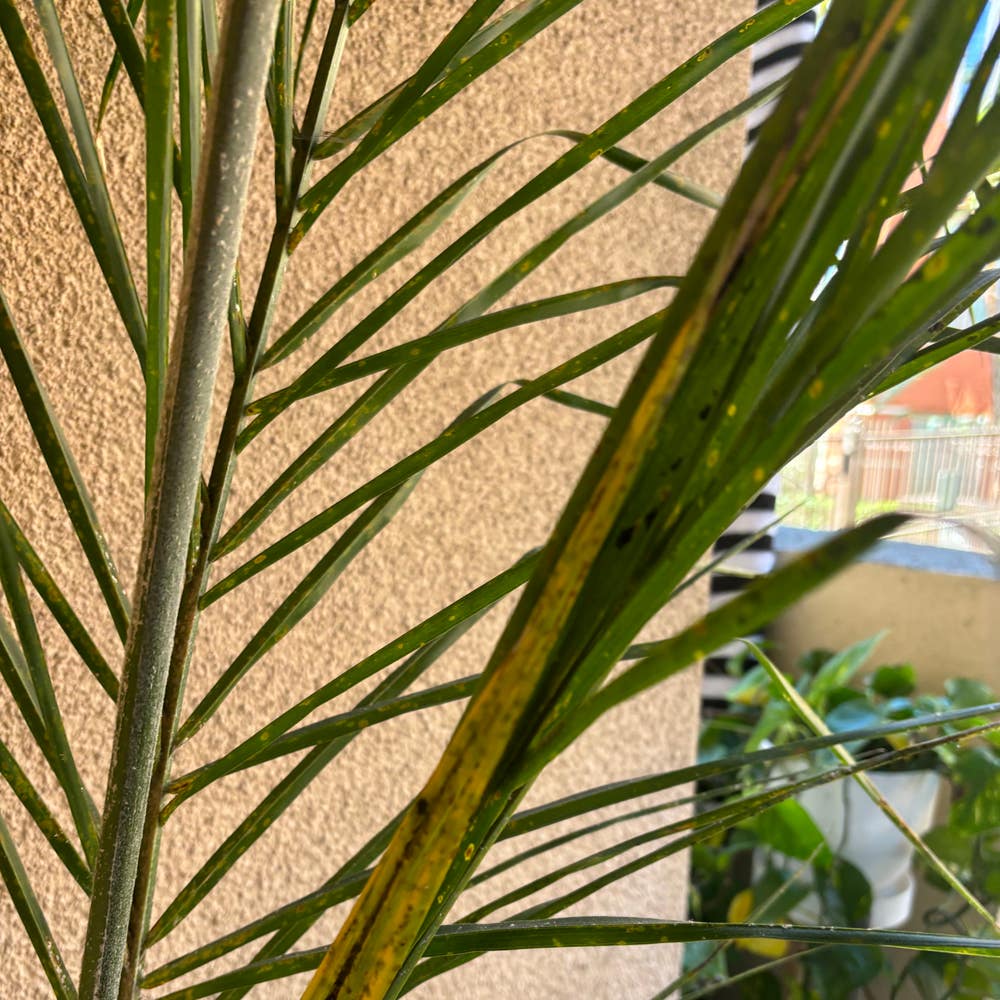
👑 3 Secrets to Successfully Grow Queen Palm
Syagrus romanzoffiana
By the Greg Editorial Team
Sep 30, 2024•5 min read
This article was created with the help of AI so we can cover more plants for you. May contain errors. See one? Report it here.
Cultivate a stunning Queen Palm in your garden with these essential planting and care tips! 🌴✨
- ☀️ Queen Palms need 6-8 hours of sunlight daily for optimal growth.
- 🌱 Well-draining soil is crucial; aim for pH 6.0 to 7.5 to prevent root rot.
- 🌳 Space is key; Queen Palms can grow up to 25 feet wide!
Site Selection and Soil Preparation
Choosing the Right Location 🌞
Selecting the perfect spot for your Queen Palm is crucial. These palms thrive in full sun, requiring at least 6-8 hours of sunlight daily for optimal growth.
Space is another key factor. Ensure you provide enough room for the palm to reach its mature height and spread, which can be up to 25 feet wide. Avoid planting near structures or other trees that might block sunlight.
Soil Type and Preparation 🌱
The right soil is essential for your Queen Palm's health. Well-draining soil is a must to prevent root rot, while a pH level between 6.0 and 7.5 is ideal for nutrient absorption.
To prepare your soil, amend it with organic matter like compost. This not only improves drainage but also boosts nutrient content. Additionally, conducting a soil test can help you determine the current nutrient levels and pH, ensuring your palm gets the best start possible.
With the right location and soil preparation, your Queen Palm will have a strong foundation for growth. Next, let’s dive into effective planting techniques to ensure your palm thrives.
Planting Techniques
Step-by-Step Planting Guide 🌱
Digging the Hole: Start by digging a hole that is twice the width and depth of the root ball. This ensures ample space for the roots to spread.
Positioning the Palm: Place the palm in the hole at the same depth it was in the container. This helps maintain its health and growth.
Backfilling: Fill the hole with a mix of native soil and compost. This combination enhances drainage and provides essential nutrients.
Watering: After planting, water thoroughly to eliminate any air pockets. This step is crucial for establishing strong roots.
Container vs. Outdoor Planting Considerations 🏡
Container Growing
Pot Size: Choose a pot that is at least 18 inches in diameter and has drainage holes. This size allows for healthy root development.
Potting Mix: Use a well-draining potting mix to prevent waterlogging. A good mix supports growth and keeps the roots healthy.
Outdoor Planting
- Sunlight and Space: Ensure the planting location receives sufficient sunlight and has enough space for the palm to grow. This is vital for its long-term health.
By following these planting techniques, you set the stage for a thriving Queen Palm. With the right care, your palm will flourish and become a stunning addition to your landscape. Next, we’ll explore the essential aspects of watering and fertilizing to keep your palm in peak condition.
Watering and Fertilizing
💧 Watering
Watering is crucial for the health of your Queen Palm. During the initial growth phase, aim to water weekly to establish strong roots.
Once your palm is established, you can reduce the frequency. While it can tolerate drought, consistent moisture is key for optimal growth.
🌊 Watering Techniques
Deep watering is the best approach. This encourages roots to grow deeper into the soil, making your palm more resilient.
🌱 Fertilizing
Fertilization is essential for robust growth. Plan to fertilize every 6-8 weeks during the growing season, which spans spring and summer.
🥦 Types of Fertilizers
Opt for a balanced, slow-release fertilizer with an NPK ratio of 8-2-10. This specific ratio supports healthy growth and vibrant foliage.
By following these watering and fertilizing guidelines, your Queen Palm will thrive. Next, let’s explore the best pruning techniques to keep your palm looking its best.
Pruning and Maintenance
When and How to Prune 🌿
Pruning your Queen Palm is essential for its health and appearance. Aim to prune in late winter or early spring, just before new growth starts.
To prune effectively, focus on removing dead or yellowing fronds. Cut these fronds at the base to encourage fresh growth. Remember, less is more; avoid excessive pruning to keep your palm thriving.
Ongoing Care Routine 🧑🌾
Regular inspections are key to catching pests and diseases early. Look for any signs of trouble, such as discoloration or unusual growth patterns.
Maintaining soil moisture and nutrient levels is crucial. Consistent watering and fertilizing will help your Queen Palm flourish, ensuring it remains a stunning feature in your landscape.
With proper care, your palm will not only survive but thrive, adding beauty and elegance to your outdoor space. Now, let’s dive into common challenges you might face and how to tackle them effectively.
Common Challenges and Solutions
🐜 Identifying and Managing Pests
Common Pests
Pests can be a real headache for your Queen Palm, but knowing what to look for makes all the difference.
Spider Mites: Look for webbing on fronds and yellowing leaves. To control these pests, increase humidity around the plant and apply insecticidal soap.
Scale: These pests leave a sticky residue and can cause yellowing leaves. Control methods include using neem oil or manually removing them.
🦠 Addressing Diseases
Common Diseases
Keeping an eye out for diseases is crucial to maintaining a healthy palm.
Leaf Spot: This disease manifests as brown spots on leaves. To prevent it, ensure good air circulation and avoid overhead watering.
Root Rot: Symptoms include wilting even when the soil is moist. Prevent root rot by ensuring your soil drains well and avoiding overwatering.
🌪️ Tips for Overcoming Environmental Stressors
Environmental stressors can impact your palm's health, but there are ways to mitigate their effects.
Cold Weather: Protect your palms with frost cloths or move container plants indoors during extreme cold spells.
Drought: Maintain a consistent watering schedule during dry periods to keep your palm thriving.
By staying vigilant and proactive, you can tackle these challenges head-on, ensuring your Queen Palm remains a stunning addition to your landscape. Next, let’s explore the essential watering and fertilizing techniques to keep your palm healthy and vibrant.
⚠️ Safety First
This content is for general information and may contain errors, omissions, or outdated details. It is not medical, veterinary advice, or an endorsement of therapeutic claims.
Always consult a qualified healthcare professional before using any plant as food, medicine, or supplement.
Never eat any plant (or feed one to pets) without confirming its identity with at least two trusted sources.
If you suspect poisoning, call Poison Control (800) 222-1222, the Pet Poison Helpline (800) 213-6680, or your local emergency service immediately.
Spotted an error? Please report it here.
Grow your Queen Palm flourishingly 🌴 with Greg's personalized watering reminders and expert care tips that ensure it thrives in your unique environment!