👑 Top 4 Pot Options to Make Your Queen Palm Thrive
Syagrus romanzoffiana
By the Greg Editorial Team
Sep 30, 2024•6 min read
This article was created with the help of AI so we can cover more plants for you. May contain errors. See one? Report it here.
Unlock your Queen Palm's full potential 🌴 by mastering the art of pot selection for every growth stage! 🌱
- 🌱 Pot size is crucial: Young Queen Palms need 10-12 inches; mature ones need 18-24 inches.
- 🕳️ Drainage holes prevent root rot: Aim for 3-5 holes for optimal health.
- 🎨 Material matters: Clay, plastic, ceramic, or metal pots each have unique benefits and drawbacks.
Pot Size for Different Growth Stages
📏 Recommended Sizes for Young Plants
For young Queen Palms, the ideal container size is between 10 to 12 inches in diameter. This size allows for initial root establishment, giving your plant the space it needs to grow without feeling cramped.
Choosing the right pot prevents overcrowding, which can stunt growth and lead to unhealthy plants. A well-sized pot sets the foundation for a thriving palm.
🌳 Recommended Sizes for Mature Plants
As your Queen Palm matures, it will require a larger pot, ideally between 18 to 24 inches in diameter. This size accommodates extensive root systems, providing ample room for growth.
A larger pot also supports the height of the plant, ensuring stability and health as it continues to flourish. Proper pot sizing at this stage is crucial for long-term vitality.
Understanding the right pot sizes for different growth stages is essential for nurturing your Queen Palm. Next, let’s explore the various pot materials and their impact on your plant's health.
Pot Materials
Advantages and Disadvantages of Clay Pots 🌱
Clay pots are a popular choice for many plant enthusiasts. Their breathability promotes excellent air circulation to the roots, which is essential for healthy growth.
Additionally, they offer an aesthetic appeal that complements various settings, adding a natural touch to your indoor or outdoor space.
However, they come with some drawbacks. Clay pots are heavier, making them harder to move around when needed.
Their porosity can also be a double-edged sword; while it allows for air exchange, it can lead to quicker drying out, necessitating more frequent watering.
Advantages and Disadvantages of Plastic Pots 🪴
Plastic pots are a favorite for those seeking convenience. They are lightweight, making them easy to move and reposition as needed.
Moreover, they are generally cost-effective, often available at a lower price point than clay options.
On the downside, plastic pots are less breathable, which can lead to root rot if drainage isn’t managed properly.
They also have aesthetic limitations, as they may not blend as seamlessly into natural settings compared to their clay counterparts.
Other Materials to Consider 🏺
If you're looking for alternatives, consider ceramic pots. They are visually appealing but can be heavy, so ensure they have adequate drainage holes.
Metal pots are another option; they are durable but can heat up quickly, potentially affecting soil temperature.
Choosing the right pot material is crucial for your Queen Palm's health and growth. Each option has its unique benefits and challenges, so weigh them carefully based on your specific needs and environment.
As you explore these materials, keep in mind how they align with your plant care goals. This will set the stage for your Queen Palm to thrive beautifully.
Drainage Considerations
Importance of Drainage Holes 🌧️
Drainage holes are crucial for preventing water accumulation and root rot. Aim for at least 3-5 drainage holes to ensure optimal water flow.
How Drainage Affects Health 🌱
Good drainage keeps soil from becoming soggy, which can lead to fungal diseases. It also promotes healthy root development and nutrient absorption, essential for a thriving Queen Palm.
Signs of Poor Drainage 🚫
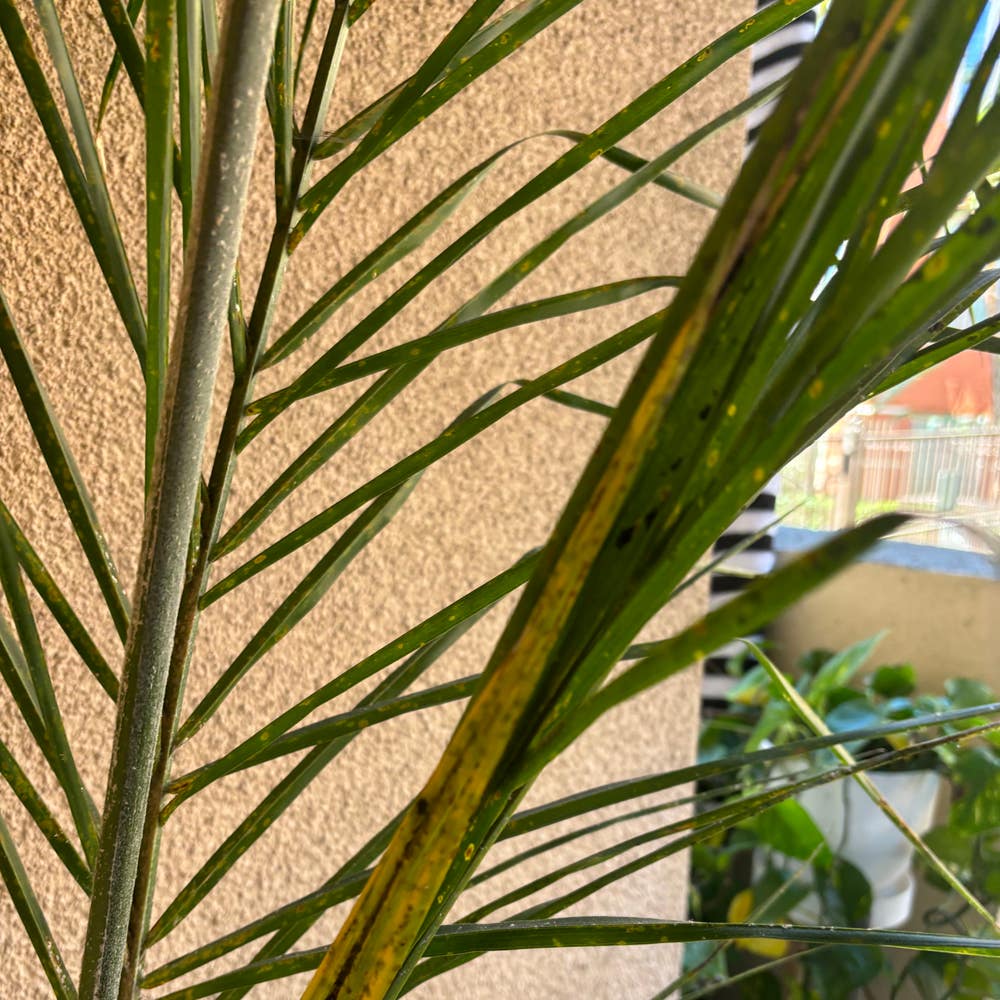
Watch for yellowing leaves, a clear sign of overwatering or root stress. Additionally, mold or algae growth indicates excessive moisture retention, signaling that your pot may need a drainage upgrade.
Understanding these drainage considerations can significantly impact your Queen Palm's health. With the right setup, you can foster a vibrant and flourishing plant. Next, let’s explore the importance of repotting your Queen Palm to maintain its growth and vitality.
Repotting Queen Palm
When to Repot 🌱
Repotting your Queen Palm is essential for its health and growth. Look for signs like roots growing out of drainage holes or stunted growth; these indicate it's time for a new pot.
Aim to repot every 2-3 years or whenever your plant outgrows its current container. Keeping an eye on these signs ensures your palm thrives.
Step-by-Step Guide to Repotting 🛠️
Repotting might seem daunting, but it's straightforward. Follow these steps for a successful transition:
- Choose the right pot size: Refer to guidelines for young or mature plants.
- Prepare the new pot: Make sure it has adequate drainage holes.
- Remove the plant: Gently loosen the root ball from the old pot.
- Inspect roots: Trim any damaged or rotting roots to promote healthy growth.
- Place in new pot: Fill with well-draining soil, ensuring the root ball is level.
- Water thoroughly: Allow excess water to drain out, preventing soggy conditions.
Choosing the Right Pot During Repotting 🪴
Selecting the right pot is crucial for your palm's future. Consider the growth stage and match the pot size accordingly.
Also, think about the material. Weigh the pros and cons of clay versus plastic based on your environment. Each choice affects your palm's health and aesthetic appeal.
By following these guidelines, you ensure your Queen Palm has the best chance to flourish. Next, let's explore how your pot choice impacts its growth.
Impact of Pot Choice on Growth
How Pot Choice Affects Root Development 🌱
Choosing the right pot size is crucial for your Queen Palm's root development. Larger pots allow roots to spread out, promoting a robust and healthy plant.
Conversely, smaller pots can restrict growth, leading to nutrient deficiencies. When roots are cramped, they struggle to absorb essential nutrients.
Effects of Pot Size on Nutrient Absorption 🍽️
Adequate pot space enhances nutrient uptake, contributing to overall plant vigor. A well-sized pot ensures that roots have room to explore, maximizing their ability to absorb water and nutrients.
On the flip side, overcrowded roots compete for resources, which can stunt growth. This competition can lead to deficiencies that affect the plant's health.
Long-Term Health Implications of Pot Selection 🏥
Proper pot selection is vital for the longevity and resilience of your Queen Palm. A suitable pot not only supports healthy growth but also helps prevent chronic issues.
Poor choices can lead to problems like root rot and stunted growth. Investing time in selecting the right pot pays off in the long run, ensuring your palm thrives.
As you consider your pot options, remember that the right choice can make all the difference in your plant's journey. Next, let’s explore the essential aspects of repotting your Queen Palm to keep it flourishing.
⚠️ Safety First
This content is for general information and may contain errors, omissions, or outdated details. It is not medical, veterinary advice, or an endorsement of therapeutic claims.
Always consult a qualified healthcare professional before using any plant as food, medicine, or supplement.
Never eat any plant (or feed one to pets) without confirming its identity with at least two trusted sources.
If you suspect poisoning, call Poison Control (800) 222-1222, the Pet Poison Helpline (800) 213-6680, or your local emergency service immediately.
Spotted an error? Please report it here.
Give your Queen Palm the perfect pot for thriving growth 🌴 with Greg's tailored reminders and expert tips to keep your plant happy and healthy!