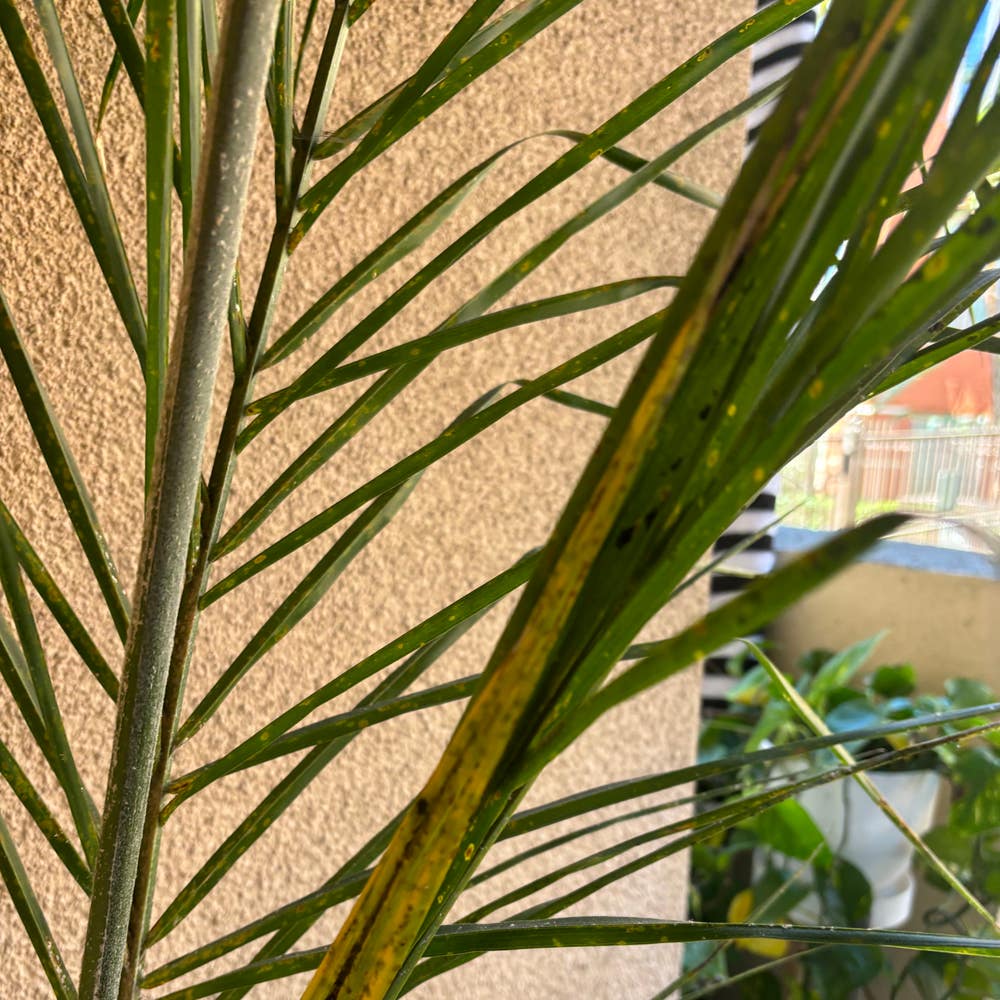
🌴 Where Can Queen Palm Grow? Zones 9b-11b
Syagrus romanzoffiana
By the Greg Editorial Team
Sep 30, 2024•5 min read
This article was created with the help of AI so we can cover more plants for you. May contain errors. See one? Report it here.
Master Queen Palm care 🌴 by understanding their temperature needs for vibrant growth and stunning beauty!
- 🌴 Queen Palms thrive in USDA zones 9b-11b, favoring warm, humid climates.
- ❄️ Frost sensitivity means they suffer below 30°F (-1°C); choose planting sites wisely.
- ☀️💧 Full sun and well-drained soil are essential for healthy Queen Palm growth.
Temperature Tolerance
❄️ Cold Tolerance Specifics
Queen palms are particularly sensitive to frost. When temperatures drop below 30°F (-1°C), they can suffer significant damage, leading to leaf issues and stunted growth.
☀️ Heat Tolerance Specifics
On the flip side, these palms thrive in warm, humid conditions. They can easily withstand the high temperatures typical of USDA zones 9b-11b, making them a popular choice for warmer climates.
🌡️ Impact of Temperature Extremes on Growth
Temperature extremes can pose risks to queen palms. Sudden drops in temperature can cause frost damage and delay growth, while prolonged heat can stress the plant, reducing its overall vigor.
Understanding these temperature tolerances is crucial for successful cultivation. By choosing the right environment, you can ensure your queen palms flourish beautifully.
Ideal Regions for Growing
🌴 Examples of US States in Zones 9b-11b
If you're considering planting Queen Palms, look no further than Florida, California, Texas, and parts of Arizona. These states offer the warm, humid conditions that these palms crave, making them ideal for thriving growth.
🗺️ Specific Regions Within These States
In Florida, areas like Miami and Orlando are particularly suitable. California's coastal regions, such as San Diego, also provide the perfect environment. Texas has pockets like Houston and parts of the Rio Grande Valley that are excellent for Queen Palms.
🌧️ Factors Contributing to Ideal Growing Conditions
Humidity and well-drained soil are crucial for the health of Queen Palms. These palms flourish in environments that provide full sun exposure, enhancing their growth and ornamental appeal.
☀️ Importance of Soil and Sunlight
Well-drained soil prevents root rot, while ample sunlight promotes vibrant foliage. Together, these factors create a lush, tropical look that makes Queen Palms a favorite in landscaping.
🌊 Comparison of Coastal vs. Inland Regions
Coastal regions typically offer more humid and stable temperatures, making them ideal for Queen Palm growth. In contrast, inland areas can experience temperature extremes, necessitating careful site selection to ensure the palms thrive.
🏖️ Coastal Advantages
The consistent climate near the coast reduces stress on the plants, allowing them to grow more vigorously. This stability is a significant advantage for gardeners looking to cultivate these stunning palms.
🏞️ Inland Considerations
Inland regions may require additional care, such as selecting sheltered spots to mitigate temperature fluctuations. Understanding these differences can help you choose the best location for your Queen Palms.
As you explore the ideal regions for growing Queen Palms, consider how local conditions can impact their health and beauty. Next, we’ll delve into the fascinating world of microclimates and their effects on palm growth.
Microclimates and Their Effects
🌡️ Definition and Impact of Microclimates
Microclimates are localized climate conditions that can significantly differ from the surrounding areas. These variations can create warmer or cooler environments, which directly affect the growth and health of plants like the Queen Palm.
🌍 Examples of Microclimates in the US
Certain locations in the U.S. showcase microclimates that enable successful growth of Queen Palms outside typical zones. For instance, areas near large bodies of water often experience milder temperatures, while urban heat islands can create warmer conditions.
🔑 Key Factors Creating Microclimates
- Elevation: Higher elevations can lead to cooler temperatures, impacting plant growth.
- Proximity to Water: Water bodies can moderate temperatures, providing a more stable climate.
- Urban Heat Islands: Cities can trap heat, creating warmer microclimates that benefit certain plants.
Understanding these microclimates is essential for optimizing the growth of Queen Palms. By selecting the right location, you can harness these localized conditions to promote healthy, vibrant growth.
As we explore further, let’s delve into the state-level suitability analysis for growing Queen Palms.
State-Level Suitability Analysis
🌴 Suitable States for Queen Palm
Queen Palms thrive in warm climates, making states like Florida, California, Texas, Hawaii, and parts of Louisiana ideal for their growth. These regions boast the necessary warmth and humidity, allowing the palms to flourish and showcase their stunning foliage.
❄️ Unsuitable States for Queen Palm
Conversely, states in USDA zones below 9b, such as North Dakota, Montana, and parts of the Midwest, are not suitable for Queen Palms. The colder temperatures and higher frost risk in these areas can severely hinder the plant's growth and survival.
📊 Reasons for Suitability or Unsuitability
The suitability of Queen Palms hinges on several climate factors.
- Temperature Ranges: Ideal growth occurs in warmer temperatures, typically above 30°F (-1°C).
- Frost Dates: Understanding the first and last frost dates is crucial; areas with prolonged frost periods pose a risk to the palms.
- Humidity Levels: High humidity is essential for the health of Queen Palms, as it supports their growth and resilience.
These factors collectively determine whether a state can support the thriving life of Queen Palms. As you consider planting these beauties, keep in mind the climate specifics that will either nurture or challenge their growth.
With this understanding, you can make informed decisions about where to plant your Queen Palms, ensuring they reach their full potential in the right environment.
⚠️ Safety First
This content is for general information and may contain errors, omissions, or outdated details. It is not medical, veterinary advice, or an endorsement of therapeutic claims.
Always consult a qualified healthcare professional before using any plant as food, medicine, or supplement.
Never eat any plant (or feed one to pets) without confirming its identity with at least two trusted sources.
If you suspect poisoning, call Poison Control (800) 222-1222, the Pet Poison Helpline (800) 213-6680, or your local emergency service immediately.
Spotted an error? Please report it here.
Ensure your Queen Palms thrive beautifully 🌴 by using Greg's personalized care tips to create the perfect sunny and humid environment they love!