10 Factors Affecting Queen Palm Flowering 🌸
Syagrus romanzoffiana
By the Greg Editorial Team
Sep 30, 2024•5 min read
This article was created with the help of AI so we can cover more plants for you. May contain errors. See one? Report it here.
Discover how to achieve stunning Queen Palm blooms 🌴 with essential light and care tips for thriving growth!
- 🌞 Queen Palms need 6-8 hours of bright light for optimal flowering.
- 🌱 Nutrient deficiencies cause yellowing fronds and weak blooms; monitor soil regularly.
- 🌧️ Environmental stress like drought affects flowering; maintain consistent watering practices.
Light Requirements and Flowering
Importance of Light for Flowering 🌞
Queen Palms flourish in bright, indirect sunlight. If they don’t get enough light, their bloom cycle can suffer significantly.
For optimal growth, aim for 6-8 hours of filtered sunlight each day. This exposure is crucial for vibrant flowers and overall plant health.
Effects of Light on Flower Development 💐
When light levels are inadequate, you may notice weak flower spikes and fewer blooms. This can be frustrating for any plant enthusiast.
To combat this, consider adjusting your palm's location to capture more light. Additionally, using reflective surfaces can help enhance light availability, giving your Queen Palm the boost it needs.
By ensuring your palm receives the right amount of light, you set the stage for a stunning display of flowers. Next, let’s explore how nutritional needs play a vital role in flowering success.
Nutritional Needs and Deficiencies
🌸 Essential Nutrients for Flowering
Queen Palms rely heavily on specific nutrients for vibrant blooms. Nitrogen and potassium are particularly crucial for robust flower development.
🔍 Identifying Nutrient Deficiencies
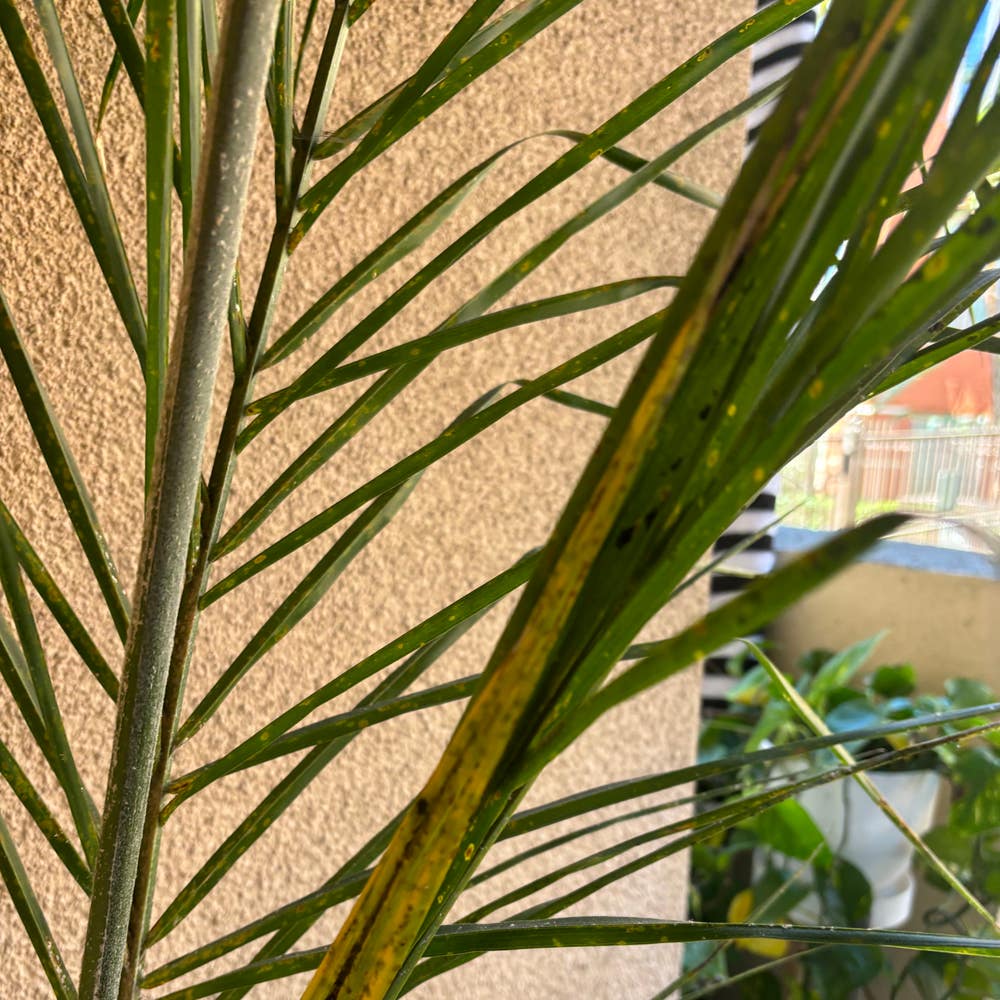
Recognizing nutrient deficiencies early can save your palm from stress. Look for yellowing fronds, stunted growth, and poor flowering as key indicators.
🛠️ Solutions for Nutritional Issues
To keep your Queen Palm thriving, regular soil testing is essential. This helps monitor nutrient levels effectively.
A balanced fertilization schedule during the growing season can significantly support flowering. Aim to apply fertilizer every few months to maintain nutrient levels.
Incorporating organic matter into the soil can also enhance its quality. This not only improves nutrient availability but also promotes healthy root growth.
By addressing nutritional needs proactively, you can ensure your Queen Palm flourishes. With the right care, those stunning flowers will be well within reach.
Next, let’s explore how proper pruning techniques can further enhance your palm's flowering potential.
Pruning Techniques and Their Impact
🌿 Importance of Proper Pruning
Pruning is crucial for maintaining the health and flowering potential of Queen Palms. When done correctly, it encourages robust growth and vibrant blooms.
❌ Common Pruning Mistakes
Many gardeners make the mistake of over-pruning or timing their cuts poorly. This can lead to bud drop and a noticeable reduction in flowering.
✂️ Recommended Pruning Practices
The best time to prune your Queen Palm is late winter or early spring, just before the bloom cycle begins. Focus on removing dead or damaged fronds, but avoid cutting into the trunk to prevent unnecessary stress.
Proper pruning not only enhances the palm's appearance but also supports its overall vitality. By following these guidelines, you can ensure your Queen Palm thrives and produces beautiful flowers.
As we move forward, let’s explore how environmental stress factors can also impact flowering.
Environmental Stress Factors
🌧️ Types of Environmental Stress
Queen Palms face several environmental stressors that can significantly impact their flowering. Drought, excessive moisture, and temperature fluctuations are the main culprits that can disrupt the bloom cycle.
🔍 Identifying Stress Symptoms
Recognizing the signs of stress is crucial for timely intervention. Look out for wilting leaves, discoloration, and a noticeable reduction in flower production.
🛠️ Solutions to Mitigate Stress
To combat these stress factors, establish a consistent watering schedule. Ensure the soil remains moist but avoid waterlogging, which can lead to root rot.
Mulching is another effective strategy. It helps retain soil moisture and regulates temperature, creating a more stable environment for your Queen Palms.
By addressing these environmental stressors, you can enhance the flowering potential of your palms and ensure they thrive. Next, let’s explore how pest and disease issues can further complicate flowering.
Pest and Disease Issues
🐜 Common Pests Affecting Queen Palm
Queen Palms can fall victim to several pests, including aphids, spider mites, and scale insects. These pests can wreak havoc on flower buds and fronds, leading to diminished health and flowering potential.
🔍 Identifying Pest Infestations
To catch these infestations early, look for telltale signs. Sticky residue on leaves, webbing, and discolored foliage are all indicators that pests may be present.
🛠️ Solutions for Pest Control
Implementing integrated pest management is key to keeping your Queen Palm healthy. Using insecticidal soap or neem oil can effectively treat infestations.
Regular inspections are crucial. By checking your palms frequently, you can catch any issues before they escalate, ensuring your plants thrive.
With proper care and attention, your Queen Palms can flourish, free from the threat of pests. Next, let’s explore common flowering problems and how to address them effectively.
Common Flowering Problems
🌸 Failure to Bloom
Causes
Insufficient light and nutrient deficiencies are the main culprits behind a Queen Palm's failure to bloom. Without adequate light and essential nutrients, the palm struggles to produce those beautiful flowers we all love.
Solutions
To encourage blooming, adjust the palm's light exposure by relocating it to a sunnier spot. Implementing a fertilization plan with the right nutrients can also make a significant difference.
🌼 Premature Flower Drop
Causes
Environmental stressors and improper watering practices often lead to premature flower drop. Factors like drought or overwatering can disrupt the palm's natural cycle, causing flowers to fall before they fully develop.
Solutions
Establishing a consistent watering schedule is crucial. Additionally, applying mulch can help retain soil moisture, creating a more stable environment for your palm.
🌺 Abnormal Flower Development
Causes
Pest infestations and nutrient imbalances can lead to abnormal flower development. When pests invade or nutrients are lacking, the flowers may not form correctly, impacting their beauty and health.
Solutions
Implementing effective pest control methods is essential to keep your palm healthy. Amending the soil to correct nutrient imbalances will also promote proper flower development.
By addressing these common flowering problems, you can help your Queen Palm thrive and showcase its stunning blooms. Next, let’s explore how environmental stress factors can further impact flowering.
⚠️ Safety First
This content is for general information and may contain errors, omissions, or outdated details. It is not medical, veterinary advice, or an endorsement of therapeutic claims.
Always consult a qualified healthcare professional before using any plant as food, medicine, or supplement.
Never eat any plant (or feed one to pets) without confirming its identity with at least two trusted sources.
If you suspect poisoning, call Poison Control (800) 222-1222, the Pet Poison Helpline (800) 213-6680, or your local emergency service immediately.
Spotted an error? Please report it here.
Boost your Queen Palm's flower power 🌴 with Greg's tailored watering reminders and nutrient tracking, ensuring you enjoy a stunning bloom season with ease!