Should I Repot My Queen Palm?
Syagrus romanzoffiana
By the Greg Editorial Team
Jun 18, 2024•5 min read
This article was created with the help of AI so we can cover more plants for you. May contain errors. See one? Report it here.
Transform your Queen Palm's life with the art of perfect repotting—spot the signs, make the move! 🌴✨
- Root crowding and stunted growth signal it's time to repot.
- 🌱 Choose the right soil and pot size to prevent root rot.
- Post-repot care is crucial for your Queen Palm's recovery.
When Your Queen Palm is Craving a New Home
Root crowding is the silent cry for help from your Queen Palm. If you spot roots making a break for it out of the pot's drainage holes, it's time to act. Similarly, a root system that's more tangled than last year's Christmas lights indicates a desperate need for space.
Water woes can be deceptive. Overwatering symptoms often look like underwatering, but the real snitch is the soil. If it's more swamp than soil, your watering can is not your friend. Conversely, if your Queen Palm is chugging water faster than a marathon runner but still looks parched, it's likely root-bound.
🌱 The Top Growth Halt
When your Queen Palm's growth hits a plateau, it's not just being lazy. Stunted growth is a red flag that it's running out of room to stretch its roots. If the top of your palm looks as if it's on a diet while the pot bulges, it's time to consider a bigger home.
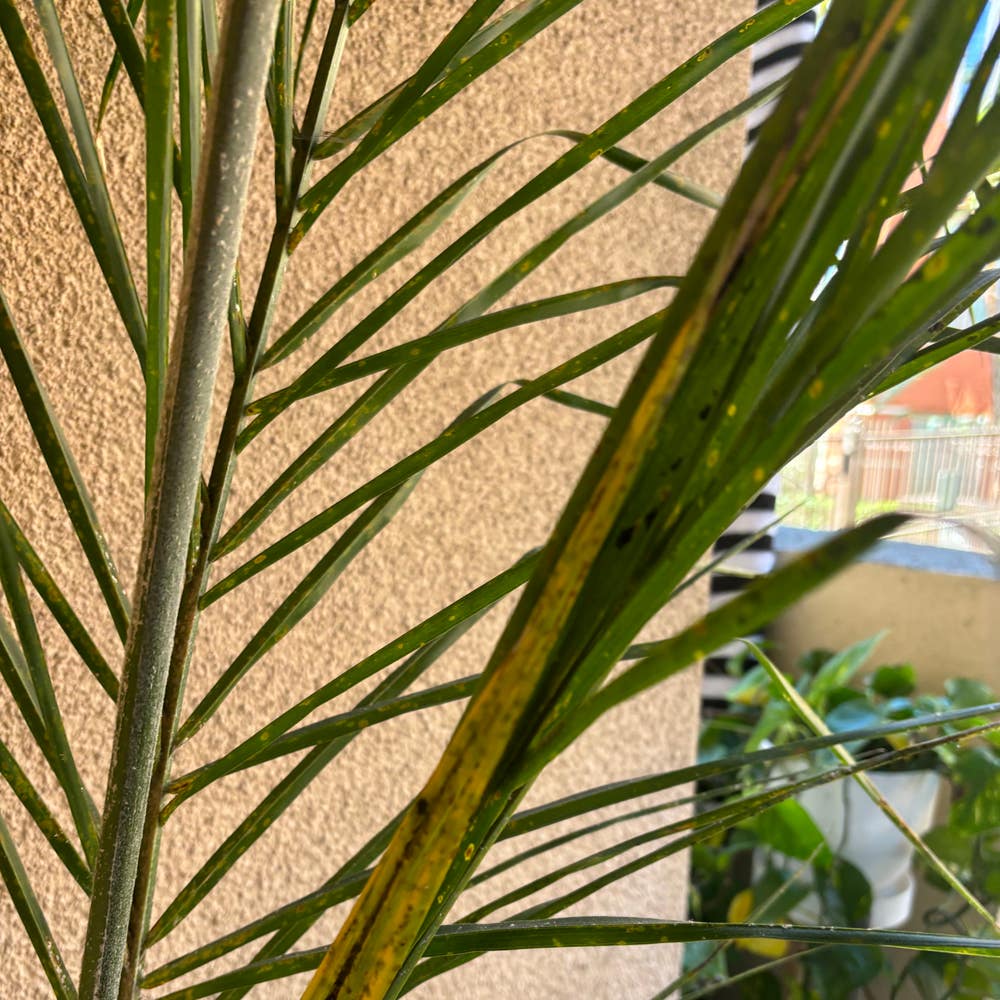
Don't wait for your palm to send an SOS via yellowing or frizzled fronds. These are signs of distress, possibly from nutrient deficiencies exacerbated by cramped conditions. Keep an eye out for new growth that looks like it's been through a crimping iron; this isn't a new palm fashion statement—it's a cry for help.
Remember, your Queen Palm isn't just being dramatic. If it's showing signs of being root-bound or its growth has stalled, it's not just asking for a new pot—it's begging for one.

The Great Move: Repotting Your Queen Palm
🛠️ Prepping the Stage: What You'll Need to Get Started
Before diving into the repotting process, gather your tools. You'll need a new pot (more on that later), well-draining soil, a trowel, gloves, and something to protect the floor—old newspapers should do the trick. Ensure you have enough space to work comfortably; you don't want to be knocking over your grandmother's vase in the process.
🌿 The Main Event: A Step-by-Step Guide to Uprooting and Repotting
- Water your palm a day before to moisten the soil, making it easier to remove the plant.
- Lay down your floor protection and gently tilt the pot sideways, easing the Queen Palm out. If it's stubborn, a tap or a persuasive chat might be necessary.
- Inspect the root ball. If roots are circling the bottom, it's definitely time they had a new pad. Trim any excessively long or damaged roots to encourage fresh growth.
- Place a layer of your soil mix in the new pot. Position your palm in the center, ensuring it's at the same depth as before. No deep dives or shallow paddling pools here.
- Fill in around the roots with more soil, pressing down to eliminate air pockets. This isn't a time for light-as-air; we want a firm foundation.
- Give it a good drink. Watering helps settle the soil and hydrates your palm after its stressful move.
🌱 Choosing the Right Mix: Soil Selection for a Thriving Queen Palm
Your Queen Palm craves moisture but despises soggy feet. Opt for a soil mix that retains water yet drains well. A blend of peat moss, perlite, and sand could work wonders. Remember, the right soil is like a good mattress—supportive but comfortable.

Picking the Perfect Pot
🌱 Material Matters: Comparing Plastic, Terracotta, and Fiberglass
Terracotta is your plant's personal trainer, promoting strong roots with its porous walls that prevent waterlogging. It's the classic choice for a reason, but it'll have you on a tighter watering schedule. Plastic pots are the low-maintenance buddies that retain moisture longer, ideal if you're prone to under-watering, but watch out for swampy conditions. Fiberglass pots are the sleek, modern cousins, durable and stylish, yet they can hold onto water like a grudge, so be vigilant.
📏 Size It Right: Ensuring Your New Pot Promotes Growth, Not Restriction
When sizing up, think modest. A pot just 1-2 inches wider than the last is the sweet spot. Go too big and you're setting up a pool party for root rot. It's not just about giving your Queen Palm room to grow; it's about ensuring that growth doesn't drown in excess soil and moisture. Choose wisely, and your palm will thank you with the kind of lushness that screams "I'm living my best life."

The First Few Days: Post-Repotting Care
💦 Watering Wisdom
Immediately after repotting, drench your Queen Palm to ease the shock and whisper sweet nothings to its roots. But don't get carried away; your palm isn't auditioning for a role in "Waterworld." Stick to a schedule that keeps the soil moist, not soggy. Overwatering is the express lane to root rot city, while underwatering is just neglect with extra steps.
🌿 Settling In
Finding the perfect spot for your Queen Palm is like choosing a seat at a wedding. You want the best view without being in the direct line of fire. Bright, indirect sunlight is your palm's BFF, and a spot away from drafts will keep it from throwing a temper tantrum. Remember, a happy palm is less likely to attract those pesky party crashers—bugs.
⚠️ Safety First
This content is for general information and may contain errors, omissions, or outdated details. It is not medical, veterinary advice, or an endorsement of therapeutic claims.
Always consult a qualified healthcare professional before using any plant as food, medicine, or supplement.
Never eat any plant (or feed one to pets) without confirming its identity with at least two trusted sources.
If you suspect poisoning, call Poison Control (800) 222-1222, the Pet Poison Helpline (800) 213-6680, or your local emergency service immediately.
Spotted an error? Please report it here.
Give your Queen Palm the space to flourish 🌿 with Greg's personalized reminders for timely repotting and optimal care!