🌴 4 Steps to a Healthy Queen Palm
Syagrus romanzoffiana
By the Greg Editorial Team
Sep 30, 2024•6 min read
This article was created with the help of AI so we can cover more plants for you. May contain errors. See one? Report it here.
Transform your Queen Palm 🌴 into a stunning centerpiece with essential care tips for sunlight, watering, and seasonal protection!
- ☀️ Queen palms need 6-8 hours of sunlight daily for optimal growth.
- 💧 Water every 1-2 weeks; deep watering promotes healthy roots.
- 🌱 Fertilize monthly in spring/summer; adjust care for seasonal changes.
Sunlight and Watering Needs
🌞 Sunlight Requirements for Optimal Growth
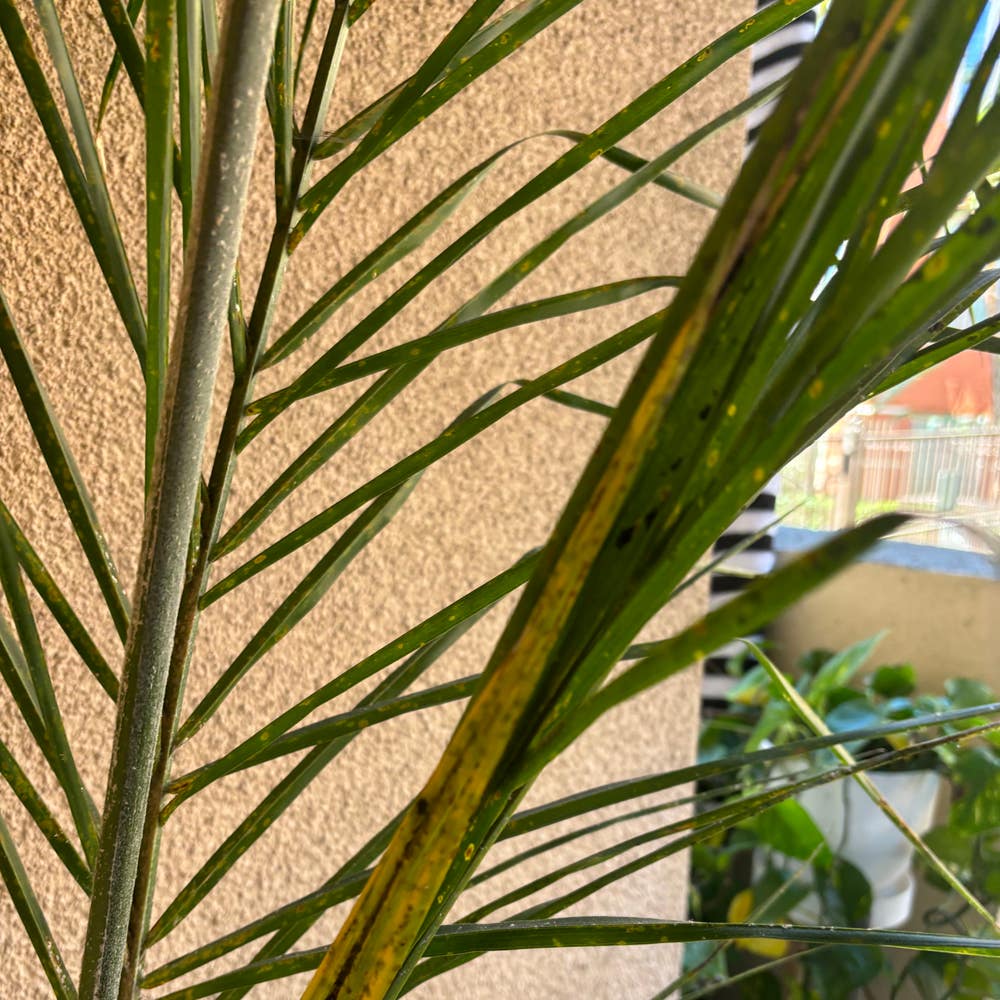
Queen palms thrive in full sun, requiring 6 to 8 hours of direct sunlight daily. Insufficient sunlight can lead to stunted growth and yellowing fronds, signaling that your palm is not getting the light it craves.
If your palm is in partial shade, it can tolerate those conditions, but be aware that this may impact its overall health and vigor. Striking the right balance in sunlight is crucial for a flourishing queen palm.
💧 Watering Queen Palm
Regular watering is essential, especially during dry spells. Typically, you should water every 1 to 2 weeks, adjusting based on rainfall and soil moisture levels.
To promote healthy root growth, deep watering is the way to go. Remember, well-draining soil is vital to avoid waterlogging, which can harm your palm's roots.
Soil and Fertilization Preferences
🌱 Best Soil Types for Queen Palm
For a thriving Queen Palm, well-draining sandy loam is your best bet. This soil composition allows for optimal root growth and prevents issues like root rot.
The ideal pH level for Queen Palms ranges from slightly acidic to neutral, specifically between 6.0 and 7.0. Maintaining this pH is crucial for nutrient absorption and overall plant health.
🌿 Fertilization for Queen Palm
When it comes to fertilization, timing is everything. During the spring and summer, aim for monthly feedings to support the growing season.
As the seasons change, reduce or stop fertilization in the fall and winter. This helps your palm conserve energy and prepares it for dormancy.
For the best results, use balanced NPK fertilizers, such as a 10-10-10 mix. Slow-release fertilizers are also a great option, providing sustained nutrients over time.
With the right soil and fertilization practices, your Queen Palm will flourish, setting the stage for a vibrant outdoor space. Next, let’s explore the planting options available for your palm.
Planting Options: Container vs Ground
🌱 Benefits of Planting in Containers
Planting Queen Palms in containers offers several advantages. First, mobility is a significant perk; you can easily relocate your palm to optimize sunlight or protect it from harsh weather.
Another benefit is the control over soil quality. You can customize the soil mix to suit your palm's needs, ensuring it thrives. Plus, containers can enhance your outdoor aesthetic, adding a touch of greenery to patios or decks.
⚖️ Drawbacks of Container Planting
However, container planting comes with its challenges. Limited root space can restrict growth, making it crucial to choose the right size pot.
Additionally, soil in containers dries out faster, leading to increased watering frequency. In colder months, you'll need to provide extra care to protect your palm from freezing temperatures.
🌳 Benefits of Planting in the Ground
On the other hand, planting in the ground allows for natural growth potential. With more space for roots to expand, your Queen Palm can reach its full size.
Ground planting also offers better moisture retention, reducing the frequency of watering. This method provides long-term stability, minimizing the risk of tipping or damage from strong winds.
🚧 Drawbacks of Ground Planting
Yet, ground planting isn't without its drawbacks. You have less control over soil quality, which may require amendments to create the ideal environment.
Moreover, your palm becomes more vulnerable to pests and diseases due to increased exposure to outdoor elements. Weather exposure is another concern; your palm may need additional protection during extreme conditions.
In summary, both planting options have their pros and cons. Consider your specific circumstances and preferences to choose the best method for your Queen Palm. Next, let’s explore how to protect your palm from weather and pests effectively.
Protection from Weather and Pests
🌬️ Strategies for Weather Protection
Weather can be unpredictable, so protecting your Queen Palm is essential.
Windbreaks are a great first line of defense. Planting nearby shrubs or trees can provide shelter from harsh winds, helping your palm thrive.
Mulching is another effective strategy. A good layer of mulch insulates the roots and helps retain moisture, keeping your palm hydrated during dry spells.
When extreme weather strikes, covering your palm with frost cloths or tarps can provide crucial protection. This simple step can prevent damage from frost or intense sun.
🐛 Common Outdoor Pests and How to Manage Them
Pests can be a real headache for your Queen Palm.
Common culprits include aphids, spider mites, and scale insects. Identifying these pests early is key to effective management.
Regular inspections are vital. Catching infestations early allows for prompt action, minimizing damage.
For treatment, consider using insecticidal soap or neem oil. These options are effective and less harmful to the environment, making them great choices for pest control.
🦠 Diseases Affecting Queen Palm and Prevention Methods
Diseases can threaten the health of your Queen Palm, but awareness is your best defense.
Fusarium wilt and root rot are two common diseases to watch for. Both can severely impact your palm's vitality if not addressed.
To prevent these issues, focus on proper watering techniques. Avoid overwatering, as it can lead to root rot.
Maintaining healthy soil and practicing good plant hygiene are also crucial. Regularly clean fallen leaves and debris to keep your palm in top shape.
With these strategies in place, your Queen Palm will be well-equipped to face the elements and pests. Next, let’s explore the seasonal care and climate considerations to ensure your palm thrives year-round.
Seasonal Care and Climate Considerations
Seasonal Changes and Their Impact on Care 🌱
Spring is a crucial time for your Queen Palm. This is when you should start fertilizing and closely monitor new growth.
As summer rolls in, increase your watering frequency and stay vigilant for pests. The heat can stress your palm, so keep an eye out for any signs of trouble.
When fall arrives, it's time to prepare for winter. Begin reducing your watering to help your palm acclimate to the cooler temperatures.
Winter brings its own challenges. Protect your palm from frost and cold winds to ensure it thrives come spring.
Special Considerations for Different Climate Zones 🌍
In tropical zones, your Queen Palm will thrive with regular watering and minimal protection. The warm climate allows for consistent growth.
Subtropical zones require a bit more attention. Adjust your watering schedule and provide winter protection to keep your palm healthy.
For those in temperate zones, container planting is often the best option. This allows for mobility and easier management during seasonal changes.
Tips for Winter Care in Colder Climates ❄️
Insulating the roots is essential in colder climates. Use mulch or protective coverings to keep the roots warm.
If your palm is in a container, consider relocating it indoors during harsh winter months. This can prevent damage from freezing temperatures.
Lastly, monitoring temperature is key. Use thermometers to track conditions and ensure your palm stays safe and sound throughout the winter.
With these seasonal care tips, your Queen Palm will flourish in any climate. Next, let’s explore how to protect it from weather extremes and pests.
⚠️ Safety First
This content is for general information and may contain errors, omissions, or outdated details. It is not medical, veterinary advice, or an endorsement of therapeutic claims.
Always consult a qualified healthcare professional before using any plant as food, medicine, or supplement.
Never eat any plant (or feed one to pets) without confirming its identity with at least two trusted sources.
If you suspect poisoning, call Poison Control (800) 222-1222, the Pet Poison Helpline (800) 213-6680, or your local emergency service immediately.
Spotted an error? Please report it here.
Ensure your queen palm flourishes with tailored care tips 🌱 from Greg, guiding you through sunlight, watering, and pest management for a vibrant outdoor display!