How to Propagate Your Mountain Marigold
Tagetes lemmonii
By the Greg Editorial Team
Mar 26, 2024•6 min read
This article was created with the help of AI so we can cover more plants for you. May contain errors. See one? Report it here.
Propagate your Mountain Marigold 🌼 effortlessly with this guide to seeds, division, and cuttings!
- 🌱 Harvest seeds carefully and sow in damp soil with indirect sunlight.
- Divide in spring when plants are cramped; use sterilized tools.
- Layering stimulates roots while attached; separate when ready.
Sowing the Future: Propagating from Seeds
🌼 Collecting the Gold
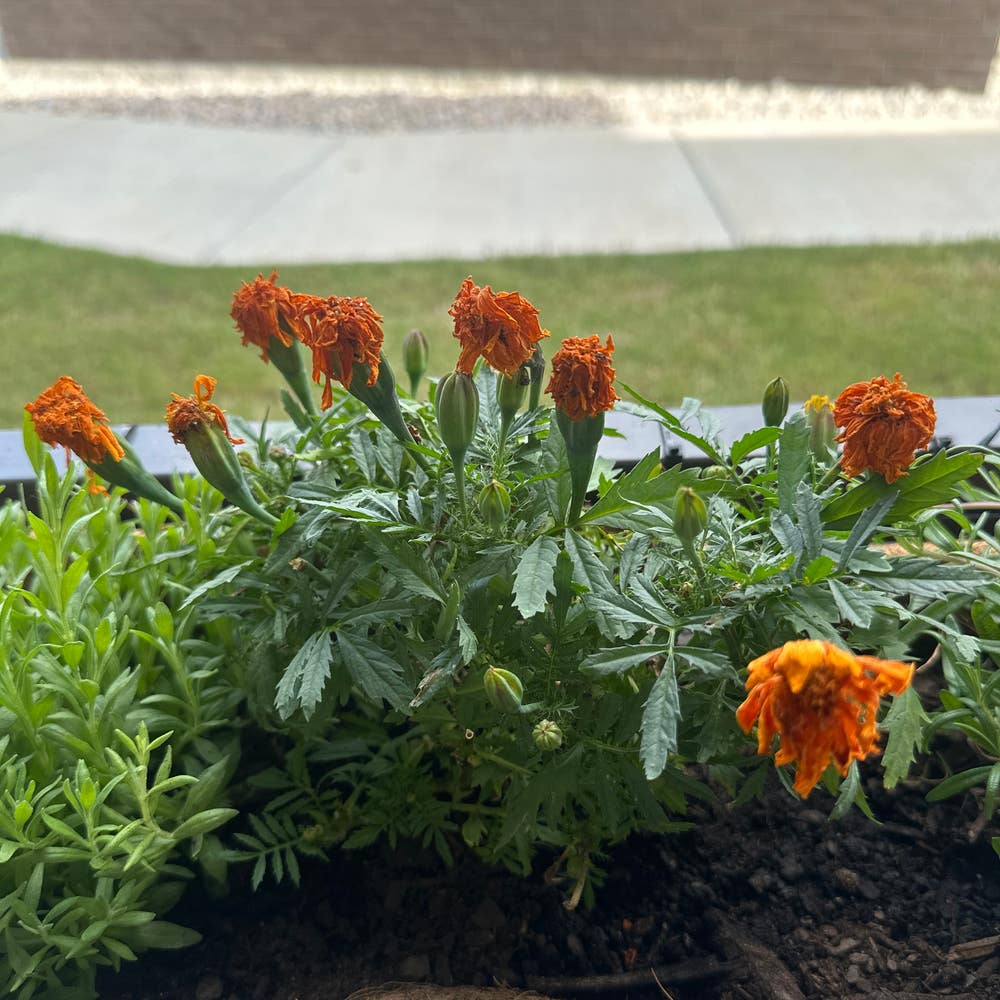
Harvesting seeds from your Mountain Marigold is a treasure hunt in your own backyard. Wait for the flowers to fade and dry, then snip them off. Crumble the dried blooms over a sheet of paper to separate the seeds. Store them in a cool, dry place, like a glass jar or a paper envelope, away from the light-thieving hands of moisture.
🌱 Planting the Seed of Success
Germination is the game, and patience is the name. Sow your marigold seeds in a seed-starting mix, ensuring they're just beneath the surface. They crave warmth and moisture, so keep the soil consistently damp, not drenched. Cover with plastic wrap to create a greenhouse effect, but don't let them bake. Place them in a spot with indirect sunlight and wait for nature to do its thing. Once seedlings muster the courage to emerge, transplant them with care, giving them space to stretch their roots.
Multiplying Marigolds: Division Propagation
⏰ When to Divide and Conquer
Spring is the sweet spot for division. Look out for your Mountain Marigold beginning to feel a bit cramped or if you spot roots making a break for it out of the drainage holes. That's nature's nudge telling you it's time to give your plants some breathing room.
🛡️ The Art of Division
First, arm yourself with a sharp, sterilized knife or scissors. You're about to get your hands dirty, so maybe do a quick chant for a green thumb if that's your thing.
Step 1: Unearth the Treasure
Gently dig around your Mountain Marigold, preserving as much of the root ball as possible. It's like defusing a bomb, but with more dirt and less risk of explosion.
Step 2: The Split
Now, divide the clump into sections, each with a fair share of roots and shoots. It's like sharing a pie; everyone should get a piece with some of the good stuff.
Step 3: New Homes
Plant your new divisions either in pots or back into the garden. They should have companions but also their own space—think roommates, not bunk beds.
Step 4: Watering Ritual
Give them a good soak immediately after planting. It's like a welcome drink for your new plant babies. Helps with the transplant shock, which is a real thing, not just a plant myth.
Remember, the right timing and a bit of care can turn one Mountain Marigold into a whole family of them. It's like cloning, but legal and with more dirt.
Cloning Your Blooms: Stem Cuttings
🏆 Selecting Your Champions
To kickstart propagation, scrutinize your Mountain Marigold for the healthiest stems. Vigorous growth, free from pests and diseases, is your golden ticket.
🧼 Rooting for Success
Sterilize your cutting tools before making the cut; a clean, sharp snip below a leaf node is what you're aiming for. Remove lower leaves to prevent rot and stand by for rooting magic.
🌱 Rooting Mediums and Techniques
Choose a well-draining medium; perlite, vermiculite, or a mix with peat works wonders. For an edge, consider dipping the cut end in rooting hormone—it's not a must, but it's a nifty trick.
🚰 Water vs. Soil
You can root in water or soil. If you go aquatic, use filtered water, and keep those leaves dry. In soil, maintain consistent moisture—think damp sock, not soaked sponge.
🌞 Light and Patience
Provide bright, indirect light and let time do its thing. Roots are shy and take a while to show up to the party. When they do, it's time to pot them up and watch your marigolds multiply.
Layering: A Natural Approach
🌱 Encouraging Roots Naturally
Layering is a propagation technique that triggers root growth on a stem while it's still attached to the parent plant. It's a hands-off yet effective method, akin to giving the stem a little nudge and watching it take root on its own.
🌿 Selecting the Right Stem
Choose a flexible stem with fresh growth; these are more responsive to rooting.
🌱 Initiating Root Growth
Wound the stem by notching or peeling a small section of bark. This signals the plant to start repairing, which in turn stimulates root development.
🌱 Securing the Stem
Pin the wounded part of the stem down into the soil. Use a U-shaped wire or a heavy rock to keep it in place. Make sure a node is in contact with the soil, as this is where the roots will emerge.
🌱 Creating the Right Environment
Cover the area with a thin layer of organic mulch to maintain moisture and temperature, creating a cozy little microclimate for your future roots.
🌱 Transitioning to Independence
Once the roots have formed, it's time to separate the new plant from its parent.
🌱 Making the Cut
Use a sharp knife to cut below the new roots. This is the stem's emancipation moment—handle with care.
🌱 Planting Your New Marigold
Immediately transplant your new Mountain Marigold into its own pot or garden space. Ensure consistent moisture to help it settle into its new home.
🌱 Aftercare
Keep an eye on the young plant, maintaining soil moisture and protecting it from harsh conditions as it establishes. It's like sending a kid off to college—offer support but let it grow independently.
Ensuring Propagation Success and Solving Problems
🌱 Cultivating the Perfect Environment
Creating the ideal environment for Mountain Marigold propagation is like setting the stage for a hit show. It's all about the ambiance.
- Moisture: Keep it damp, not soggy. Think wrung-out sponge, not a wet dog.
- Light: Aim for the sweet spot of bright, indirect sunlight. No sunburns, no gloom.
- Temperature: Consistency is key. Avoid the extremes of a sauna or a freezer.
- Airflow: It's the unsung hero. Good circulation keeps the fungal drama at bay.
🛠 Overcoming Propagation Pitfalls
When it comes to propagation, expect some hiccups. Here's how to troubleshoot like a pro.
- Root Rot: If your soil feels like a swamp, you've overdone the waterworks. Dial it back.
- Fungal Foes: Spot mold? Crank up the airflow and cut the humidity. It's not a spa day.
- Light Laments: Leggy plants? They're reaching for more light. Scorched leaves? Too much sun.
- Temperature Tantrums: If your cuttings are sulking, check for drafts or heat sources. They're picky about their comfort zone.
Remember, propagation is a marathon, not a sprint. Stay vigilant, keep your tools clean, and give those plants the TLC they crave. Every mishap is a lesson, so keep your detective's notebook handy and adjust as you go. Happy propagating!
⚠️ Safety First
This content is for general information and may contain errors, omissions, or outdated details. It is not medical, veterinary advice, or an endorsement of therapeutic claims.
Always consult a qualified healthcare professional before using any plant as food, medicine, or supplement.
Never eat any plant (or feed one to pets) without confirming its identity with at least two trusted sources.
If you suspect poisoning, call Poison Control (800) 222-1222, the Pet Poison Helpline (800) 213-6680, or your local emergency service immediately.
Spotted an error? Please report it here.
Patience pays off in propagation 🌱 - let Greg remind you when to water and offer tailored care tips to ensure your Mountain Marigold cuttings thrive every step of the way!