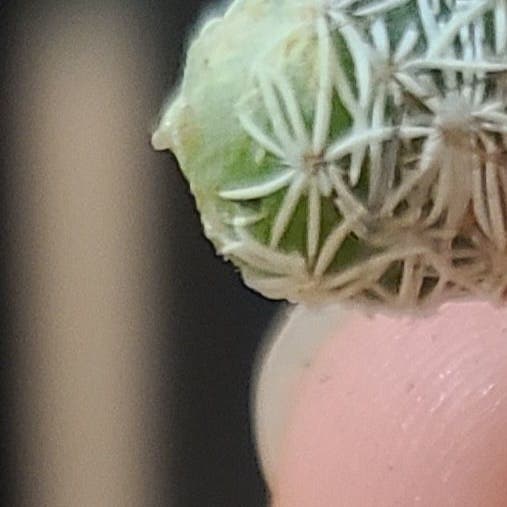
🌵 How to Care for Your Poselger's Cory Cactus in Winter
Coryphantha poselgeriana
By the Greg Editorial Team
Sep 28, 2024•4 min read
This article was created with the help of AI so we can cover more plants for you. May contain errors. See one? Report it here.
Help your Poselger's Cory Cactus thrive this winter 🌨️ with essential care tips for a vibrant spring recovery! 🌱
- 💧 Water Poselger's Cory Cactus every 4-6 weeks during winter dormancy to prevent rot.
- ❄️ Maintain temperatures between 10°C to 15°C for optimal winter health.
- 🌱 Avoid fertilizing in winter; wait until spring for new growth support.
Winter Care Requirements
Adjusting watering schedules during dormancy 🌵
During winter dormancy, it's crucial to adjust your watering schedule for your Poselger's Cory Cactus. Reduce watering to once every 4-6 weeks to prevent overwatering.
Watch for signs of overwatering, such as yellowing or mushy stems. Keeping the soil dry is essential to prevent root rot during this dormant period.
Fertilizing needs in winter ❄️
Fertilization is not necessary during the winter months. Your cactus is dormant, so hold off on feeding it until spring.
When spring arrives, choose low-nitrogen fertilizers to support new growth. Dormant plants simply don’t require nutrients, so less is more during this time.
Indoor care tips for winter 🏠
For indoor care, aim for bright, indirect light and cool temperatures. This creates an ideal environment for your cactus to thrive.
Keep humidity levels low to prevent rot, and be mindful of placement. Avoid drafts and heat sources to maintain a stable temperature for your plant.
By following these winter care requirements, you’ll set your Poselger's Cory Cactus up for a healthy spring recovery. Next, let’s explore effective frost protection strategies to keep your cactus safe during the colder months.
Frost Protection Strategies
🧣 Methods to Protect from Frost
Keeping your Poselger's Cory Cactus safe from frost is essential for its health. Start by covering your plants with frost cloths or blankets during cold nights to provide an extra layer of insulation.
If your cactus is in a pot, consider relocating it indoors or to a sheltered area. This simple move can make a significant difference in protecting it from harsh winter conditions.
Another effective method is mulching. Apply a layer of mulch around the base of your cactus to help retain warmth and protect the roots from freezing temperatures.
❄️ Signs of Frost Damage and How to Address Them
Even with precautions, frost damage can still occur. Look for symptoms like discoloration, a mushy texture, or blackened areas on your cactus.
If you notice these signs, act quickly. Remove any damaged parts and allow the plant to dry out to prevent further issues.
For long-term care, keep an eye on your cactus for signs of recovery. Adjust your watering schedule accordingly to support its healing process.
By taking these steps, you can help your Poselger's Cory Cactus thrive through winter and emerge ready for spring.
Cold Hardiness and Temperature Management
Ideal Temperature Range for Winter 🌡️
For your Poselger's Cory Cactus, the optimal winter temperature is between 10°C to 15°C (50°F to 59°F). While these cacti can handle brief drops to -5°C (23°F), it's crucial to provide protection during colder spells.
Cold Hardiness of Poselger's Cory Cactus ❄️
This cactus thrives in USDA hardiness zones 9-11, making it suitable for warmer climates. Its thick skin and spines are not just for show; they play a vital role in minimizing moisture loss during chilly months.
Understanding these temperature needs is essential for keeping your cactus healthy through winter. With the right care, your Poselger's Cory Cactus will emerge vibrant and ready for spring.
Spring Preparation and Recovery
🌱 Signs of Recovery from Winter Damage
As winter fades, your Poselger's Cory Cactus will start to show signs of life. Look for fresh shoots or buds emerging, signaling that your plant is ready to thrive again.
Another indicator is color restoration. If you notice a return to vibrant green or the cactus's characteristic hues, that's a great sign.
Don’t forget to check the roots when repotting. Firm roots indicate good health, while mushy ones may suggest lingering issues from winter.
🌼 Preparing for Spring Growth After Winter Dormancy
To help your cactus transition into spring, gradually reintroduce it to light. Over the course of 1-2 weeks, increase its light exposure to avoid shocking the plant.
As temperatures rise, it's time to resume your regular watering schedule. This will help rehydrate the cactus after its dormancy.
Finally, consider your fertilizing schedule. Start with a diluted fertilizer to support new growth, ensuring your cactus has the nutrients it needs to flourish.
With these steps, your Poselger's Cory Cactus will be well on its way to a vibrant spring! Next, let’s explore how to ensure your cactus thrives throughout the warmer months.
⚠️ Safety First
This content is for general information and may contain errors, omissions, or outdated details. It is not medical, veterinary advice, or an endorsement of therapeutic claims.
Always consult a qualified healthcare professional before using any plant as food, medicine, or supplement.
Never eat any plant (or feed one to pets) without confirming its identity with at least two trusted sources.
If you suspect poisoning, call Poison Control (800) 222-1222, the Pet Poison Helpline (800) 213-6680, or your local emergency service immediately.
Spotted an error? Please report it here.
Keep your Poselger's Cory Cactus thriving this winter ❄️ with Greg's tailored watering reminders and expert care tips to set the stage for a vibrant spring recovery!