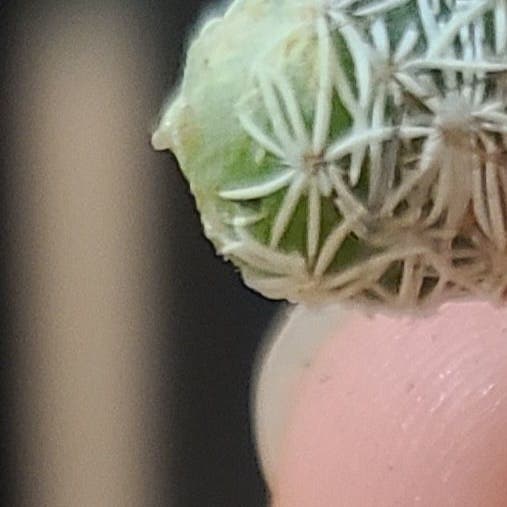
🐞 What To Do About Bugs on My Coryphantha poselgeriana?
Coryphantha poselgeriana
By the Greg Editorial Team
Apr 21, 2024•2 min read
This article was created with the help of AI so we can cover more plants for you. May contain errors. See one? Report it here.
Shield your cactus 🌵 from bug battles with top-notch defense tips that ensure plant victory!
- 🕸️ Spider mites leave webbing; treat with insecticidal soap or neem oil.
- Scale insects as bumps; remove with alcohol or ladybugs.
- 🚫 Prevent pests with dry soil, regular check-ups, and quarantining new plants.
Spotting the Enemy: Identifying Common Pests
🕷️ Spider Mites
Webbing on your Coryphantha poselgeriana? You've got spider mites. These pests are tiny, but their impact is huge, leaving behind a speckled, damaged plant.
🛡️ The battle plan:
Fight back with insecticidal soap or neem oil. Consistency in treatment is your best weapon against these stealthy invaders.
🦟 Scale Insects
Notice bumps on stems and leaves? That's scale. They're sneaky, blending in as part of the plant while secreting sticky honeydew.
🛡️ Tactics for removal:
Alcohol swabs can dislodge them, or go natural with ladybugs who love to feast on these pests.
🦟 Fungus Gnats and Fruit Flies
If you're swatting at tiny flies, your soil's too wet. Fungus gnats and fruit flies are a sign of overwatering and poor drainage.
🛡️ Ground control:
Dry out your soil and trap them with yellow sticky cards. Bacillus thuringiensis is a biological larvicide that's also effective.
🦟 Mealybugs
Fluffy, white deposits nestled in your cactus's nooks? Hello, mealybugs. They're the party guests who overstay their welcome.
🛡️ Countermeasures:
Dab them with alcohol on a cotton swab or spray with neem oil. Good airflow around your plant can prevent their return.
The Prevention Playbook
🌿 Regular Plant Check-ups
Inspect your Coryphantha poselgeriana regularly—think of it as a health checkup. Look for unusual marks, pests, or signs of disease. Catching issues early is key to prevention.
🚫 Quarantine for Newcomers
New plants can be Trojan horses for pests. Isolate them for at least two weeks to ensure they're not harboring any unwelcome guests before introducing them to your collection.
💧 Soil and Water Wisdom
Overwatering is an open invitation to pests. Allow the soil to dry out between waterings and refresh the topsoil periodically to discourage unwanted visitors.
🐞 Allies in the Fight
Nature's got your back. Introduce beneficial insects like ladybugs to combat pests naturally. It's like having your own garden security team.
⚠️ Safety First
This content is for general information and may contain errors, omissions, or outdated details. It is not medical, veterinary advice, or an endorsement of therapeutic claims.
Always consult a qualified healthcare professional before using any plant as food, medicine, or supplement.
Never eat any plant (or feed one to pets) without confirming its identity with at least two trusted sources.
If you suspect poisoning, call Poison Control (800) 222-1222, the Pet Poison Helpline (800) 213-6680, or your local emergency service immediately.
Spotted an error? Please report it here.
Keep your Coryphantha poselgeriana bug-free 🌵 with Greg's tailored reminders for check-ups and the ideal watering schedule!