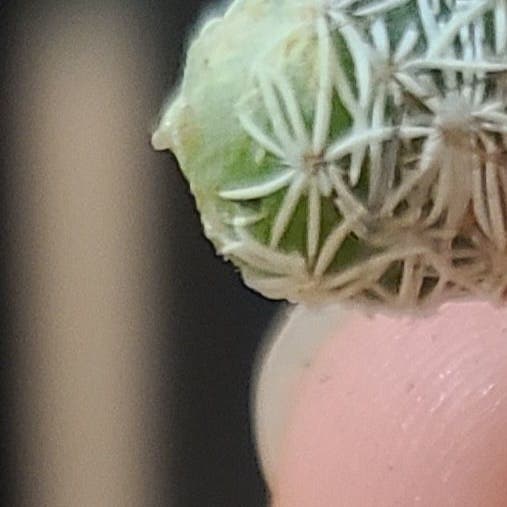
Poselger's Cory Cactus: Not an Invasive Plant 🌵
Coryphantha poselgeriana
By the Greg Editorial Team
Sep 28, 2024•5 min read
This article was created with the help of AI so we can cover more plants for you. May contain errors. See one? Report it here.
Elevate your garden's beauty and biodiversity 🌱 with Poselger's Cory Cactus—an eco-friendly choice for vibrant spaces!
- 🌵 Poselger's Cory Cactus thrives in warm weather and prefers well-drained soils.
- 🐝 Attracts beneficial insects and supports local wildlife, enhancing garden biodiversity.
- 🌍 Non-invasive nature promotes harmony with native plants, fostering sustainable gardening practices.
Growth Habits
Typical Patterns in Gardens 🌱
Poselger's Cory Cactus exhibits a moderate growth rate, characterized by a defined structure that adds visual interest to any garden. During warmer months, it thrives and actively grows, while it enters a dormant phase in cooler temperatures.
Natural Limits to Growth and Spread Potential 🌍
This cactus flourishes in well-drained soils and full sun, which naturally limits its spread in less suitable environments. Additionally, its growth is constrained by factors like water availability and soil type, making it a manageable choice for garden settings.
By understanding these growth habits, gardeners can effectively incorporate Poselger's Cory Cactus into their designs while ensuring it remains a non-invasive addition. Next, we’ll explore its ecological role and the benefits it brings to local wildlife.
Ecological Role
🦋 Benefits to Local Wildlife
Poselger's Cory Cactus plays a vital role in supporting local wildlife. Its spines provide essential shelter for small animals and insects, creating a safe haven in the garden.
Additionally, the cactus's vibrant flowers attract bees and other beneficial insects. This not only enhances biodiversity but also supports the overall health of the ecosystem.
🌱 Interactions with Other Plants
This cactus thrives alongside other native plants, fostering complementary relationships. By coexisting harmoniously, it contributes to a balanced ecosystem that benefits all species involved.
Moreover, Poselger's Cory Cactus improves soil health through its robust root system. It enhances soil structure and nutrient availability, making it a valuable addition to any garden.
Incorporating this cactus into your garden not only beautifies the space but also enriches the local environment. As we explore its garden management next, consider how these ecological benefits can influence your design choices.
Garden Management
Incorporating into Garden Designs 🌵
Poselger's Cory Cactus fits beautifully in various garden styles. Consider using it in rock gardens or xeriscaping, where its unique structure can shine as a focal point.
Pairing it with drought-tolerant plants creates a cohesive look. This not only enhances aesthetics but also promotes a sustainable garden environment.
Aesthetic Considerations for Placement 🎨
The visual appeal of Poselger's Cory Cactus lies in its unique shapes and textures. These elements add depth and interest to any garden layout.
Additionally, its flowers and spines provide year-round visual diversity. This seasonal interest keeps your garden vibrant and engaging throughout the year.
Methods for Controlling Growth if Necessary ✂️
If you find the cactus growing more than you'd like, regular pruning is essential. This technique helps maintain its desired size and shape, ensuring it fits well within your garden design.
Monitoring environmental conditions is also crucial. By assessing factors like sunlight and water availability, you can prevent unwanted spread and keep your garden looking its best.
Incorporating Poselger's Cory Cactus into your garden not only enhances its beauty but also supports a thriving ecosystem. Next, let’s explore how this cactus interacts with other plants in your garden.
Comparison to Other Plants
🌵 Similar Non-Invasive Plants
When considering non-invasive cacti and succulents for your garden, several options stand out. Varieties like the Haworthia and Echinopsis not only thrive in similar conditions but also share a low-maintenance appeal.
These plants typically exhibit moderate growth rates and can adapt well to various soil types. Their ecological roles often mirror those of Poselger's Cory Cactus, providing habitat and food for local wildlife while enhancing biodiversity.
✨ Unique Qualities
Poselger's Cory Cactus boasts distinctive features that set it apart from other cacti. Its unique spines and structured growth form create a striking visual presence in any garden.
Moreover, its non-invasive nature means it won’t overrun your space, allowing for a harmonious coexistence with other plants. This quality makes it an excellent choice for sustainable gardening, promoting a balanced ecosystem without the worry of aggressive spread.
Incorporating Poselger's Cory Cactus into your landscape not only enhances its beauty but also supports local wildlife. As you explore your gardening options, consider how this cactus can contribute to a thriving, diverse environment.
Next, let’s delve into the legal and environmental considerations surrounding the planting of native cactus species.
Legal and Environmental Considerations
Relevant Classifications and Guidelines 🌱
When planting native cactus species like Poselger's Cory Cactus, it's essential to be aware of local regulations. Many regions have guidelines to protect native flora and fauna, ensuring that gardening practices support local ecosystems.
Adhering to these guidelines not only promotes sustainable gardening but also fosters a sense of community responsibility. By following local regulations, you contribute to the preservation of biodiversity and the health of your environment.
Sustainable Gardening Practices ♻️
Incorporating native plants into your garden design is a fantastic way to create an eco-friendly space. Native species, including Poselger's Cory Cactus, are well-adapted to local conditions, making them easier to maintain and more resilient.
Using native plants significantly reduces water usage, as they require less irrigation compared to non-native species. This not only conserves water but also supports local wildlife, enhancing the overall health of your garden ecosystem.
Transitioning to sustainable practices can be both rewarding and impactful. By choosing native plants, you're not just beautifying your space; you're also playing a vital role in nurturing the environment.
⚠️ Safety First
This content is for general information and may contain errors, omissions, or outdated details. It is not medical, veterinary advice, or an endorsement of therapeutic claims.
Always consult a qualified healthcare professional before using any plant as food, medicine, or supplement.
Never eat any plant (or feed one to pets) without confirming its identity with at least two trusted sources.
If you suspect poisoning, call Poison Control (800) 222-1222, the Pet Poison Helpline (800) 213-6680, or your local emergency service immediately.
Spotted an error? Please report it here.
Cultivate the stunning Poselger's Cory Cactus 🌵 and boost your garden's biodiversity with Greg's tailored care tips, ensuring it thrives harmoniously without becoming invasive!