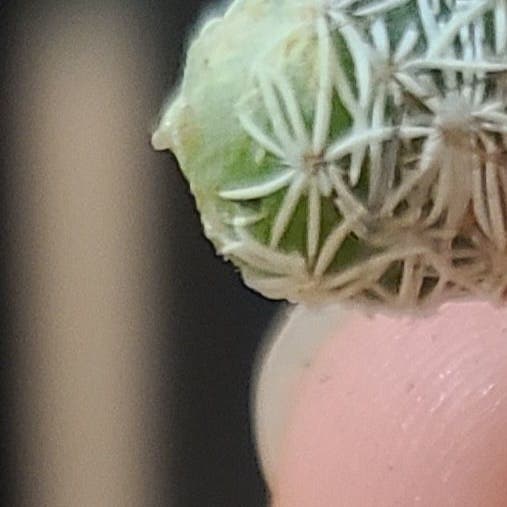
Black Spots on My Coryphantha poselgeriana Leaves
Coryphantha poselgeriana
By the Greg Editorial Team
Apr 21, 2024•3 min read
This article was created with the help of AI so we can cover more plants for you. May contain errors. See one? Report it here.
Banish black spots 🕵️♂️ on your cactus with this ultimate guide to a healthier Coryphantha poselgeriana! 🌵
- 🌵 Fungal infections and pests often cause black spots on cacti.
- Adjust watering and sunlight to prevent and treat black spots.
- Regular inspections and good air circulation help keep cacti healthy.
Spotting the Culprit: Identifying and Diagnosing Black Spots
🕵️ What Do Black Spots Look Like?
Black spots on your Coryphantha poselgeriana are like red flags; they demand attention. Circular or angular in shape, they often begin as tiny specks and can grow into larger blotches, usually with a distinct border. They're a visual SOS from your cactus.
🕵️ The Usual Suspects
The common causes of these blemishes range from fungal infections to pest invasions. Overwatering your cactus? You're practically rolling out the red carpet for these issues. Too much sun or too little can also stress your plant into submission, leading to those unsightly spots.
🕵️ Sherlock Holmes Your Plant
Time to channel your inner detective. Start by inspecting the underside of leaves; that's where trouble likes to hide. Use a magnifying glass to spot the tiny invaders. If you're dealing with a fungal fiesta, you might notice a powdery halo around the spots. Pests? They're more hit-and-run, leaving behind damage without the fancy borders. Environmental stress often results in a more random pattern. If you hit a dead end, don't hesitate to consult a plant pathologist—think of them as the CSI of the plant world.
The Battle Plan: Treating Black Spots
🍄 Fungus Among Us: Tackling Fungal Infections
Fungicides are your first line of defense against the fungal invaders causing black spots on your Coryphantha poselgeriana. Protectant fungicides work as a barrier for plants not yet infected or in the early stages of infection. For more advanced cases, systemic fungicides are absorbed into the plant's system, attacking the fungus from within. Always apply with sniper-like precision, targeting affected areas without overdoing it. And remember, the label isn't just a sticker; it's the rulebook.
💧 Drying Out: Correcting Overwatering Mishaps
If overwatering is your crime, the punishment is a strict watering regimen. Let the soil dry out to the consistency of a wrung-out sponge before giving your cactus another drink. Adjust your watering habits to ensure the soil is moist but never swampy. This isn't just a tweak; it's a lifestyle change for your plant.
🐜 Bug Off: Dealing with Pest Infestations
Pests are the party crashers nobody wants. To kick them out, identify the culprits first—whether they're aphids, mealybugs, or spider mites. Once you've got a name to the face, select the appropriate pest control method. Chemical treatments are an option, but so are beneficial insects that treat your plant like an all-you-can-eat buffet. Apply treatments with care and consistency, because in this battle, it's the thorough who inherit the earth.
Fortifying Your Cactus: Preventing Future Black Spots
💧 Water Wisely
Proper watering is crucial in preventing black spots. Water your Coryphantha poselgeriana at the base to keep the leaves dry, reducing the risk of fungal issues. Allow the soil to fully dry before watering again, mimicking the natural dry periods the cactus would experience in the wild.
💨 Circulate the Air, Not the Spores
Good air circulation is a key defense against black spots. Ensure your cactus isn't stuck in a stagnant corner; it needs a breezy environment. If indoors, consider using a fan to keep the air moving, making it harder for spores to settle and thrive.
👩⚕️ Regular Plant Check-ups
Routine inspections of your cactus can catch early signs of trouble. Look for changes in color or texture that might indicate the onset of black spots. Quarantine new plants to prevent any potential spread of disease, and always keep your gardening tools clean to avoid cross-contamination.
⚠️ Safety First
This content is for general information and may contain errors, omissions, or outdated details. It is not medical, veterinary advice, or an endorsement of therapeutic claims.
Always consult a qualified healthcare professional before using any plant as food, medicine, or supplement.
Never eat any plant (or feed one to pets) without confirming its identity with at least two trusted sources.
If you suspect poisoning, call Poison Control (800) 222-1222, the Pet Poison Helpline (800) 213-6680, or your local emergency service immediately.
Spotted an error? Please report it here.
Banish black spots and keep your cactus thriving 🌵 with Greg's tailored care advice, ensuring the perfect watering and sunlight balance for your Coryphantha poselgeriana!