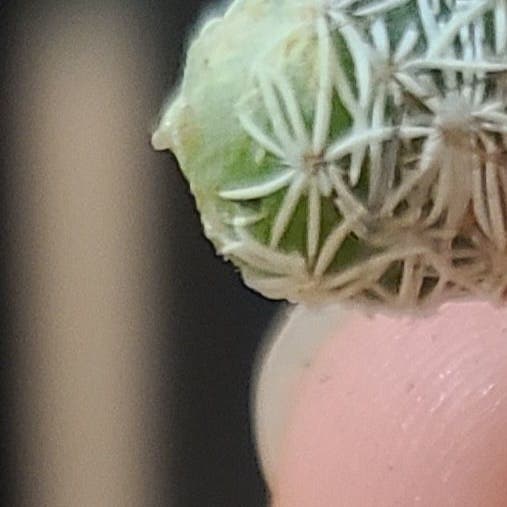
🌵 4 Indoor Poselger's Cory Cactus Care Hacks
Coryphantha poselgeriana
By the Greg Editorial Team
Sep 28, 2024•4 min read
This article was created with the help of AI so we can cover more plants for you. May contain errors. See one? Report it here.
Elevate your indoor garden with a thriving Poselger's Cory Cactus using these essential care tips! 🌵✨
- 🌞 Poselger's Cory Cactus needs 6-8 hours of bright, indirect sunlight daily.
- 💧 Water every 2-3 weeks; signs of over/underwatering include yellowing or wrinkled skin.
- 🌱 Use well-draining soil and fertilize every 4-6 weeks for optimal growth.
Light Requirements
Ideal Conditions for Indoor Growth 🌞
To thrive indoors, your Poselger's Cory Cactus needs 6-8 hours of bright, indirect sunlight daily. If you notice stretched growth, pale coloration, or reduced spine density, it’s a clear sign that your cactus isn’t getting enough light.
Role of Grow Lights and How to Choose 💡
When natural light falls short, grow lights become essential. They help supplement light during shorter days or in dimly lit spaces.
Types of Grow Lights Suitable for Cacti
- LED Grow Lights: These are energy-efficient and have a long lifespan, making them a popular choice.
- Full-Spectrum Fluorescent Lights: They mimic natural sunlight, providing a balanced light spectrum for healthy growth.
Choosing the Right Grow Light
- Wattage: Aim for 20-40 watts for small to medium-sized plants.
- Distance from Plant: Keep the light 12-24 inches away to avoid burning your cactus.
By ensuring your cactus receives the right light, you set the stage for vibrant growth and resilience. Next, let’s dive into the watering needs that will keep your plant hydrated and happy.
Watering Needs
Frequency and Method 🌊
Watering your Poselger's Cory Cactus is straightforward. During the growing season, which spans spring and summer, aim to water every 2-3 weeks.
Utilize the soak and dry technique for optimal results. Water thoroughly until it drains from the bottom, then let the soil dry completely before the next watering.
Signs of Overwatering and Underwatering 🚨
Recognizing the signs of overwatering is crucial for your cactus's health. Look for yellowing stems, a mushy texture, and root rot as key indicators.
On the flip side, underwatering can also pose problems. Watch for wrinkled skin, stunted growth, and browning spines to gauge if your cactus needs more hydration.
Understanding these watering needs will help you maintain a thriving indoor cactus. Next, let’s explore the ideal humidity and temperature conditions for your plant's growth.
Humidity and Temperature
Optimal Levels for Indoor Growth 🌱
Maintaining the right humidity is crucial for your Poselger's Cory cactus. Aim for a relative humidity of 30-50% to keep your cactus thriving.
To control humidity, consider using a dehumidifier or placing your cactus in a well-ventilated area. This simple adjustment can make a significant difference in your plant's health.
Temperature Range for Healthy Growth 🌡️
Your cactus prefers a cozy temperature between 20°C to 30°C (68°F to 86°F) during the day. At night, a slightly cooler environment is beneficial.
Be cautious of cold temperatures; protect your cactus from anything below 10°C (50°F) to prevent damage. Keeping these conditions in check will help your cactus flourish indoors.
With humidity and temperature under control, you're well on your way to creating an ideal environment for your cactus. Next, let’s explore the best soil types and fertilization strategies to further enhance its growth.
Soil and Fertilization
🌱 Best Soil Types
Choosing the right soil is crucial for your Poselger's Cory Cactus. A well-draining cactus mix is ideal, but you can also create your own blend using potting soil, sand, and perlite in a 2:1:1 ratio.
Proper drainage is essential. It prevents root rot and promotes healthy growth, ensuring your cactus thrives in its indoor environment.
📅 Fertilization Schedule
Fertilizing your cactus is key to its vitality. Aim to fertilize every 4-6 weeks during the growing season to provide essential nutrients.
Opt for a balanced, water-soluble cactus fertilizer with an NPK ratio of 10-10-10. To avoid fertilizer burn, dilute it to half the recommended strength before application.
By following these soil and fertilization tips, you’ll set your Poselger's Cory Cactus up for success. Next, let’s explore how to identify and prevent common issues that may arise in your cactus care journey.
Common Issues and Solutions
🐛 Identifying and Preventing Pests
Indoor Poselger's Cory Cacti can fall prey to pests like mealybugs, spider mites, and scale insects. Regular inspections are crucial; check the undersides of leaves and the soil for any signs of these unwanted guests.
To keep your cactus healthy, maintain cleanliness around the plant. A simple wipe down of the leaves can deter pests. Additionally, consider using neem oil as a natural pesticide; it's effective and safe for your plant.
🌱 Troubleshooting Growth Issues
If your cactus is showing stunted growth, it might be root-bound. Check the pot size; if the roots are cramped, it’s time to repot into a larger container.
Discoloration can also signal problems. Assess your light levels and watering practices; too much or too little of either can lead to unhappy plants. Adjust accordingly to get your cactus thriving again.
With these tips, you can tackle common issues head-on and keep your Poselger's Cory Cactus flourishing. Next, let’s explore the best soil types and fertilization strategies to further enhance your cactus care.
⚠️ Safety First
This content is for general information and may contain errors, omissions, or outdated details. It is not medical, veterinary advice, or an endorsement of therapeutic claims.
Always consult a qualified healthcare professional before using any plant as food, medicine, or supplement.
Never eat any plant (or feed one to pets) without confirming its identity with at least two trusted sources.
If you suspect poisoning, call Poison Control (800) 222-1222, the Pet Poison Helpline (800) 213-6680, or your local emergency service immediately.
Spotted an error? Please report it here.
Keep your Poselger's Cory Cactus thriving 🌵 with Greg's tailored watering reminders and light tips to ensure it flourishes in your home!