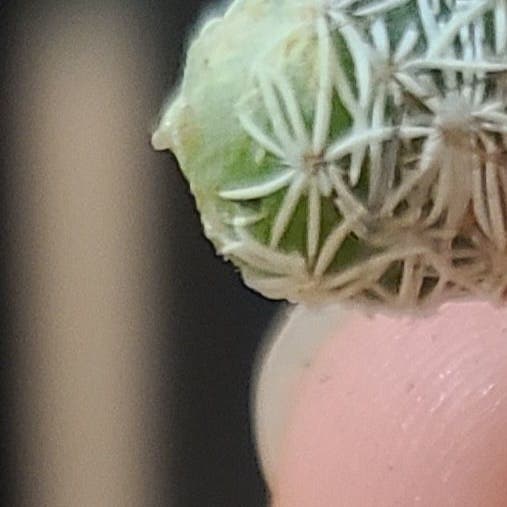
5 Tips for How to Plant Your Poselger's Cory Cactus 🌵
Coryphantha poselgeriana
By the Greg Editorial Team
Sep 28, 2024•5 min read
This article was created with the help of AI so we can cover more plants for you. May contain errors. See one? Report it here.
Transform your garden with expert tips on planting and transplanting Poselger's Cory cactus! 🌱✨
- 🌱 Differentiate planting new vs. transplanting for optimal Poselger's Cory care.
- 🌞 Spring and early summer are the best times to plant for growth.
- 💧 Use well-draining soil and allow soil to dry between waterings for health.
Key Considerations for Planting Poselger's Cory Cactus
Planting vs. Transplanting 🌱
Understanding the difference between planting new Poselger's Cory cacti and transplanting established ones is crucial. Planting involves placing a new cactus into the ground or a pot, while transplanting refers to moving an existing cactus to a new location.
Each method has its own benefits and drawbacks. Planting new cacti is often less expensive and allows for greater adaptability to local conditions. However, it may take longer for the cactus to mature. On the other hand, transplanting can provide immediate visual impact but requires careful handling to avoid damaging the roots.
Cost, Time to Maturity, and Adaptability 💰
When considering costs, planting new cacti usually involves lower initial expenses. Yet, the time to maturity can vary significantly; newly planted cacti may take a season or two to thrive fully.
Transplanting established cacti can be more costly due to the need for specialized tools and techniques. However, if done correctly, it can lead to quicker establishment in the new environment, making it a worthwhile investment.
In summary, both planting and transplanting have unique advantages. Your choice will depend on your specific goals, budget, and the conditions of your garden.
With these foundational considerations in mind, you're better equipped to make informed decisions about your Poselger's Cory cactus journey. Next, let’s dive into the specifics of planting new cacti for optimal growth.
Planting New Poselger's Cory Cactus
🌱 Optimal Timing for Planting
Spring and early summer are the best seasons to plant your Poselger's Cory Cactus. This timing aligns perfectly with the cactus growth cycle, allowing for robust establishment.
Avoid planting during extreme temperatures, as this can hinder successful growth. A moderate climate will help your cactus thrive.
🪴 Selecting Soil Mix and Containers
For optimal growth, use a well-draining soil mix. A blend of sand, perlite, and potting soil works wonders for your cactus.
When choosing containers, ensure they have drainage holes. The size of the pot should correspond to the size of your cactus, allowing enough room for growth.
📏 Proper Depth and Spacing
Plant your cactus at the same depth it was in the nursery container. This consistency helps minimize shock and promotes healthy growth.
Maintain a minimum spacing of 12-18 inches between cacti. This spacing allows for adequate air circulation, reducing the risk of disease.
☀️ Maintaining Ideal Growing Conditions
Your Poselger's Cory Cactus thrives in full sun exposure. Ensure it receives plenty of light for optimal growth.
After planting, water lightly, then allow the soil to dry out completely between waterings. This approach mimics the cactus's natural habitat and prevents overwatering.
🌳 Hardening Off Process
Hardening off is crucial for acclimating your cactus to outdoor conditions. This gradual process helps it adjust to its new environment.
Start by exposing your cactus to outdoor conditions for a few hours each day. Gradually increase this exposure over 1-2 weeks to ensure a smooth transition.
With these tips, you’re well on your way to successfully planting your Poselger's Cory Cactus. Next, let’s explore how to transplant established cacti for optimal growth.
Transplanting Established Poselger's Cory Cactus
🌱 Optimal Timing for Transplanting
Transplanting your Poselger's Cory cactus is best done in late spring to early summer. This timing aligns with the cactus's active growth phase, ensuring a smoother transition.
Avoid transplanting during extreme heat or cold. These conditions can stress the plant and hinder its recovery.
🛠️ Step-by-Step Instructions for Transplanting
Preparation: Start by gathering your tools—shovel, gloves, and trowel. Choose a new location that offers the right light and space.
Removing the Plant: Carefully dig around the root zone, ensuring you keep the roots intact. This minimizes shock and helps the cactus adapt more easily.
Preparing the New Site: Amend the soil with a well-draining mix. Proper drainage is crucial for preventing root rot.
Proper Placement: Position the cactus at the same depth it was previously planted. Gently backfill the soil around it to secure the roots.
📏 Space Requirements
Ensure a minimum spacing of 12-18 inches between cacti. This prevents overcrowding and allows for adequate air circulation.
Consider the growth habits of larger varieties, as they may require even more space to thrive.
💧 Watering, Mulching, and Support Tips
After transplanting, water lightly to help settle the soil. Be cautious not to overwater, as this can lead to root issues.
Use gravel or small stones as mulch to retain moisture and suppress weeds. This simple step can make a significant difference in your cactus's health.
If you’re transplanting larger specimens, consider using stakes for support until they establish themselves. This extra care can help them thrive in their new environment.
Transplanting can be a rewarding experience, setting the stage for your cactus to flourish. With the right timing and techniques, your Poselger's Cory cactus will adapt beautifully to its new home. Next, let’s explore how to troubleshoot common issues that may arise during this process.
Troubleshooting Common Issues
🌱 Identifying Transplant Shock
Transplant shock can be a real bummer for your Poselger's Cory Cactus. Look out for symptoms like wilting, yellowing leaves, and stunted growth, which usually crop up within the first few weeks after transplanting.
🛠️ Solutions for Establishment Problems
If your cactus is struggling, start by addressing poor drainage. Ensure you’re using a proper soil mix and that your container has adequate drainage holes.
Next, adjust your watering practices. Allow the soil to dry out completely between waterings to prevent over-saturation, which can lead to root rot.
📋 General Care Tips
Regularly monitor your cactus's conditions. Check the light, moisture, and temperature to ensure they’re within the ideal range for growth.
Lastly, practice patience. It takes time for your cactus to adjust and establish itself in its new environment, so give it the care it needs and watch it thrive.
With these troubleshooting tips, you can help your Poselger's Cory Cactus bounce back and flourish. Next, let’s explore how to maintain ideal growing conditions for your cactus!
⚠️ Safety First
This content is for general information and may contain errors, omissions, or outdated details. It is not medical, veterinary advice, or an endorsement of therapeutic claims.
Always consult a qualified healthcare professional before using any plant as food, medicine, or supplement.
Never eat any plant (or feed one to pets) without confirming its identity with at least two trusted sources.
If you suspect poisoning, call Poison Control (800) 222-1222, the Pet Poison Helpline (800) 213-6680, or your local emergency service immediately.
Spotted an error? Please report it here.
Plant your Poselger's Cory Cactus with confidence 🌱 by using Greg's tailored care reminders to meet its unique needs for thriving growth!