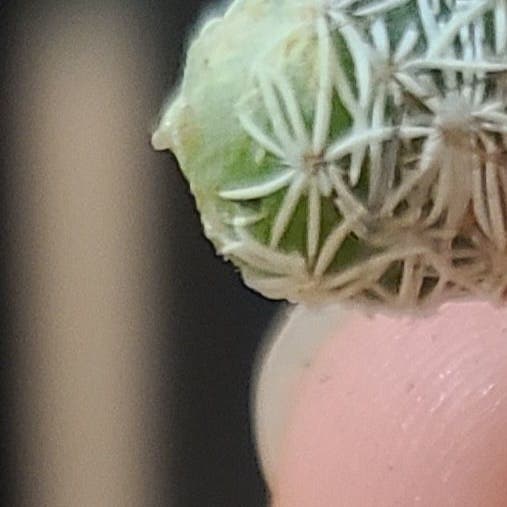
🌵 How and When Should I Cut Back My Coryphantha poselgeriana?
Coryphantha poselgeriana
By the Greg Editorial Team
Apr 21, 2024•4 min read
This article was created with the help of AI so we can cover more plants for you. May contain errors. See one? Report it here.
Ensure your cactus 🌵 flourishes with timely pruning tips for health and form!
- Prune in spring/early summer for best healing and growth.
- 🌵 Look for leggy or overgrown cactus as a sign to prune.
- Sterilize shears, seal cuts to prevent disease and promote healing.
Spotting the Right Time to Prune
🌱 Seasonal Timing for Pruning
Spring or early summer is your go-to season for pruning Coryphantha poselgeriana. This timing allows the plant to heal and regrow during its active phase, avoiding the stress of hotter or colder months.
🌵 Growth Cues for Pruning Readiness
Look for leggy growth or an overgrown shape as clear indicators that your cactus is pleading for a trim. This isn't just about aesthetics; it's about the plant's health.
🌸 Pruning After Flowering: Yay or Nay?
Absolutely yay. Once the flowers have had their moment, it's time to prune. This helps the plant redirect its energy to new growth and maintain a vigorous state.
Pruning Techniques for Coryphantha poselgeriana
🔪 The Right Tools for the Job
In the delicate world of Coryphantha poselgeriana pruning, precision is key. Sharp, sterilized pruning shears are your best friends here. They make clean cuts that heal quickly, reducing the risk of disease. And don't forget gloves—those spines don't mess around.
📝 Step-by-Step Pruning Process
- Inspect your cactus for dead or damaged areas. These look discolored or shriveled.
- Plan Your Cuts with the plant's natural shape in mind. You're an artist, not a lumberjack.
- Snip the unwanted bits at their base, avoiding healthy tissue like it's your ex at a party.
- Clean Up the carnage. Dispose of the pruned pieces to prevent disease from crashing the cactus party.
🔍 Identifying Parts to Prune: Dead, Damaged, or Overgrown
When it comes to spotting the plant parts that need to go, look for sections that are dead, damaged, or just plain overgrown. Dead or damaged parts often have a different color or texture. Overgrowth is like that one guest who spills over into your personal space—trim it back to maintain order and aesthetics. Remember, you're aiming for a cactus that looks like it cares about its appearance.
After the Snip: Post-Pruning Care
🌱 Encouraging Healthy Regrowth
After pruning your Coryphantha poselgeriana, patience is key. New growth is your high-five for a job well done. If it's more sluggish than expected, reassess your care strategy. More light or a little extra TLC might be in order.
🌵 Shaping and Size Control
Keep your cactus's shape in check by trimming strategically. Aim for a form that complements its natural beauty. Remove old growth to highlight the new, ensuring your cactus doesn't end up looking like it's had a bad hair day.
💧 Watering and Feeding After Pruning
Water as usual, but be vigilant about the soil's moisture level. Overwatering is like offering a life jacket in a desert—unnecessary and potentially harmful. Hold off on the fertilizer; your plant isn't ready for a feast just yet. When new growth appears, introduce a half-strength liquid fertilizer, and stick to monthly feedings during the growing season.
Overcoming Pruning Pitfalls
🌵 Dealing with Pruning Stress and Damage
Pruning can be a stressful event for your Coryphantha poselgeriana. To minimize harm, prune sparingly and only when necessary. If you've cut back too much, don't panic. Focus on care—proper watering and exposure to light can help your cactus recover.
🦠 Preventing Disease During Pruning
Cleanliness is crucial when pruning. Dirty tools can introduce diseases, turning a routine trim into a horticultural horror story. Disinfect your tools before and after use to keep your cactus healthy. Avoid pruning during high-risk periods for pests and diseases, typically the warmer months.
🛠 Quick Fixes for Common Pruning Mistakes
Mistakes happen, but they're not the end of the world. If you've removed too much, resist the urge to overcompensate with water or fertilizer. Instead, provide optimal care and be patient. For accidental cuts or damage, seal the wound with a suitable cactus-friendly product to prevent infection and promote healing.
⚠️ Safety First
This content is for general information and may contain errors, omissions, or outdated details. It is not medical, veterinary advice, or an endorsement of therapeutic claims.
Always consult a qualified healthcare professional before using any plant as food, medicine, or supplement.
Never eat any plant (or feed one to pets) without confirming its identity with at least two trusted sources.
If you suspect poisoning, call Poison Control (800) 222-1222, the Pet Poison Helpline (800) 213-6680, or your local emergency service immediately.
Spotted an error? Please report it here.
Prune smartly 🌵 and let Greg guide your Coryphantha poselgeriana back to health with tailored care reminders and growth tracking.