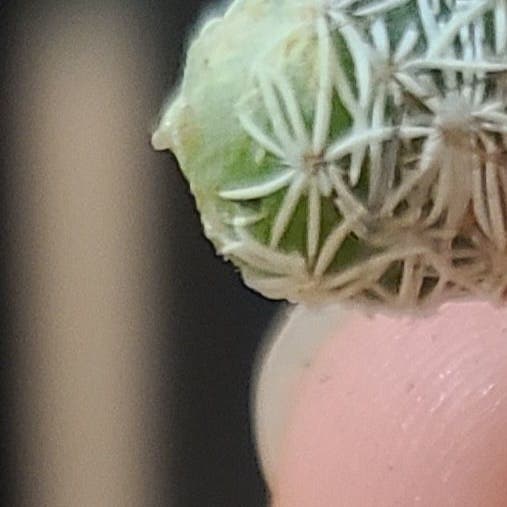
☀️ 9 Companions to Boost Your Poselger's Cory Cactus's Growth
Coryphantha poselgeriana
By the Greg Editorial Team
Sep 28, 2024•6 min read
This article was created with the help of AI so we can cover more plants for you. May contain errors. See one? Report it here.
Boost your garden's health 🌱 by pairing Poselger's Cory Cactus with ideal companion plants for vibrant growth!
- 🌵 Agave and Echeveria boost Poselger's Cory Cactus growth with low moisture needs.
- 🐞 Companion plants like Lavender and Marigolds repel pests, enhancing garden health.
- 🎨 Layering plants creates visual appeal while supporting a thriving ecosystem.
Best Companion Plants for Poselger's Cory Cactus
🌵 Plant 1: Agave
Agave is an excellent companion for Poselger's Cory Cactus due to its similar care needs. It thrives in low moisture and well-draining soil, making it a perfect match.
Additionally, Agave has pest-repelling properties, deterring nuisances like aphids. Its bold, architectural foliage adds a striking visual element that beautifully complements the cactus.
🌼 Plant 2: Echeveria
Echeveria is another fantastic choice, preferring drought-tolerant conditions akin to the cactus. This plant not only shares care requirements but also enhances the garden's aesthetic with its colorful rosettes.
Moreover, Echeveria attracts beneficial pollinators, contributing to a healthier garden ecosystem. Its vibrant colors can brighten up any space, making it a delightful addition.
🍂 Plant 3: Sedum
Sedum is a low-maintenance option that requires minimal watering and well-draining soil. This makes it compatible with the Poselger's Cory Cactus, ensuring both plants thrive.
In addition to its care needs, Sedum can deter mealybugs, providing a natural pest management solution. Its varied textures and colors create visual interest, enriching your garden's overall appeal.
🌸 Plant 4: Lavender
Lavender thrives in dry conditions and full sun, aligning perfectly with the cactus's requirements. Its fragrant flowers not only add color but also sensory appeal to your garden.
As a natural pest repellent, lavender helps keep various pests at bay. Its soothing aroma can transform your garden into a tranquil retreat.
🦋 Plant 5: Yarrow
Yarrow is drought-tolerant and prefers well-drained soil, making it another suitable companion. This plant attracts beneficial insects like ladybugs, which can help manage pests.
Its delicate flowers provide a soft contrast to the cactus, enhancing the visual dynamics of your garden. Yarrow's resilience and beauty make it a worthy addition.
🌿 Plant 6: Rosemary
Rosemary thrives in full sun and requires minimal water, mirroring the needs of Poselger's Cory Cactus. Its evergreen foliage offers year-round interest, ensuring your garden remains vibrant.
Additionally, rosemary deters pests such as spider mites, contributing to a healthier environment for your cactus. Its aromatic leaves can also be a delightful culinary addition.
🌻 Plant 7: Marigold
Marigolds prefer well-draining soil and full sun, making them compatible companions. Known for their bright blooms, they create a vibrant atmosphere in any garden.
These flowers are particularly effective at repelling nematodes and aphids, providing a natural defense for your cactus. Their cheerful appearance can uplift your garden's mood.
🌱 Plant 8: Thyme
Thyme is drought-tolerant and thrives in poor soil, making it an ideal partner for the cactus. Its low-growing, spreading habit enhances ground cover, adding depth to your garden design.
Moreover, thyme attracts pollinators while deterring pests, creating a balanced ecosystem. Its subtle fragrance can also enrich the sensory experience of your garden.
🌺 Plant 9: Portulaca (Moss Rose)
Portulaca, or Moss Rose, thrives in arid conditions and poor soil, aligning perfectly with the cactus's needs. Its bright, colorful flowers add a cheerful pop to your garden.
This plant also attracts beneficial insects, enhancing the overall health of your garden. Its resilience and beauty make it a standout choice for companion planting.
These companion plants not only share similar care requirements but also enhance the visual appeal and health of your Poselger's Cory Cactus. By carefully selecting these plants, you can create a thriving, beautiful garden that showcases the unique features of your cactus.
Plants to Avoid Near Poselger's Cory Cactus
🌿 Description of Incompatible Plants
When planning your garden, it's crucial to steer clear of plants with high water needs. Ferns and tropical plants are prime examples that can wreak havoc on your Poselger's Cory Cactus.
Additionally, some flowering plants attract pests that can harm your cactus. It's best to keep these troublemakers at bay to ensure a thriving garden.
🚫 Reasons for Incompatibility
The moisture requirements of incompatible plants can lead to root rot in your cactus. Overwatering is a common pitfall, and pairing your cactus with thirsty plants only exacerbates the issue.
Moreover, certain plants may draw pests that are detrimental to your cactus's health. Keeping your garden pest-free is essential for maintaining the vitality of your Poselger's Cory Cactus.
By avoiding these incompatible companions, you create a healthier environment for your cactus to flourish. Next, let’s explore how companion planting can effectively manage pests and enhance your garden's ecosystem.
Pest Management through Companion Planting
🌱 How Companion Plants Can Deter Pests
Companion planting is a powerful strategy for protecting your Poselger's Cory Cactus. By utilizing natural repellents, you can create a protective barrier that keeps pests at bay.
In addition to repelling unwanted visitors, companion plants help establish a balanced ecosystem. This balance supports beneficial insects that contribute to a healthier garden environment.
🌼 Examples of Pest-Repelling Companions
Certain plants are particularly effective at warding off common cactus pests. For instance, marigolds are renowned for their ability to repel nematodes and aphids.
Other options include lavender and rosemary, both of which deter various pests while adding beauty to your garden. By strategically incorporating these companions, you can enhance the resilience of your Poselger's Cory Cactus.
With the right companions, you not only protect your cactus but also enrich your garden's biodiversity. This approach fosters a thriving environment that benefits all your plants.
Next, let’s explore how to create a visually appealing cactus garden that showcases your Poselger's Cory Cactus alongside its companions.
Visual Appeal and Garden Design
Creating a Visually Appealing Cactus Garden 🌵
Designing a cactus garden is all about balancing color, texture, and height. These elements work together to create a dynamic and inviting space.
To arrange companion plants around your Poselger's Cory Cactus, consider the height and spread of each plant. Taller plants can provide a backdrop, while shorter ones can fill in the foreground. This layering effect adds depth and interest.
How Companion Plants Enhance the Aesthetic of Poselger's Cory Cactus 🎨
Companion plants can beautifully complement the unique features of your cactus. For instance, vibrant flowers or lush foliage can create striking contrasts that draw the eye.
Incorporating plants with varying colors and forms not only highlights the cactus but also creates focal points throughout the garden. This strategic arrangement fosters visual interest and keeps the garden lively year-round.
By thoughtfully selecting and positioning companion plants, you can transform your cactus garden into a stunning visual experience. This approach not only enhances the aesthetic appeal but also promotes a thriving ecosystem around your Poselger's Cory Cactus.
As you plan your garden, think about how these elements work together to create a harmonious space. Next, let’s explore which plants to avoid to ensure your cactus thrives.
⚠️ Safety First
This content is for general information and may contain errors, omissions, or outdated details. It is not medical, veterinary advice, or an endorsement of therapeutic claims.
Always consult a qualified healthcare professional before using any plant as food, medicine, or supplement.
Never eat any plant (or feed one to pets) without confirming its identity with at least two trusted sources.
If you suspect poisoning, call Poison Control (800) 222-1222, the Pet Poison Helpline (800) 213-6680, or your local emergency service immediately.
Spotted an error? Please report it here.
Boost your Poselger's Cory Cactus's growth with thoughtful companions like Agave and Lavender, and let Greg guide you with tailored care tips and reminders for a flourishing garden! 🌱