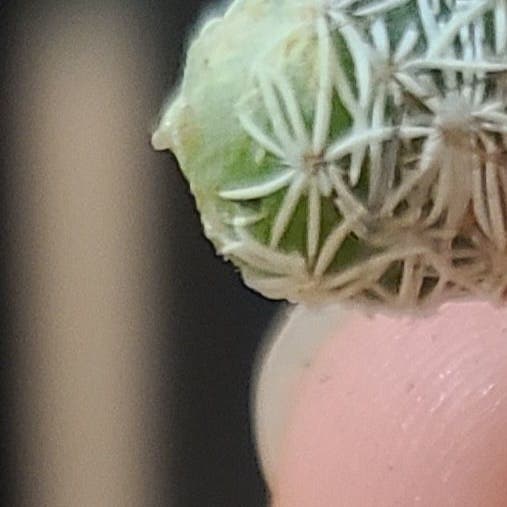
🌵 How Much Sunlight Does My Coryphantha poselgeriana Need?
Coryphantha poselgeriana
By the Greg Editorial Team
Apr 21, 2024•4 min read
This article was created with the help of AI so we can cover more plants for you. May contain errors. See one? Report it here.
Nurture your Coryphantha poselgeriana to desert glory 🌵 with the perfect indoor/outdoor sunlight strategy.
- Direct sunlight is key for thriving Coryphantha poselgeriana.
- 🌵 Pale or stretched? Your cactus needs more light.
- Full-spectrum LEDs mimic natural sunlight indoors.
Soaking Up the Sun: Ideal Light Conditions for Coryphantha poselgeriana
🌵 Native Habitat and Sunlight Preferences
Coryphantha poselgeriana is a desert dweller at heart. Its natural habitat's relentless sun has hardwired it to seek out and soak up bright light.
🔆 Decoding Sunlight Intensity for Healthy Growth
Direct sunlight is this cactus's best friend. It thrives under the kind of intense light that would make other plants wilt. However, it's not just about quantity; the quality of light matters too. A mix of red and blue wavelengths is the secret sauce for its growth.
🚫 Signs of Insufficient Light
A cactus in the shadows is a sorry sight. Watch for pale coloration or a stretched-out appearance—clear signs your Coryphantha poselgeriana is craving more sun. If it's leaning more than the Tower of Pisa, it's definitely time to find a sunnier spot.
Bringing the Desert Indoors: Indoor Light Requirements
🌵 Best Spots in Your Home for Sunlight
Finding the optimal spot for your Coryphantha poselgeriana indoors is like a treasure hunt for sunlight. These cacti are sun worshippers, so place them where rays are abundant. South-facing windows are the jackpot, offering the most consistent light throughout the day. No south window? No problem. East or west will do, but you might need to supplement with grow lights during the darker months.
🌞 The Balancing Act: Managing Light Exposure Indoors
Too much shade makes a sad cactus. Etiolation—when your plant stretches towards the light source—is a clear sign it's light-starved. Rotate your cactus regularly to prevent leaning and ensure even growth. Keep it close to the window, but be mindful of temperature swings that could stress your spiky friend. Remember, it's not just about survival; it's about helping your cactus thrive.
Outdoor Sunbathing: Outdoor Light Requirements
🌞 Transitioning to the Great Outdoors
Moving your Coryphantha poselgeriana outdoors is like upgrading it from a homebody to a beachgoer. Start with bright shade and gradually introduce it to morning sun over a week. This slow dance with the elements helps it toughen up without the risk of sunburn.
🏖 Avoiding Sunburn: Protecting Your Cactus Outdoors
Your cactus can get crispy if you're not careful. Midday shade is a must to protect it when the sun is a relentless overhead bully. Use shade cloth or strategic placement to prevent a plant meltdown. Watch for bleaching or browning—your cactus's way of crying out for sunscreen.
Boosting Blooms with Sunshine
🌞 Sunlight's Role in Flowering
Bright, consistent sunlight is essential for the flowering of Coryphantha poselgeriana. This cactus species, like many others, relies on specific light cues to initiate its blooming cycle.
Full sun exposure is non-negotiable; it's the cactus's version of a wake-up call to start producing flowers. The plant's desert heritage means it's accustomed to long, sunny days, which signal the right time to display its floral beauty.
Indoors, achieving this can be a challenge. Positioning your cactus in a south-facing window will provide the most sunlight, mimicking its natural habitat. If natural light is insufficient, consider using grow lights to supplement.
Selecting a grow light is a matter of matching the light's spectrum to the plant's needs. Full-spectrum LEDs are often recommended as they provide a balance of red and blue wavelengths, crucial for flowering.
Remember, it's not just about intensity; duration plays a key role too. As the seasons change, so should your lighting strategy, with longer light periods in spring and summer and shorter in fall and winter.
By understanding and replicating these light conditions, you can encourage your Coryphantha poselgeriana to produce its stunning blooms, even away from its native desert skies.
Supplementing Sunlight: The Role of Grow Lights
💡 Choosing the Right Grow Light
Selecting the ideal grow light for your Coryphantha poselgeriana is akin to choosing its personal sun. LED lights reign supreme for energy efficiency and a sun-like spectrum without the heat. Full-spectrum LEDs are particularly coveted, offering a range of light that closely resembles natural sunlight. Fluorescent lights, while not as advanced, are a budget-friendly alternative that still provide ample light for your cactus to prosper.
🌱 Setting Up Your Indoor Sun
Proper positioning of grow lights is crucial for simulating the overhead journey of the sun. Aim to place lights 6 to 12 inches above your plant, ensuring a bright yet gentle exposure. Use timers to replicate the natural day cycle, typically around 12-14 hours of light, followed by a restful period of darkness. Regularly rotate your cactus to promote uniform growth and avoid the dreaded one-sided tan. Remember, while grow lights are a stellar supplement to sunlight, they don't negate the need for consistent care in other areas like watering and fertilizing. Keep a vigilant eye and adjust as necessary to maintain that perfect indoor sun oasis.
⚠️ Safety First
This content is for general information and may contain errors, omissions, or outdated details. It is not medical, veterinary advice, or an endorsement of therapeutic claims.
Always consult a qualified healthcare professional before using any plant as food, medicine, or supplement.
Never eat any plant (or feed one to pets) without confirming its identity with at least two trusted sources.
If you suspect poisoning, call Poison Control (800) 222-1222, the Pet Poison Helpline (800) 213-6680, or your local emergency service immediately.
Spotted an error? Please report it here.
Boost your Coryphantha poselgeriana's growth and flowering 🌼 with Greg's light measuring and tailored reminders for sun rotation and seasonal adjustments!