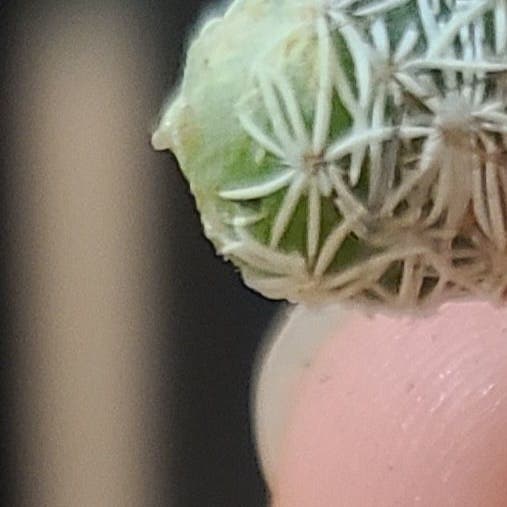
🌵 Does My Coryphantha poselgeriana Need Direct Sunlight?
Coryphantha poselgeriana
By the Greg Editorial Team
Apr 21, 2024•4 min read
This article was created with the help of AI so we can cover more plants for you. May contain errors. See one? Report it here.
Nurture your Coryphantha poselgeriana to perfection by mastering its sunlight needs. 🌵☀️
- 6 hours of direct sunlight needed for Coryphantha poselgeriana to thrive.
- Window orientation matters: North for gentle, south for intense light.
- Seasonal care adjustments prevent sunburn and ensure adequate light year-round.
Soaking Up the Sun: Coryphantha poselgeriana's Sunlight Preferences
🌞 What Does Direct Sunlight Mean for Your Cactus?
Direct sunlight is the unfiltered VIP treatment for your Coryphantha poselgeriana, offering the intense rays it naturally craves. Unlike indirect light, which is the diluted version, direct sunlight provides the full spectrum of light needed for your cactus to photosynthesize effectively and grow strong.
🌡️ Can Coryphantha poselgeriana Handle the Heat?
Absolutely. Coryphantha poselgeriana is built for the heat, thriving in full sun exposure. It's a sun worshipper that needs around 6 hours of direct sunlight to truly flourish. But remember, like any good thing, too much can be harmful. Gradual acclimation to intense sunlight helps prevent the dreaded sunburn.
🏜️ Native Wisdom: Learning from Coryphantha poselgeriana's Origins
Originating from arid landscapes, Coryphantha poselgeriana is no stranger to the relentless sun. Its natural habitat clues us into its love for long, sunny days. Mimicking these conditions at home means placing your cactus where it can bask in the sun's glory, just like it would in the wild.
Windows and Hemispheres: Navigating the Sun's Path for Your Plant
🌞 Window Watch: Which Direction Offers the Best Light?
In the quest for optimal sunlight, window orientation is key. North-facing windows provide a steady but gentle light, ideal for plants that might stress under the harsh midday sun. South-facing windows are the heavyweights of sunlight in the Northern Hemisphere, delivering a consistent and powerful dose of rays throughout the day. This can be great in the winter but may require some shielding in the summer to prevent leaf burn.
East-facing windows offer a mild morning glow, perfect for a gentle start to the day. Conversely, west-facing windows bring the heat in the afternoon, which can be intense for your Coryphantha poselgeriana if left unchecked.
🌍 North or South: Hemisphere Hints for Healthy Cacti
Your hemisphere plays a crucial role in sunlight management. In the Northern Hemisphere, south-facing windows are your plant's best friend for maximum light exposure. Flip the script if you're in the Southern Hemisphere; here, north-facing windows are the champions of sunlight.
Remember, as the seasons change, so does the sun's angle. Keep an eye on the intensity and duration of sunlight throughout the year and adjust your plant's position accordingly. A little shuffle here and there ensures your Coryphantha poselgeriana gets just the right amount of sun without turning into a crispy critter.
Seasonal Shifts: Adapting Coryphantha poselgeriana Care Through the Year
🌞 Summer Strategies: Managing Intense Sunlight
In the summer months, Coryphantha poselgeriana's love for sunlight is put to the test. Direct sun can be a bit too much of a good thing. To prevent sunburn, provide some shade during the peak hours. Think of it as sunscreen for your spiky friend.
❄️ Winter Wisdom: Ensuring Enough Light
As days get shorter, your cactus craves every bit of sunlight it can get. Position it to catch those elusive winter rays, but don't let the chill fool you—keep it away from frosty windows. It's all about striking that perfect balance between light and temperature.
Beyond the Sun: Enhancing Coryphantha poselgeriana's Light Environment
💡 Artificial Sunshine: Supplementing with Grow Lights
Grow lights are a cactus's winter coat; they keep your Coryphantha poselgeriana warm with light when the sun's on vacation. Timing is everything—set them up to mimic the natural day, usually around 12-14 hours. Start with the lights 6-12 inches above your plant, but don't be afraid to adjust if your cactus starts giving you the stink eye. It's about finding that sweet spot where your plant looks like it's on a permanent spa retreat, not a one-way trip to Crispy Town.
🛡️ Sunburn Solutions: Protecting Your Cactus
Sunburn on a cactus is like a tattoo gone wrong—it's there, it's ugly, and it's totally preventable. Shade is your cactus's sunscreen. During the solar slap of summer, give it some afternoon shade to avoid those unsightly brown spots. If you catch your cactus starting to look like it's fresh off a beach holiday gone bad, move it to a less intense spot. Remember, it's easier to prevent a sunburn than to explain why your cactus looks like it's been in a fryer.
⚠️ Safety First
This content is for general information and may contain errors, omissions, or outdated details. It is not medical, veterinary advice, or an endorsement of therapeutic claims.
Always consult a qualified healthcare professional before using any plant as food, medicine, or supplement.
Never eat any plant (or feed one to pets) without confirming its identity with at least two trusted sources.
If you suspect poisoning, call Poison Control (800) 222-1222, the Pet Poison Helpline (800) 213-6680, or your local emergency service immediately.
Spotted an error? Please report it here.
With Greg's PlantVision, you can position your Coryphantha poselgeriana perfectly by measuring the distance to your window for optimal sunlight exposure ☀️.