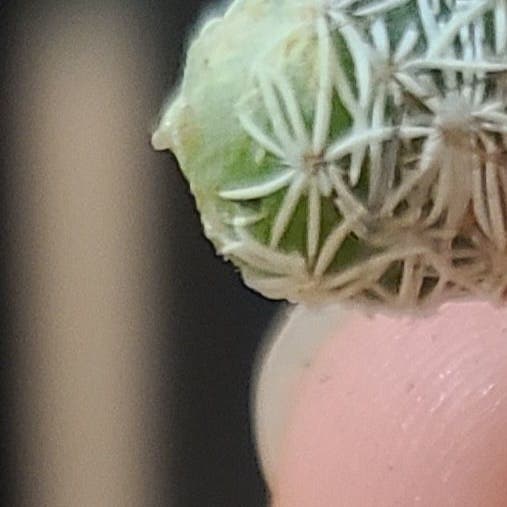
🌵 Why Are My Coryphantha poselgeriana Leaves Curling?
Coryphantha poselgeriana
By the Greg Editorial Team
Apr 21, 2024•3 min read
This article was created with the help of AI so we can cover more plants for you. May contain errors. See one? Report it here.
Unravel the mystery behind your cactus's curling leaves and restore its health with ease! 🌵🔍
- Curling indicates distress, often with discoloration or texture changes.
- 🌞❄️ Manage light and temperature to prevent leaf curling.
- 💧 Water properly; use neem oil for pests to keep leaves flat.
Spotting the Curl: Identifying the Symptoms
🌀 Visual Inspection
Coryphantha poselgeriana leaves should be firm and robust, so curling is a red flag. Look for leaves that have taken on a twist, resembling a contortionist's act. Edges may appear crispy, signaling distress. Inspect both sides of the leaves and scrutinize the stems for any unwelcome guests or unusual spots.
Beyond the Curl
Curling rarely travels solo; it's often accompanied by discoloration or a change in texture. Leaves might turn a sickly yellow or brown, and if they're drooping, it's time to spring into action. Keep an eye out for subtle changes, like a slight curl at the tips, and monitor whether the issue is progressing or stabilizing.
The Usual Suspects: Common Causes of Leaf Curling
💧 Thirsty Roots or Drowning Sorrows
Watering your Coryphantha poselgeriana is less about sticking to a schedule and more about observing its needs. Underwatering will have the leaves curling upwards, a silent scream for hydration. On the flip side, overwatering can suffocate roots, leading to a droopy, downward spiral. Check the soil's top inch; if it's dry, it's time to water. If it's damp, give it a break.
☀️ Sunburn and Chill
Your cactus loves the sun, but too much of a good thing can lead to leaf curling, as if it's trying to hide from a spotlight that's just too bright. Conversely, cold temperatures can make leaves curl up tighter than a rolled-up sleeping bag. Aim for a consistent temperature and bright, indirect light to keep those leaves flat and happy.
🐛 Uninvited Guests
Pests and diseases are like those annoying party crashers that just won't leave. They'll make your plant's leaves curl as they munch away or spread their germs. Be on the lookout for telltale signs like yellowing leaves or black spots. If you spot these freeloaders, remove the affected areas and adjust your watering habits to prevent a recurrence. Good air circulation and avoiding overhead watering are your bouncers, keeping these pests and diseases at bay.
First Aid for Curly Leaves
💡 Adjusting the Environment
Tweaking your plant's environment is like recalibrating a thermostat; it's all about finding the right balance. Direct sunlight? Think again. Your Coryphantha poselgeriana prefers the spotlight without the scorch. Position it in bright, indirect light and keep the temperature steady—60 to 85 degrees Fahrenheit is the sweet spot.
🚰 Watering Wisdom
Overwatering can drown your plant's vibe, while underwatering leaves it high and dry. Use a moisture meter or the trusty finger test to ensure the top inch of soil is dry before giving it a drink. Consistency is your new mantra—water evenly and let the soil dry out slightly between sessions.
🛡️ Evicting Pests and Battling Diseases
Pests throwing a party? Crash it with neem oil or insecticidal soap. If fungal diseases have moved in, prune the affected areas and consider a fungicide—but only as a last resort. Remember, dry leaves are less prone to disease, so water at the base to keep the foliage out of the splash zone.
Keeping It Straight: Prevention Strategies
🌵 Consistent Care
Establishing a routine is crucial for the health of your Coryphantha poselgeriana. Like clockwork, set a watering and fertilizing schedule that aligns with the plant's needs. This regularity keeps the plant from experiencing the stress that can lead to leaf curling.
👀 Monitoring and Adjustments
Vigilance is key in plant care. Regularly inspect your cactus for any signs of distress, such as discoloration or pests. Adjust care with the changing seasons—less water in cooler months, more shade during intense heat. Proactive adjustments help prevent the need for reactive measures.
⚠️ Safety First
This content is for general information and may contain errors, omissions, or outdated details. It is not medical, veterinary advice, or an endorsement of therapeutic claims.
Always consult a qualified healthcare professional before using any plant as food, medicine, or supplement.
Never eat any plant (or feed one to pets) without confirming its identity with at least two trusted sources.
If you suspect poisoning, call Poison Control (800) 222-1222, the Pet Poison Helpline (800) 213-6680, or your local emergency service immediately.
Spotted an error? Please report it here.
Keep your Coryphantha poselgeriana's leaves perfectly unfurled 🍃 with Greg's tailored care reminders that tackle curling causes head-on!