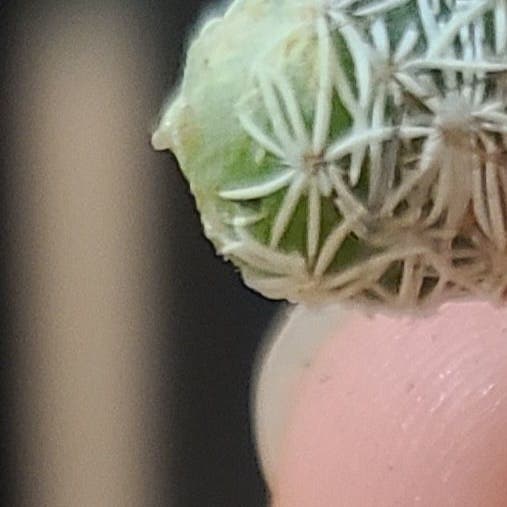
💧 Why Are My Coryphantha poselgeriana Leaves Mushy?
Coryphantha poselgeriana
By the Greg Editorial Team
Apr 21, 2024•3 min read
This article was created with the help of AI so we can cover more plants for you. May contain errors. See one? Report it here.
Stop mushy leaves in their tracks and revive your Coryphantha poselgeriana with proven care tips! 🌵🛑
- Overwatering is the main culprit for mushy Coryphantha poselgeriana leaves.
- Root rot and pests thrive in overly moist conditions.
- Adjust watering and soil mix to prevent and address mushiness.
Spotting the Signs of Trouble
🚰 Visual Symptoms
Mushiness and discoloration in Coryphantha poselgeriana leaves are the plant's version of a distress signal. When leaves feel like a wet sponge, it's a clear indicator of overwatering. Yellow or brown hues aren't a fashion statement; they're a sign that your plant's in trouble.
Leaves dropping off with a gentle nudge? That's not normal shedding; it's a symptom of excess moisture. If your plant's leaves remind you of overcooked veggies, it's time to reassess your watering habits.
🕵️ Root Check-Up
To really understand what's happening, get your hands dirty with a root inspection. Healthy roots are firm and white, not brown and mushy. If your plant's roots look like they've been through a blender, it's likely root rot caused by overenthusiastic watering.
A musty odor coming from the soil is another red flag. It's not just unpleasant; it signals potential mold growth. If the soil feels swampy days after watering, that's a textbook case of overdoing it.
Unearthing the Causes
💧 Too Much Love: Overwatering Woes
Overwatering is the silent assassin of Coryphantha poselgeriana, transforming robust leaves into a mushy disaster. It's a delicate dance between quenching thirst and waterlogging. Roots need air as much as they need water; too much H2O and they're practically drowning.
🌱 Soil Matters: Poor Drainage and Root Rot
The right soil mix is like a good life partner for your plant—it should support but not smother. Soil that's too clingy with water can cause roots to rot, leaving your plant's leaves mushy and your heart broken. Aim for a mix that's well-aerated and drains faster than a sink in a spy movie.
🐜 Unwanted Guests: Fungal Infections and Pests
Fungal infections and pests are the party crashers no one invited. They turn up unannounced, thriving in the dampness left by overwatering. Look out for discoloration, spots, or the dreaded white fluff of mealybugs. These signs are your cue to act fast—before your plant turns into a mushy mess.
Turning Things Around: Effective Remedies
💧 Watering Wisdom
Adjusting your watering routine is crucial for Coryphantha poselgeriana's recovery. Overwatering is a common misstep, leading to mushy leaves. Ensure the soil is dry an inch deep before introducing more water. This practice encourages the roots to seek moisture, fostering a robust root system. Remember, less is often more when it comes to hydration.
🌱 Soil and Pot Perfection
Choosing the right soil mix and pot is vital for preventing future mushiness. A well-draining soil mix, perhaps a cactus blend with added perlite or pumice, is essential. It should drain quickly, avoiding any waterlogged scenarios. The pot, too, plays a role; it must have drainage holes. Terracotta pots are excellent for their moisture-wicking properties, helping to keep roots dry and healthy.
Keeping It Firm: Prevention Strategies
💧 Smart Watering Practices
Consistency is the cornerstone of smart watering. Establish a schedule that caters to the unique needs of your Coryphantha poselgeriana. During the cooler months, reduce the frequency, as your cactus's thirst diminishes. Conversely, in the heat of summer, your plant will need more frequent drinks. Use a soil moisture meter or the tried-and-true finger test—dry an inch down signals it's time to water.
🛡️ Proactive Plant Care
Regular monitoring is your plant's lifeline. Keep an eye out for pests and the earliest signs of disease; early detection means easier management. Pruning isn't just for aesthetics; it's a strategic move to eliminate potential disease hideouts. Ensure good air circulation around your plant to discourage fungal growth. And remember, the right pot and soil are not just details—they're essentials for healthy roots and, consequently, firm leaves.
⚠️ Safety First
This content is for general information and may contain errors, omissions, or outdated details. It is not medical, veterinary advice, or an endorsement of therapeutic claims.
Always consult a qualified healthcare professional before using any plant as food, medicine, or supplement.
Never eat any plant (or feed one to pets) without confirming its identity with at least two trusted sources.
If you suspect poisoning, call Poison Control (800) 222-1222, the Pet Poison Helpline (800) 213-6680, or your local emergency service immediately.
Spotted an error? Please report it here.
Avoid mushy leaves and root rot in your Coryphantha poselgeriana by relying on Greg's environment monitoring 🌵 to perfect your watering routine.