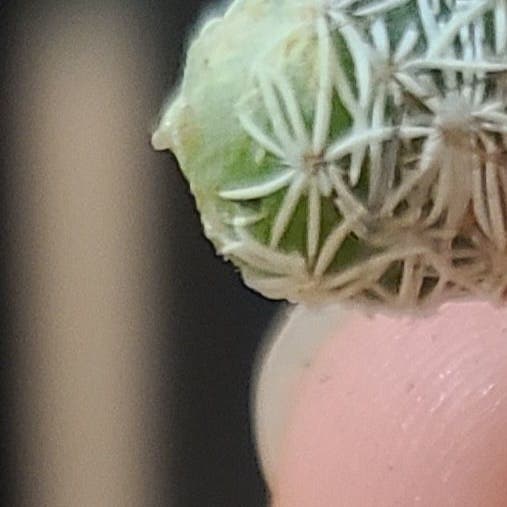
🌵 Poselger's Cory Cactus Is Not an Annual
Coryphantha poselgeriana
By the Greg Editorial Team
Sep 28, 2024•5 min read
This article was created with the help of AI so we can cover more plants for you. May contain errors. See one? Report it here.
Unlock a resilient garden oasis with Poselger's Cory Cactus—your low-maintenance, drought-resistant companion! 🌵
- 🌵 Poselger's Cory Cactus is a perennial, thriving for decades unlike short-lived annuals.
- 💧 Specialized tissues store water, making it resilient in arid environments.
- 🌼 It blooms multiple times, enhancing garden beauty throughout its long lifecycle.
Poselger's Cory Cactus Characteristics
🧬 Genetic Traits
Poselger's Cory Cactus belongs to the family Cactaceae, showcasing its unique identity among desert flora. This cactus has evolved genetic adaptations that enable it to thrive in arid environments, making it a true survivor.
Its genetic makeup includes specific markers that highlight its perennial growth habits. These traits set it apart from annual plants, ensuring it can endure and flourish over many seasons.
🌱 Physiological Traits Supporting Perennial Classification
One of the standout features of Poselger's Cory Cactus is its specialized tissues for water storage. These adaptations allow it to retain moisture, crucial for survival in dry conditions.
Additionally, this cactus has developed efficient photosynthesis mechanisms. These adaptations help it capture energy even in low-light environments, ensuring it can grow steadily despite challenging conditions.
📈 Long-Term Lifecycle and Growth Patterns
When it comes to growth rate, Poselger's Cory Cactus starts slow but gradually increases in size over time. This slow initial growth is a hallmark of its perennial nature.
Under optimal conditions, it can live for decades, showcasing its longevity. Its seasonal behavior includes dormancy during extreme temperatures, with active growth occurring in milder seasons, allowing it to adapt effectively to its environment.
This understanding of Poselger's Cory Cactus characteristics sets the stage for exploring its lifecycle and how it compares to annual plants.
Lifecycle Comparison
Reproductive Strategies 🌸
Poselger's Cory Cactus boasts a fascinating reproductive strategy. It produces multiple blooms throughout its lifespan, ensuring a vibrant display over the years.
Pollination occurs through both self-pollination and cross-pollination, allowing for genetic diversity. This adaptability enhances its chances of successful reproduction in challenging environments.
Differences in Flowering and Seed Production Compared to Annuals 🌼
Unlike annuals, which typically flower in a single burst, Poselger's Cory Cactus flowers over several seasons. This extended blooming period allows it to maximize its reproductive potential.
Additionally, its seeds can remain dormant until conditions are just right. This strategy ensures that the cactus can thrive even in unpredictable climates.
Environmental Factors Affecting Lifecycle Perception 🌍
Regional climate plays a significant role in how Poselger's Cory Cactus is perceived. Extreme weather can lead to misclassification as an annual, especially if the cactus struggles to thrive.
Soil conditions also impact growth. Poor soil may hinder development, causing gardeners to mistakenly treat it as an annual.
Adaptation strategies are key to its survival. The cactus adjusts to varying environmental conditions, showcasing its resilience and perennial nature.
Understanding these factors is crucial for appreciating the true lifecycle of Poselger's Cory Cactus. This knowledge can help gardeners make informed decisions about care and cultivation.
As we dive deeper into garden design implications, we'll explore how these lifecycle characteristics can enhance your gardening experience.
Garden Design Implications
Advantages in Perennial Planting 🌵
Poselger's Cory Cactus offers a long-term investment for gardeners. Unlike annuals, which require frequent replacements, this cactus thrives for years, making it a sustainable choice.
Drought resistance is another significant advantage. Its ability to survive with minimal water makes it perfect for low-water gardens and xeriscaping, where conserving resources is key.
The aesthetic appeal of Poselger's Cory Cactus cannot be overlooked. Its unique structure and flowering patterns add visual interest, enhancing any garden design.
Planning for Long-Term Growth 📏
When planning for long-term growth, spacing is crucial. Ensure you allow enough room for the cactus to reach its mature size without overcrowding.
Companion planting can elevate your garden's look. Pairing Poselger's Cory Cactus with other drought-resistant plants creates a cohesive and vibrant landscape.
Consider seasonal interest as well. Planning for year-round visual appeal through flowering cycles keeps your garden lively and engaging.
Seasonal Considerations for Perennial Cacti ❄️
Winter care is essential for protecting your cactus from frost and extreme cold. A little preparation goes a long way in ensuring its survival.
During summer, management is key. Ensure your cactus receives adequate water during its active growth phase to promote healthy development.
Timing for planting is also important. The best seasons for establishing Poselger's Cory Cactus are spring and early fall, allowing it to acclimate before extreme weather sets in.
With these considerations in mind, you can create a thriving garden that showcases the beauty and resilience of Poselger's Cory Cactus. Next, let’s explore effective management tips for ensuring its longevity.
Management Tips for Longevity
🌱 Best Practices for Maintenance
To keep your Poselger's Cory Cactus thriving, establish a consistent watering schedule. Deep watering during its active growth phase is crucial, while minimal watering is needed during dormancy.
Soil choice is equally important; ensure you use well-draining soil to prevent root rot. This simple step can make a significant difference in your cactus's health.
Fertilization should be minimal, focusing on organic options. This approach enhances soil health without overwhelming your cactus.
🌼 Tips for Maximizing Growth and Flowering
Pruning is a key practice for encouraging new growth. Regularly remove dead or damaged parts to promote a healthier plant.
Ensure your cactus receives adequate sunlight for optimal photosynthesis. This will help it flourish and produce beautiful blooms.
Pest management is essential for longevity. Regular checks for common pests and diseases can prevent small issues from becoming major problems.
🧐 Common Misconceptions About Lifecycle
Many people misunderstand the lifecycle of Poselger's Cory Cactus, often mistaking it for an annual. Clarifying its perennial nature is vital for proper care.
Emphasizing the importance of specific care can help maintain its longevity. A little attention goes a long way in ensuring your cactus thrives.
Finally, addressing myths about the cactus's growth and flowering habits can help set realistic expectations. Understanding its true nature will enhance your gardening experience.
With these management tips, you can enjoy a flourishing Poselger's Cory Cactus for years to come. Next, let's explore the garden design implications of incorporating this unique plant into your landscape.
⚠️ Safety First
This content is for general information and may contain errors, omissions, or outdated details. It is not medical, veterinary advice, or an endorsement of therapeutic claims.
Always consult a qualified healthcare professional before using any plant as food, medicine, or supplement.
Never eat any plant (or feed one to pets) without confirming its identity with at least two trusted sources.
If you suspect poisoning, call Poison Control (800) 222-1222, the Pet Poison Helpline (800) 213-6680, or your local emergency service immediately.
Spotted an error? Please report it here.
Unlock the secrets of your Poselger's Cory Cactus's long-lasting growth 🌱 with Greg's tailored watering reminders and expert care tips to keep it thriving for years to come!