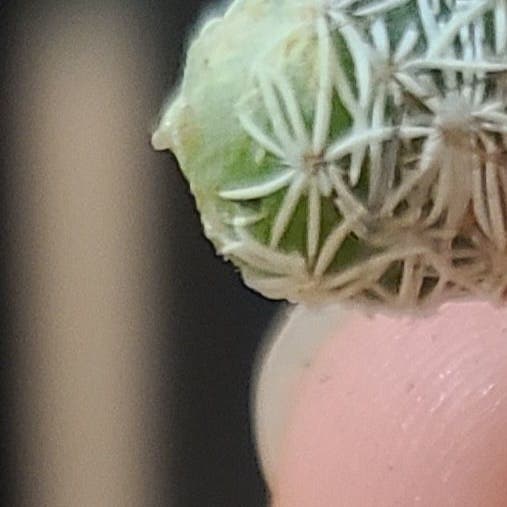
⚠️ Why Are My Coryphantha poselgeriana Leaves Turning Yellow?
Coryphantha poselgeriana
By the Greg Editorial Team
Apr 21, 2024•4 min read
This article was created with the help of AI so we can cover more plants for you. May contain errors. See one? Report it here.
Solve the yellow-leaf puzzle 🌵 of your Coryphantha poselgeriana for a thriving, vibrant cactus garden!
- Underwatering and overwatering both lead to yellow leaves; balance is key.
- 🌞🌡️ Sunlight and temperature matter; provide bright, indirect light and stable warmth.
- Soil quality and pH are crucial; use well-draining mix and monitor pH levels.
Pinpointing the Culprits Behind Yellow Leaves
🏜️ Underwatering Woes
Dry, wrinkled leaves on your Coryphantha poselgeriana? That's a classic SOS for water. Underwatering leaves your cactus high and dry, literally.
How to Quench Your Plant's Thirst
Check the soil before you water; if it's bone-dry, it's time to hydrate. But go easy—think slow sips, not a gulp, to avoid shocking your plant's roots.
Overwatering and Root Rot
Yellow, limp leaves are often the aftermath of too much love in the form of H2O. Overwatering can drown your cactus's roots, leading to a soggy demise.
Balancing Moisture for Happy Roots
Aim for moist, not wet, soil. Use pots with good drainage and adjust your watering schedule with the seasons—less in winter, more in summer.
Light and Temperature Tangles
Too much sun can scorch leaves, while too little leaves them pale and yellow. Temperature swings are just as tricky, stressing your cactus out.
Finding the Sweet Spot for Sunlight and Warmth
Your cactus craves bright, indirect light and stable temperatures. Watch for burns or chills and move your plant to a spot that's just right.
Soil Situations
Poor soil quality or incorrect pH can turn leaves yellow faster than you can say "chlorosis." It's not just about water and light—soil matters too.
Mixing up the Perfect Soil Cocktail
Create a soil mix that drains well yet retains enough moisture. Adjust pH if needed, aiming for a slightly acidic to neutral range for your cactus.
Turning Over a New Leaf: Remedial Actions
💧 Fine-Tuning Watering Habits
To prevent your Coryphantha poselgeriana from turning yellow, it's crucial to get watering just right. Check the soil moisture before each watering; it should feel dry an inch below the surface. Remember, less is more during the winter months.
- Use pots with drainage holes to avoid water accumulation.
- Incorporate perlite or pumice to improve soil aeration and prevent root rot.
🌞 Light and Temperature Tweaks
Adjusting light and temperature is non-negotiable for a healthy cactus. Your plant should bask in bright, indirect sunlight; direct beams can cause leaf burn. If you notice yellowing, consider whether it's getting too much sun or not enough.
- Gradually change the plant's location to avoid shocking it with sudden environmental shifts.
- Keep the temperature consistent; dramatic fluctuations are a no-go.
🌱 Soil Amendments
The right soil mix is your cactus's best friend. Use a well-draining concoction to prevent waterlogging and promote healthy root growth. Annually refreshing the soil can replenish nutrients without overdoing it.
- Test the soil pH and adjust as necessary to maintain a balance conducive to cactus health.
- If repotting, choose a pot size that allows for growth but not excess soil, which can retain unwanted moisture. Terracotta pots are excellent for wicking away extra dampness.
Proactive Plant Parenting: Preventive Strategies
🌱 Crafting a Care Routine
Consistency is your cactus's best friend. Establish a care routine that syncs with the seasons—less water when it's cool, more when it's hot. Think of it as your plant's personal calendar, with scheduled waterings and feedings that cater to its growth cycle.
Adaptability is key. Monitor your Coryphantha poselgeriana's reactions to your care, and be ready to tweak your routine. It's like being a DJ, adjusting the beats to keep the party—aka your plant—going strong.
👀 Vigilance and Early Intervention
Stay sharp and spot the signs early. Yellowing leaves? Time to play detective and scrutinize your watering habits and light exposure. It's like catching a cold early; act fast, and you'll nip it in the bud.
Quick fixes can be lifesavers. See a yellow leaf? Assess and adjust your care routine pronto. It's about being as responsive as a top-notch waiter, attending to your plant's needs before it starts dropping more than just leaves.
⚠️ Safety First
This content is for general information and may contain errors, omissions, or outdated details. It is not medical, veterinary advice, or an endorsement of therapeutic claims.
Always consult a qualified healthcare professional before using any plant as food, medicine, or supplement.
Never eat any plant (or feed one to pets) without confirming its identity with at least two trusted sources.
If you suspect poisoning, call Poison Control (800) 222-1222, the Pet Poison Helpline (800) 213-6680, or your local emergency service immediately.
Spotted an error? Please report it here.
Keep your Coryphantha poselgeriana thriving 🌵 with Greg's personalized care reminders that adapt to your plant's unique needs and prevent those pesky yellow leaves.