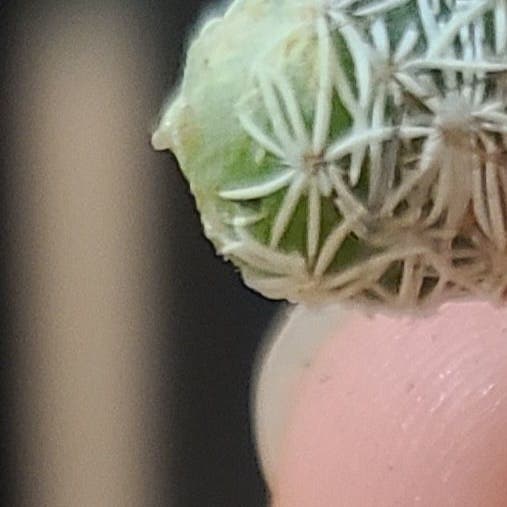
🌵 Why Is My Coryphantha poselgeriana Dropping Leaves?
Coryphantha poselgeriana
By the Greg Editorial Team
Apr 21, 2024•4 min read
This article was created with the help of AI so we can cover more plants for you. May contain errors. See one? Report it here.
Solve the leaf-drop mystery of your Coryphantha poselgeriana and reclaim its desert charm! 🌵✨
- Under/overwatering? Check soil dryness, water thoroughly, or let soil dry out.
- Temperature matters: Keep between 70-85°F to prevent crispy or mushy leaves.
- Pest control: Use alcohol, water jets, or introduce predators like lady beetles.
When Thirst Turns to Drought: Underwatering Woes
🌵 Spotting the Signs: Is Your Coryphantha poselgeriana Thirsty?
Wilting leaves are the first red flag; they should be perky, not slumped over in defeat. If the soil feels like a desert to the touch, it's time to water. When leaves get crispy, they're not auditioning for a role as autumn foliage; they're parched. And if your cactus is growing at a pace that makes snails look speedy, it's likely dehydrated.
💧 Quenching the Thirst: Best Practices for Watering
First, poke the soil. If it's dry beyond your first knuckle, it's time to water. When you do, soak it thoroughly; the goal is to reach the roots, not just the surface. Keep an eye on the soil; if it dries out quicker than your phone battery, increase your watering frequency. And if your cactus seems more thirsty than a tourist in the desert, consider a pot that retains moisture better. Remember, moderation is your mantra—aim for moist, not soggy.
The Perils of Overwatering: Root Rot and Beyond
💧 Recognizing Overindulgence: Symptoms of Too Much Water
Yellow leaves at the bottom of your Coryphantha poselgeriana? That's a telltale sign of overwatering. If the stems have the consistency of overcooked pasta, it's a red flag. Unpotting reveals the ultimate truth: dark, mushy roots spell out root rot. Don't be fooled by dry soil on top; the danger often lurks below, where it's out of sight.
🚱 Drying Out: Steps to Rescue an Overwatered Coryphantha poselgeriana
First, halt all watering immediately. Let the soil dry out to give those suffocating roots a chance to breathe. If the plant is in dire straits, gently remove it from its pot. Prune any blackened or mushy roots—this is surgery, and you're the doctor. Repot in fresh, well-draining soil and ensure the pot has adequate drainage holes. Going forward, water only when the soil feels dry an inch below the surface. It's about giving your plant a drink, not a bath.
Feeling the Heat: Temperature Stress and Leaf Drop
🌡️ Identifying Temperature Trauma
Crispy leaves? Your Coryphantha poselgeriana might be too hot. Mushy spots suggest it's too cold. These visual cues are your plant's distress signals, telling you it's not comfortable with the current temperature.
Keeping the Cool (or Warmth)
To maintain your plant's health, aim for a consistent 70-85°F (21-29°C). This is the sweet spot where your cactus can thrive without the risk of temperature-induced leaf drop. If it's too hot, find a shaded area or relocate to a cooler room. For cold stress, seek a draft-free zone that's snug and warm.
Monitor your plant like a hawk for the first signs of temperature distress. Quick action can prevent a full-blown crisis. Remember, stability is key—no plant enjoys a temperature rollercoaster.
Bug Off: Pest Infestation and Leaf Defense
🐜 Unwanted Guests: Common Pests
Mealybugs are the bane of many cacti, including Coryphantha poselgeriana. These fluffy white villains suck the life out of your plant, leaving a sticky mess. Thrips are no better, sneaking in to leave silvery trails and black specks. And let's not forget aphids, those sap-sucking menaces that cause leaves to deform.
💣 Fight the Infestation: Effective Pest Control Strategies
To tackle mealybugs, grab a cotton swab dipped in alcohol and go to town on them. If you're feeling hands-on, you can also rub them off with a washcloth. For thrips and aphids, a strong jet of water can dislodge these pests. But if you're dealing with a full-blown pest party, it's time to bring out the big guns: insecticidal soap or neem oil. Just remember, spray when the sun's not out to avoid leaf burn.
🦟 Biological Warfare
Introduce natural predators like lacewings or lady beetles to your garden; these guys are like the special ops of pest control. If you're in a pinch, sticky traps and systemic insecticides can help, but use them as a last resort to keep the good bugs around.
🧼 Keep It Clean
A clean plant is a happy plant. Regularly wiping down leaves can prevent pests from settling in. Think of it as pest prevention hygiene.
👀 Early Detection
Be vigilant. Regular inspections are like routine check-ups for your plant. Catch those pests early, and you can avoid a lot of drama. If you do find an infestation, don't hesitate to prune the affected areas. It's like cutting off a zombie bite before it spreads.
🐞 Natural Predators
If you're lucky enough to spot a Zelus renardii or a Leafhopper Assassin Bug in your garden, let them stay. They're the unsung heroes that snack on those pesky pests.
Remember, when it comes to pests, the best defense is a good offense. Keep your eyes peeled, your plant clean, and your pest-fighting allies close.
⚠️ Safety First
This content is for general information and may contain errors, omissions, or outdated details. It is not medical, veterinary advice, or an endorsement of therapeutic claims.
Always consult a qualified healthcare professional before using any plant as food, medicine, or supplement.
Never eat any plant (or feed one to pets) without confirming its identity with at least two trusted sources.
If you suspect poisoning, call Poison Control (800) 222-1222, the Pet Poison Helpline (800) 213-6680, or your local emergency service immediately.
Spotted an error? Please report it here.
Keep your cactus perky 🌵 with Greg's smart watering reminders, ensuring it never drops a leaf from the tips in this article!