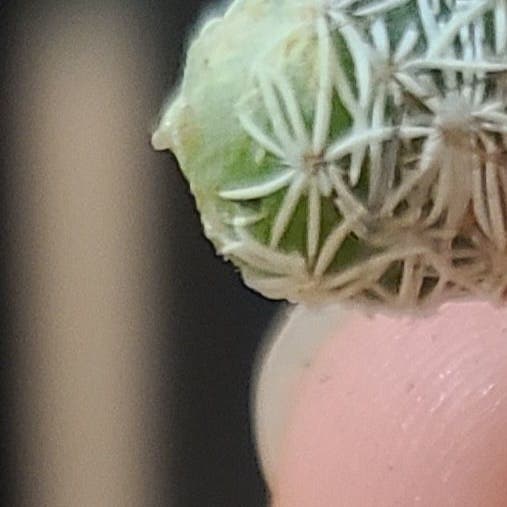
🌼 What Does It Mean When Coryphantha poselgeriana Blooms?
Coryphantha poselgeriana
By the Greg Editorial Team
Apr 21, 2024•5 min read
This article was created with the help of AI so we can cover more plants for you. May contain errors. See one? Report it here.
Unlock the bloom 🌼 secrets of Coryphantha poselgeriana and elevate your cactus care game!
- 🌵 Blooms signal health and typically start around 5 years of age.
- ☀️ Sunlight and seasons are crucial for triggering cactus blooms.
- 🌺 Proper soil, water, and fertilizer are essential for vibrant flowers.
Decoding the Blooms of Coryphantha poselgeriana
🌸 The Blooming Process
When Coryphantha poselgeriana decides to show off its flowers, it's a whole production. Buds emerge, signaling the start of a blooming cycle. These buds swell, hinting at the colorful display to come. As they blossom, the flowers of C. poselgeriana can range from red to yellowish-white, a vibrant show against its spiny backdrop. Post-bloom, the plant redirects energy, focusing on seed production and future growth.
🕰 Age and Blooming
C. poselgeriana doesn't rush into the spotlight. It waits until it's good and ready, which typically means reaching a certain age. Young cacti are all about growth, but as they mature, they start to think about reproduction, which means flowers. Expect the first blooms to grace your cactus when it hits the maturity milestone, often around the 5-year mark. Older plants tend to bloom more reliably, putting on a more impressive show each year.
The Right Conditions for a Flower Show
🌞 Light: The Sunnier, The Better?
Sunlight is the trigger for Coryphantha poselgeriana blooms. This cactus thrives in bright conditions, but the light must be just right.
Ideal Light Conditions
Place your cactus in a spot where it can soak up the morning or late afternoon sun. Avoid the intense midday rays that can damage the flowers. Think of it as a sunbathing session that avoids the peak hours of UV intensity.
🌡️ Temperature and Seasonal Changes
Temperature and seasonal shifts are like a secret handshake for Coryphantha poselgeriana, signaling it's time to dazzle with flowers.
Temperature Needs
Maintain a consistent temperature range between 65-75°F (18-24°C) for your cactus. As the seasons shift, adjust your care routine to accommodate these changes.
Seasonal Cues
Longer days in the growing season are your cactus's cue to start the blooming process. It's not just warmth, but the right amount of daylight that primes your plant for its floral show.
Nurturing Your Cactus for Vibrant Blooms
💧 Soil and Water: The Foundation of Flowering
Soil is the unsung hero in the blooming saga of Coryphantha poselgeriana. Opt for a peat-based, well-draining mix; think of it as a breathable sweater for the roots. Keep the pH slightly acidic to neutral—because no one likes an overly tangy or bland soil.
Watering is an art form, not a science. Aim for moist but not soggy soil, akin to a wrung-out sponge. Overwatering is the botanical faux pas you want to avoid—it's like flooding your plant's aspirations. Let the top layer dry out before giving it another drink, and always ensure proper drainage to prevent a soggy disaster.
🌼 Fertilization: The Bloom Boost
When it comes to fertilizer, phosphorus is your cactus's wingman during showtime. A balanced fertilizer with a higher phosphorus ratio is your golden ticket. Nitrogen? Important, but it's not the star of the show. It's the foliage's backstage pass to health, supporting the main act—blooms.
Timing is everything. Feed your cactus bi-weekly during the growth phase, but as it enters dormancy, ease off the gas. Over-fertilization is like overfeeding—it does more harm than good. Watch your cactus like a hawk for signs of budding, and adjust your care to pamper those potential blooms.
Troubleshooting Bloom Blockers
🌵 Identifying and Addressing Common Issues
If your Coryphantha poselgeriana is more barren than a desert in a drought, it's time to troubleshoot. Let's dig into the dirt of non-blooming issues.
🐜 Pests: The Uninvited Guests
Pests are the ultimate bloom burglars. Aphids, spider mites, and mealybugs can turn your cactus into a juice bar, leaving nothing for flowers. Regular checks and swift action are your best defense.
🌞 Light: The Goldilocks Zone
Too much shade and your cactus is snoozing; too much sun and it's sunburnt. Aim for the sweet spot of bright, indirect light where your cactus can bask without baking.
💧 Watering: A Delicate Dance
Overwatering invites root rot, while underwatering leaves your cactus gasping. Strike a balance with consistent, moderate watering that mimics a desert downpour followed by drought.
🌱 Fertilization: Less is More
A phosphorus-rich fertilizer whispers "bloom" to your cactus, but overdo it and you'll get a bushy beast with no flowers. Go easy on the feed to avoid lush leaves at the expense of blooms.
🌡️ Temperature and Seasonal Timing
Coryphantha poselgeriana won't pop out flowers if it's shivering or sweating. Keep it in a comfortable temperature range and pay attention to seasonal cues that signal it's showtime.
🌿 Soil: The Root of the Matter
The right soil mix is like a tailored suit; it should fit your cactus perfectly. Ensure it's well-draining to avoid soggy feet, which can lead to a non-flowering fiasco.
⏳ Patience: The Virtue of Cactus Lovers
Sometimes, your cactus just isn't ready to strut its stuff. It may need more time to mature or recover from stress. Keep calm and cactus on, adjusting care as needed.
By playing plant detective and addressing these common bloom blockers, you're setting the stage for a floral encore. Remember, it's not just about survival; it's about helping your cactus thrive.
⚠️ Safety First
This content is for general information and may contain errors, omissions, or outdated details. It is not medical, veterinary advice, or an endorsement of therapeutic claims.
Always consult a qualified healthcare professional before using any plant as food, medicine, or supplement.
Never eat any plant (or feed one to pets) without confirming its identity with at least two trusted sources.
If you suspect poisoning, call Poison Control (800) 222-1222, the Pet Poison Helpline (800) 213-6680, or your local emergency service immediately.
Spotted an error? Please report it here.
Watch your Coryphantha poselgeriana flourish 🌼 with Greg's tailored care plan ensuring the right mix of sun, soil, and water for those first vibrant blooms.