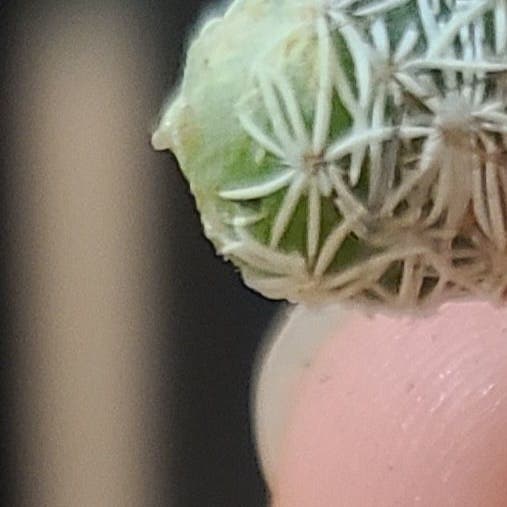
Best Soil Potting Mix for Coryphantha poselgeriana
Coryphantha poselgeriana
By the Greg Editorial Team
Apr 21, 2024•3 min read
This article was created with the help of AI so we can cover more plants for you. May contain errors. See one? Report it here.
Discover the secret to a happy cactus 🌵: perfect your Coryphantha poselgeriana's soil mix with our guide!
- 🌵 Coarse sand and perlite ensure proper drainage for cacti.
- DIY soil mix: balance organic matter, sand, and perlite.
- Sterilize and monitor soil to prevent pathogens and maintain health.
Spotting Trouble in Paradise: Unhealthy Soil Signs
🍄 Moldy Mayhem: Recognizing and Fixing Fungal Foes
Mold in your soil is like an uninvited guest at a garden party—it's a sign your soil is too wet. If you spot a fuzzy growth or detect a musty smell, it's time to intervene. Immediate action: scrape off the mold and let the soil air out. To prevent future fungal fiestas, mix in perlite for better drainage and keep a closer eye on your watering schedule.
💧 Water Woes: Dealing with Compaction and Poor Drainage
Compacted soil is a silent plant killer. If water pools on the surface or the soil feels as hard as concrete, your plant's roots are likely suffocating. Aeration is key: introduce coarse sand or pumice to loosen the soil. For an ongoing fix, ensure your pot has adequate drainage holes and consider a soil mix that's more loose and airy. Remember, healthy roots need room to groove.
Crafting the Ultimate Soil Mix
🌵 The Dream Team: Ingredients for Success
Coarse sand and perlite are your Coryphantha poselgeriana's best friends. They ensure proper drainage and prevent root rot, which is crucial for this desert dweller. Organic matter like peat moss or compost adds nutrients and helps with moisture control.
Getting the proportions right is key. A general guideline is a mix of 1 part organic matter to 2 parts inorganic materials like sand and perlite. This balance promotes a healthy root system and mimics the cactus's natural habitat.
🌱 DIY Soil Mix: Your Recipe for Resilience
To mix your own soil, start with a quality commercial cactus substrate as the base. Add one part perlite or pumice to prevent compaction and ensure aeration. Mix in one part coarse siliceous sand for impeccable drainage.
Sterilizing your mix is crucial to keep out pathogens. Bake the soil at 200°F (93°C) for 30 minutes. This step is like a security checkpoint, ensuring no unwanted guests hitch a ride to your cactus pot.
Remember, observe your plant's response and tweak the mix as needed. Your cactus's thriving growth will signal you've hit the jackpot with your soil mix.
Keeping the Good Times Rolling: Soil Maintenance
🌱 Routine Check-ups: Monitoring Soil Health
Monthly monitoring is your plant's lifeline. Dig in to feel the soil's texture and moisture. If it's akin to wet concrete or bone-dry, you've got issues.
Refresh or replace the soil mix when it's more lifeless than a forgotten loaf of bread. If the soil feels like a packed suitcase, it's time to give your cactus some breathing room.
🌿 Long-term Love: Ensuring Soil Vitality
Topdressing with compost or worm castings is like a yearly nutrient-rich hug for your soil. Ensure those drainage holes are as clear as your conscience after a good deed.
Rotate your cactus like a rotisserie chicken to prevent compaction and promote even growth. Adjusting your mix as your Coryphantha poselgeriana grows is akin to tailoring a suit – it should fit just right.
⚠️ Safety First
This content is for general information and may contain errors, omissions, or outdated details. It is not medical, veterinary advice, or an endorsement of therapeutic claims.
Always consult a qualified healthcare professional before using any plant as food, medicine, or supplement.
Never eat any plant (or feed one to pets) without confirming its identity with at least two trusted sources.
If you suspect poisoning, call Poison Control (800) 222-1222, the Pet Poison Helpline (800) 213-6680, or your local emergency service immediately.
Spotted an error? Please report it here.
Keep your Coryphantha poselgeriana flourishing with tailor-made soil advice 🌵 from Greg, ensuring perfect moisture levels and aeration for your cactus's home.