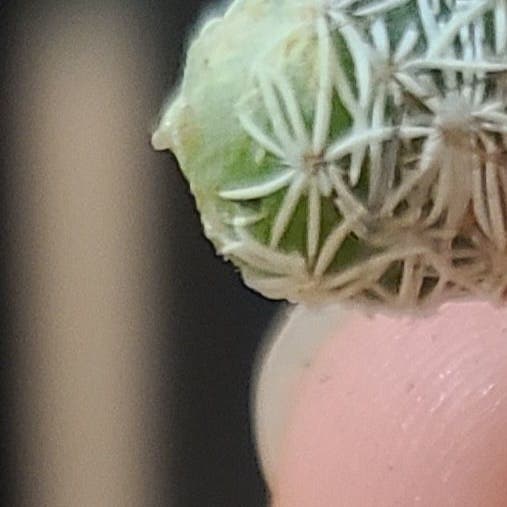
4 Tips for Healthy Poselger's Cory Cactus Roots 🌵
Coryphantha poselgeriana
By the Greg Editorial Team
Sep 28, 2024•6 min read
This article was created with the help of AI so we can cover more plants for you. May contain errors. See one? Report it here.
Master root care for your Poselger's Cory Cactus 🌱 to ensure vibrant growth and resilience in any environment!
- 🌵 Poselger's Cory Cactus roots can reach 3 feet deep for moisture access.
- 💧 Avoid overwatering; signs include yellowing stems and mushy roots needing immediate care.
- 🌱 Healthy roots are vital for propagation; unhealthy roots lead to plant failure.
Root Depth and Spread
Growth Patterns of the Root System 🌱
The roots of Poselger's Cory Cactus can dive deep, reaching depths of up to 3 feet (0.9 meters) in search of moisture. This impressive depth allows the cactus to tap into water sources that many other plants can't access.
In addition to their depth, these roots can spread laterally up to 2 feet (0.6 meters). This wide reach maximizes water absorption, ensuring the plant remains hydrated even in dry conditions.
Impact on Overall Plant Health 🌿
The relationship between root depth and drought resilience is crucial. A deeper root system enables the cactus to survive longer periods without water, making it more adaptable to arid environments.
Moreover, the lateral spread of the roots contributes significantly to the plant's stability and nutrient uptake. A well-established root system not only supports the cactus physically but also enhances its ability to absorb essential nutrients from the soil.
Understanding these growth patterns is vital for anyone looking to cultivate a healthy Poselger's Cory Cactus. With the right care, you can ensure that your cactus thrives, setting the stage for the next section on watering, fertilizing, and transplanting.
Watering, Fertilizing, and Transplanting
🌱 How Root System Affects Watering Frequency
To keep your Poselger's Cory Cactus thriving, it's crucial to understand its watering needs. The recommended schedule is to allow the soil to dry out completely between waterings, which mimics its natural habitat.
Be vigilant for signs of overwatering, such as yellowing stems and mushy roots. These symptoms indicate that your cactus is not happy and needs immediate attention.
🌼 Best Practices for Fertilizing
Fertilizing your cactus is essential for its growth, but it doesn't require frequent feeding. Aim to fertilize once during the growing season, ideally in spring.
When choosing a fertilizer, opt for a low-nitrogen, high-phosphorus cactus fertilizer. This type will support healthy growth without overwhelming the plant.
🌿 Guidelines for Transplanting Without Damaging Roots
Transplanting can be a delicate process, but timing is everything. The best time to transplant your cactus is in early spring, just before it enters its active growth phase.
Follow these steps for careful transplanting:
- Water the cactus a day before transplanting to help ease the process.
- Gently remove the cactus from its pot, taking care not to break any roots.
- Place it in a new pot with well-draining soil, ensuring the roots are spread out.
By following these guidelines, you can ensure your cactus remains healthy and vibrant. Next, we’ll explore common root-related issues that can affect your plant's health.
Common Root-Related Issues
🦠 Identifying Root Rot and Other Diseases
Root rot is a sneaky problem that can devastate your Poselger's Cory Cactus. Look for signs like wilting, even when you've watered adequately, and a foul odor emanating from the soil.
Fusarium wilt and root blight are two common diseases that can affect cactus roots. These issues can lead to serious health problems for your plant if not addressed promptly.
🛠️ Solutions for Root-Related Problems
If you suspect root rot, act quickly. Remove any affected roots and repot your cactus in fresh, dry soil to give it a fighting chance.
Preventative measures are key to keeping your cactus healthy. Ensure proper drainage and avoid overwatering to keep root-related issues at bay.
By staying vigilant and proactive, you can maintain a thriving root system that supports your cactus's overall health. Next, let’s explore how to recognize indicators of root health to ensure your plant is thriving.
Indicators of Root Health
👀 Visual Cues for Healthy vs. Unhealthy Roots
Healthy roots are a gardener's dream. They should feel firm and display a white or light tan color, with minimal odor.
In contrast, unhealthy roots tell a different story. Look for dark, mushy, or slimy textures, often accompanied by a foul smell.
📊 Other Indicators of Root Health
Beyond root appearance, overall plant vigor is crucial. A thriving cactus exhibits healthy growth, vibrant color, and is free from pests.
Soil condition also plays a significant role. Ensure it’s well-draining and dry between waterings to promote optimal root health.
Understanding these indicators can help you maintain a flourishing Poselger's Cory Cactus. Next, let’s explore the challenges of rootbound plants and how to address them effectively.
Rootbound Plants
Definition of Rootbound 🌱
A cactus is considered rootbound when its roots start circling the pot, limiting its growth. This condition occurs when the plant has outgrown its container, leading to a cramped environment.
Signs of a Rootbound Cactus 👀
You can spot a rootbound cactus by several indicators. Look for stunted growth, roots pushing out of drainage holes, and soil that dries out quickly after watering.
When and How to Address Rootbound Conditions 🛠️
Intervention is necessary when you notice growth slowing or stagnating. Here’s how to remedy rootbound conditions effectively:
- Carefully remove the cactus from its pot.
- Trim back excessively long roots if necessary.
- Repot in a larger container with fresh, well-draining soil.
Addressing rootbound issues promptly ensures your Poselger's Cory Cactus continues to thrive. Understanding these signs and solutions will help you maintain a healthy plant, setting the stage for successful propagation and division next.
Propagation and Division
Importance of Root Health in Propagation 🌱
Healthy roots are crucial for successful propagation and growth. They provide the necessary nutrients and stability that young plants need to thrive.
On the flip side, propagating from unhealthy plants can lead to stunted growth or even plant failure. It's essential to ensure that the parent plant has a robust root system before attempting to propagate.
Techniques for Dividing and Propagating Without Harming Roots ✂️
When it comes to propagation, offsets and cuttings are your best bets. These methods allow you to expand your cactus collection without risking damage to the roots.
Steps for Successful Propagation
- Allow cuttings to callous for 1-2 days before planting. This helps prevent rot.
- Use well-draining soil to ensure moisture doesn't linger around the roots.
- Avoid overwatering until the roots establish, as this can lead to root rot.
By following these steps, you can ensure that your new plants have the best chance of thriving. Understanding root health is key to nurturing a vibrant cactus collection.
Next, we'll explore how to identify and address root-related issues to keep your plants healthy and flourishing.
⚠️ Safety First
This content is for general information and may contain errors, omissions, or outdated details. It is not medical, veterinary advice, or an endorsement of therapeutic claims.
Always consult a qualified healthcare professional before using any plant as food, medicine, or supplement.
Never eat any plant (or feed one to pets) without confirming its identity with at least two trusted sources.
If you suspect poisoning, call Poison Control (800) 222-1222, the Pet Poison Helpline (800) 213-6680, or your local emergency service immediately.
Spotted an error? Please report it here.
Keep your Poselger's Cory Cactus thriving with strong roots 🌵 by letting Greg provide tailored watering reminders and care tips to ensure it flourishes in your home!