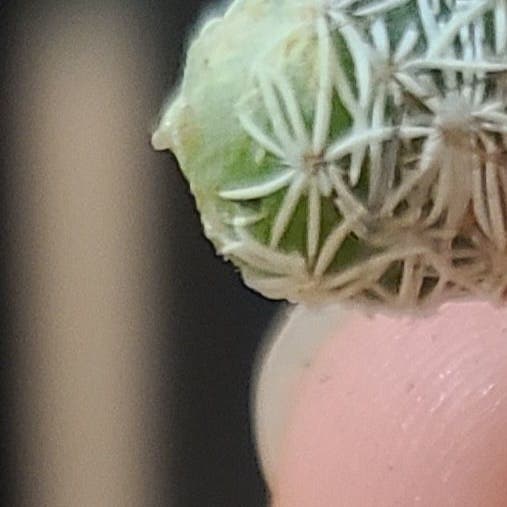
How Do I Cure Coryphantha Poselgeriana Root Rot?
Coryphantha poselgeriana
By the Greg Editorial Team
Apr 21, 2024•4 min read
This article was created with the help of AI so we can cover more plants for you. May contain errors. See one? Report it here.
Rescue your cactus 🌵 from root rot's clutches and prevent future outbreaks with this essential guide.
- Identify root rot by yellowing, wilting, and softening of the cactus.
- Prune and disinfect roots, then repot in well-draining soil.
- Prevent recurrence with regular root checks and adjusted watering habits.
Spotting the Trouble Signs
🚨 Identifying Symptoms
When Coryphantha poselgeriana starts to yellow, wilt, or soften, it's not just throwing a tantrum—it's likely suffering from root rot. These symptoms are the plant's distress signals, begging for a closer look below the soil.
🕵️ Confirming the Diagnosis
To play plant detective, gently evict your cactus from its pot and brush off the soil. Healthy roots should be firm and white, like fresh produce. If they're brown, mushy, and smell like last week's compost, you've got a case of root rot on your hands.
First Response to Root Rot
🚱 Stop Watering and Remove from Pot
Halt watering immediately. This isn't a drill; overhydration is your cactus's nemesis. Next, isolate your plant. You're not just avoiding a root rot epidemic; you're setting the stage for a successful intervention.
🕵️ Assessing the Damage
Carefully lift the Coryphantha poselgeriana from its pot, like defusing a bomb. Gently brush off the soil and inspect the roots. You're looking for firm and white—hallmarks of health. If they're brown, mushy, or have the aroma of decay, it's bad news. But don't despair; identification is the first step towards salvation.
Surgical Strike: Root Pruning
🌵 Snipping the Bad, Keeping the Good
Root rot in Coryphantha poselgeriana demands immediate action, and that starts with root pruning. Here's how to do it:
- Prepare your tools: Sterilize scissors or shears. Think surgical-grade cleanliness.
- Remove the plant: Gently take your cactus out of its pot.
- Rinse the roots: Use water to wash away soil and expose the compromised areas.
- Identify the rot: Healthy roots are firm and white; rotten ones are soft and discolored.
- Prune with precision: Cut the infected roots at the junction with healthy tissue. It's a delicate balance—be thorough but conservative.
- Sterilize again: Clean your tools after each cut to prevent spreading pathogens.
🦠 Disinfecting the Survivors
After the bad roots are history, it's time to focus on the survivors:
- Apply fungicide: Treat the remaining healthy roots with a fungicide to ward off further infection. Think of it as a vaccine for your plant.
- Let them breathe: Before repotting, allow the roots to air out. This helps prevent moisture buildup, which can invite more rot.
- Monitor closely: Keep an eye on your cactus as it recovers. Vigilance is key to preventing a relapse.
Rebooting the Root Environment
🌵 Repotting with Care
Choosing the right soil and pot is like hitting the reset button for your Coryphantha poselgeriana. Go for a well-draining soil mix; think cactus or succulent blend, with a dash of perlite for good measure. The pot should be snug, not spacious—roots like a cozy hug, not a dance hall. Make sure it has drainage holes; they're the escape hatches for excess water.
Adjusting Watering Habits
Watering is now a game of precision. Start sparingly, allowing the soil to dry out slightly between waterings. When the top inch feels dry, it's time to quench your plant's thirst. This isn't just about recovery; you're teaching your plant to thrive with tough love. Remember, overwatering is the fast track back to root rot city.
Future-Proofing Against Root Rot
🕵️ Regular Root Check-ups
Regular inspections are the backbone of preventing root rot. Think of them as your plant's personal health screenings. Aim to examine your plant's roots annually, or whenever you spot something amiss. During these check-ups, be on the lookout for soft, discolored roots or a funky smell from the soil—these are red flags.
🌿 Creating the Ideal Conditions
To keep root rot at bay, balance is key. Ensure your plant receives bright, indirect light; direct sunlight can be as harmful as too little light. Watering should be a careful act—maintain moist, but never soggy, soil. Imagine you're making a perfect cup of tea—neither waterlogged nor parched.
🌡️ Temperature and Humidity
Stable temperature and humidity levels create a safe haven for your plant. These factors are critical; they ensure your plant doesn't live in conditions that favor root-rotting fungi. Use a pebble tray or mist to maintain humidity, and keep the temperature consistent to avoid plant stress.
🌱 Soil and Repotting
Refresh the soil periodically to prevent compaction, which can lead to waterlogging. When repotting, choose a well-draining mix and a pot that's just the right size—too large, and the soil stays wet for too long.
💧 Watering Schedule
Create a watering schedule that's more guideline than rule. Adjust it based on the plant's needs, which can change with the seasons or even room humidity. If the soil stays wet for too long, reassess your soil mix or watering frequency. Remember, a little plant TLC goes a long way.
⚠️ Safety First
This content is for general information and may contain errors, omissions, or outdated details. It is not medical, veterinary advice, or an endorsement of therapeutic claims.
Always consult a qualified healthcare professional before using any plant as food, medicine, or supplement.
Never eat any plant (or feed one to pets) without confirming its identity with at least two trusted sources.
If you suspect poisoning, call Poison Control (800) 222-1222, the Pet Poison Helpline (800) 213-6680, or your local emergency service immediately.
Spotted an error? Please report it here.
Ensure your Coryphantha poselgeriana stays healthy and thriving 🌵 by using Greg to perfect your watering schedule and prevent root rot.