🌡 What Temperature Does My Coryphantha poselgeriana Need?
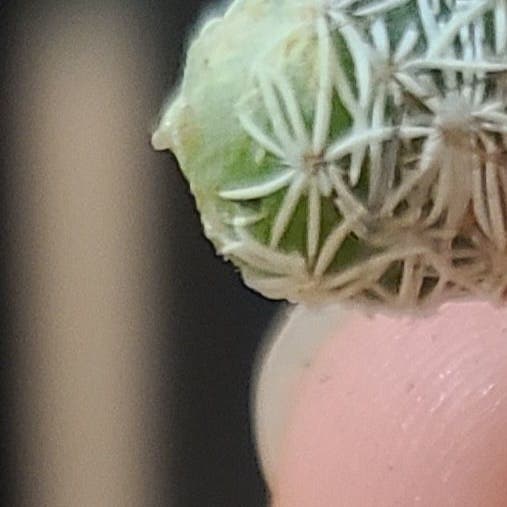
Coryphantha poselgeriana
By the Greg Editorial Team
Apr 21, 2024•3 min read
This article was created with the help of AI so we can cover more plants for you. May contain errors. See one? Report it here.
Keep your cactus happy 🌵 by nailing the perfect temperature range—avoid the wilt and the chill!
- 65°F to 80°F ideal for Coryphantha poselgeriana's health and growth.
- 🌡️ Monitor with thermometers to prevent sunburn or frost damage.
- Humidity and airflow balance crucial; use hygrometers and ensure good ventilation.
Dialing in the Perfect Temperature
🌵 What's the Sweet Spot?
Coryphantha poselgeriana thrives in a temperature range similar to its native desert habitat. The ideal sweet spot hovers between 65°F and 80°F (18°C to 27°C). When the mercury climbs too high, the cactus risks sunburn and dehydration. Conversely, temperatures dipping below the comfort zone can lead to stunted growth or even frost damage.
🌡️ Keeping the Heat Consistent
To maintain stable temperatures, positioning is crucial. Keep your cactus away from drafty windows and out of the direct line of heating or cooling vents. Use thermometers to monitor the environment, ensuring your plant doesn't experience drastic fluctuations. For those colder months, a heating mat might be the cozy solution, while a strategically placed fan can help during a heatwave. Remember, consistency is your cactus's best friend.
Recognizing and Responding to Temperature Stress
🌵 Spotting the Signs of Discomfort
Coryphantha poselgeriana, like any self-respecting cactus, will broadcast its discomfort when temperatures aren't up to par. Wilting or discoloration should set off your plant-parent alarm bells. A healthy cactus gone limp or sporting yellow, brown, or blackened areas is crying out for help.
🛠 Troubleshooting Temperature Troubles
Temperature stress can sneak up due to a variety of factors, from sudden drafts to a heat wave. If your cactus is looking more dramatic than usual, check for nearby vents or electronics that could be messing with the thermostat. Relocating your plant or adjusting the room temperature can often be the quick fix your spiky friend needs.
When the Air Feels Different: Humidity's Role
💦 A Quick Touch on Humidity
Humidity and temperature are inseparable when it comes to the well-being of your Coryphantha poselgeriana. This cactus, like many others, doesn't just live off the water it guzzles through its roots; the moisture in the air is part of its lifeblood too.
Warm air can hold more moisture, which means that as you adjust the thermostat, you're also playing with the humidity levels. Get it wrong, and your cactus could be signaling distress without you even knowing it.
Monitoring humidity isn't just for the overzealous plant parent; it's a critical part of cactus care. Use a hygrometer to keep tabs on the air's moisture content. If the air is too dry, your cactus might start to look as parched as a desert wanderer's dream.
Conversely, if your home is mimicking a tropical rainforest, you might be inviting a fungal fiesta. Airflow is your ally here; it's the unsung hero that can prevent moisture from getting too clingy.
Remember, it's not about hitting a single perfect number on the humidity scale. It's about creating a stable environment where temperature and humidity are in a harmonious tango. Your Coryphantha poselgeriana doesn't need a sauna or an icebox; it craves that just-right sweet spot where it can thrive without throwing a fit.
Keeping Your Cool (or Warmth) in Extreme Weather
❄️ Winter Woes and Summer Scorches
Coryphantha poselgeriana, like a desert native, prefers stability. Winter's chill can halt growth, while summer's intensity might stress your cactus. Insulate pots during cold snaps to mimic its natural, rocky crevices. In summer, employ shade cloths to diffuse harsh sunbeams.
Indoor vs. Outdoor Considerations
Indoors, keep your cactus away from drafty windows and air vents. Consistency in temperature is key. Outdoors, gradual acclimation helps prevent shock from sudden changes. Remember, your cactus isn't a fan of surprises.
⚠️ Safety First
This content is for general information and may contain errors, omissions, or outdated details. It is not medical, veterinary advice, or an endorsement of therapeutic claims.
Always consult a qualified healthcare professional before using any plant as food, medicine, or supplement.
Never eat any plant (or feed one to pets) without confirming its identity with at least two trusted sources.
If you suspect poisoning, call Poison Control (800) 222-1222, the Pet Poison Helpline (800) 213-6680, or your local emergency service immediately.
Spotted an error? Please report it here.
Keep your Coryphantha poselgeriana happy and healthy 🌵 with Greg's personalized environment tracking, ensuring it always has the perfect temperature and humidity it loves.