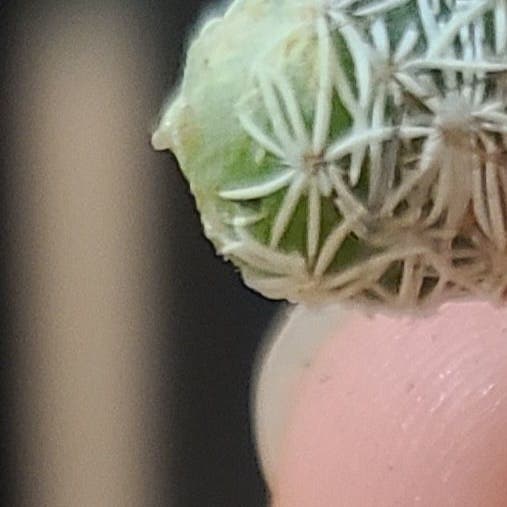
🌵 Ultimate Guide to Outdoor Poselger's Cory Cactus Care
Coryphantha poselgeriana
By the Greg Editorial Team
Sep 28, 2024•6 min read
This article was created with the help of AI so we can cover more plants for you. May contain errors. See one? Report it here.
Transform your outdoor space with a thriving Poselger's Cory cactus 🌵 by mastering sunlight, watering, and soil care!
- 🌞 Poselger's Cory cactus needs 6-8 hours of sunlight daily for optimal growth.
- 💧 Water every 2-4 weeks; adjust frequency in fall and winter for best health.
- 🌱 Use well-draining soil and ensure proper drainage to prevent root rot.
Sunlight Needs
Ideal Light Conditions for Outdoor Growth 🌞
For your Poselger's Cory cactus to thrive, it needs full sun exposure—aim for 6-8 hours of direct sunlight daily. The best spots are south or west-facing locations, where the cactus can soak up maximum light.
Signs of Too Much or Too Little Sunlight 🌤️
Watch for signs that your cactus might be getting too much sun. If you notice scorched or bleached patches, it’s time to provide some shade. Conversely, if your cactus shows stretched growth and pale coloration, it’s likely craving more sunlight.
Understanding these light needs is crucial for maintaining a healthy cactus. With the right conditions, your Poselger's Cory will flourish and bring vibrant life to your outdoor space.
Next, let’s dive into the watering requirements to keep your cactus hydrated and happy.
Watering Requirements
How Often to Water 🌊
For your Poselger's Cory Cactus, watering is crucial. During the growing season—spring and summer—aim to water every 2-4 weeks.
As temperatures drop in fall and winter, reduce your watering frequency. This adjustment helps your cactus enter dormancy without stress.
Signs of Overwatering and Underwatering 🚨
Recognizing the signs of overwatering is essential for cactus health. Look for yellowing, mushy stems, or even root rot; these are clear indicators that you’ve given too much water.
On the flip side, underwatering shows up as a wrinkled, shriveled appearance and stunted growth. If your cactus looks like it's wilting, it’s time to give it a drink.
Understanding these watering requirements will set you on the right path to nurturing a thriving cactus. Next, let’s explore the soil preferences that will further enhance your cactus care.
Soil Preferences
Best Soil Types 🌵
For your Poselger's Cory cactus, the right soil is crucial. A well-draining cactus mix or sandy loam is ideal, ensuring your plant thrives without drowning.
The pH level should be slightly acidic to neutral, ideally between 6.0 to 7.0. This balance helps your cactus absorb nutrients effectively.
Importance of Drainage 🚰
Drainage is non-negotiable for healthy cactus growth. Without it, root rot can quickly become a problem, leading to a sad, wilting plant.
Using pots with drainage holes or raised beds for in-ground planting can make all the difference. This setup allows excess water to escape, keeping your cactus happy and thriving.
With the right soil and drainage, your Poselger's Cory cactus will be well on its way to flourishing. Next, let's explore the best planting options for your cactus.
Planting Options
Container Planting 🌱
Container planting offers unique advantages for outdoor Poselger's Cory Cactus care. The primary benefit is mobility; you can easily reposition your cactus to maximize sunlight or provide protection from harsh weather.
However, there are drawbacks to consider. Limited root space in containers can restrict growth, potentially stunting your cactus over time.
In-Ground Planting 🌍
In-ground planting allows for more expansive root growth, which can lead to a healthier and more robust cactus. This natural setting often promotes better overall growth, as the cactus can access nutrients from the surrounding soil.
On the flip side, in-ground planting comes with its own challenges. Your cactus may be more vulnerable to pests and diseases lurking in the soil, requiring vigilant monitoring and care.
Understanding these planting options helps you make informed decisions for your Poselger's Cory Cactus. Whether you choose containers or in-ground planting, each method has its own set of benefits and challenges that can shape your cactus's health and growth.
Next, let’s explore the essential protection and maintenance strategies to keep your cactus thriving.
Protection and Maintenance
☀️ Weather Protection
Strategies for Protecting Against Extreme Temperatures
To keep your Poselger's Cory cactus thriving, consider using shade cloth during intense heat. This simple addition can shield your cactus from scorching rays while allowing some light to filter through.
Mulching around the base is another effective strategy. It helps retain moisture and regulates temperature, creating a more stable environment for your cactus.
Frost Protection Methods
When cold snaps hit, covering your cactus with frost cloth or burlap can provide essential protection. These materials trap heat and shield your plant from freezing temperatures.
For potted cacti, moving them indoors or to a sheltered location is a smart move. This not only protects them from frost but also ensures they stay cozy during chilly nights.
🐞 Pest and Disease Management
Common Outdoor Pests
Outdoor cacti can attract pests like aphids, mealybugs, and spider mites. Regular inspections are key to catching these invaders early.
Management techniques include using neem oil or insecticidal soap. These natural solutions can effectively combat pests without harming your cactus.
Diseases
Root rot and fungal infections are common threats to cacti. To prevent these issues, ensure your cactus has proper drainage and avoid overhead watering.
By keeping an eye on your cactus's health and addressing any concerns promptly, you can enjoy a vibrant and resilient plant. With the right protection and maintenance, your Poselger's Cory cactus will flourish in its outdoor home.
As we move into seasonal care, understanding how to adjust your approach throughout the year will further enhance your cactus's growth and vitality.
Seasonal Care
🌸 Spring and Summer Care
As the temperatures rise, your Poselger's Cory Cactus enters its active growth phase. This is the perfect time to increase watering and fertilization to support its vibrant growth.
Monitor your cactus closely for pests and diseases during these warmer months. Regular inspections can help catch any issues early, ensuring your cactus remains healthy and thriving.
🍂 Fall and Winter Care
As the days grow shorter and temperatures drop, it's time to prepare your cactus for dormancy. Reduce watering frequency to prevent root rot and allow the plant to rest.
Protect your cactus from frost and extreme cold conditions. Covering it with frost cloth or moving potted varieties indoors can make a significant difference in their survival through winter.
By adjusting your care routine with the seasons, you’ll help your Poselger's Cory Cactus flourish year-round. Next, let’s explore the best climate zones for outdoor growth to ensure your cactus thrives in its ideal environment.
Climate Zone Considerations
Best Climate Zones for Outdoor Growth 🌞
The Poselger's Cory Cactus thrives in USDA zones 9-11. These zones offer the warm temperatures that this cactus loves, rarely dropping below freezing.
Special Considerations for Different Climates 🌦️
In arid regions, ensure adequate drainage and limit watering to prevent root rot. Conversely, in humid climates, keep an eye out for fungal diseases and adjust your watering schedule accordingly to maintain a healthy cactus.
Understanding these climate nuances will help you provide the best care for your cactus, ensuring it flourishes in your outdoor space. Next, let’s explore the seasonal care needed to keep your cactus thriving throughout the year.
⚠️ Safety First
This content is for general information and may contain errors, omissions, or outdated details. It is not medical, veterinary advice, or an endorsement of therapeutic claims.
Always consult a qualified healthcare professional before using any plant as food, medicine, or supplement.
Never eat any plant (or feed one to pets) without confirming its identity with at least two trusted sources.
If you suspect poisoning, call Poison Control (800) 222-1222, the Pet Poison Helpline (800) 213-6680, or your local emergency service immediately.
Spotted an error? Please report it here.
Keep your Poselger's Cory cactus thriving outdoors 🌞 by using Greg's tailored watering reminders and sunlight tracking to ensure it gets the care it needs!