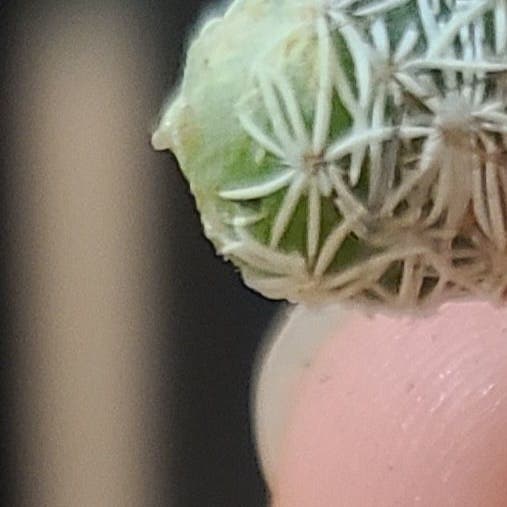
🌵 Poselger's Cory Cactus: A Perennial Plant
Coryphantha poselgeriana
By the Greg Editorial Team
Sep 28, 2024•6 min read
This article was created with the help of AI so we can cover more plants for you. May contain errors. See one? Report it here.
Unlock the secrets of Poselger's Cory Cactus 🌵 for a resilient, low-maintenance garden filled with stunning blooms!
- 🌵 Poselger's Cory Cactus thrives for decades with proper care and conditions.
- 🌞 Spring dormancy ends with vibrant summer blooms, enhancing garden displays.
- 💧 Drought-resistant and adaptable, this cactus reduces replanting needs for gardeners.
Lifecycle and Growth Patterns
🌱 Multi-Year Lifecycle
Poselger's Cory Cactus boasts a fascinating multi-year lifecycle. It progresses through three distinct growth phases: establishment, maturity, and reproduction.
During the establishment phase, the cactus roots itself and begins to adapt to its environment. As it matures, it develops a robust structure, often living for several years, with some specimens thriving for decades.
🌿 Growth Patterns and Regrowth from Roots
One of the remarkable features of Poselger's Cory Cactus is its ability to regenerate from established root systems each year. This resilience sets it apart from annuals and biennials, which often require replanting.
In spring, the cactus emerges from dormancy, signaling the start of growth acceleration. By summer, it enters a vibrant phase of flowering and fruiting, showcasing its adaptability to seasonal changes.
Understanding these growth patterns not only enhances your gardening skills but also deepens your appreciation for this resilient plant. As we explore the impact of its perennial nature on growth and flowering, you'll discover even more about its unique characteristics.
Impact of Perennial Nature on Growth and Flowering
🌸 Flowering Cycles and Patterns
Poselger's Cory Cactus showcases unique flowering patterns that are a delight for any gardener. Typically, blooms occur annually, with their timing influenced by seasonal changes, making each year a new opportunity for vibrant displays.
The flowers themselves are striking, varying in color and size, and they often attract specific pollinators. Understanding these characteristics can enhance your gardening experience, as you can plan for optimal pollination and visual impact.
🌱 Overall Lifespan and Health of the Plant
Maintaining the health of your Poselger's Cory Cactus is crucial for its longevity. Proper care and suitable environmental conditions play a significant role in its overall well-being.
This cactus is remarkably resilient, thriving even in drought conditions and poor soils. Recognizing the signs of a healthy plant—like robust growth and vibrant blooms—can help you identify when your cactus is thriving or when it may be under stress.
Monitoring these health indicators ensures that your cactus remains a stunning centerpiece in your garden for years to come. With the right attention, you can enjoy the beauty of this perennial plant while benefiting from its low-maintenance nature.
As we explore the dormancy and seasonal changes next, you'll discover how these factors further influence the growth and vitality of Poselger's Cory Cactus.
Dormancy and Seasonal Changes
Description of Dormancy Periods 🌵
Dormancy is a fascinating phase for Poselger's Cory Cactus. This period typically occurs during extreme heat or cold, allowing the plant to conserve energy.
During dormancy, the cactus undergoes physiological changes, significantly reducing its metabolic activity. This adaptation is crucial for water conservation, ensuring survival in harsh conditions.
Seasonal Changes and Their Effects on Growth 🌦️
Seasonal variations play a pivotal role in the growth cycles of Poselger's Cory Cactus. Temperature and moisture levels directly influence how the plant develops throughout the year.
In arid environments, these cacti have remarkable adaptations to cope with seasonal changes. They can thrive despite fluctuating conditions, showcasing their resilience and ability to flourish in challenging climates.
Understanding these dormancy periods and seasonal effects is essential for maximizing the health and longevity of your cactus. As we explore further, we'll delve into the advantages this perennial plant offers for gardeners.
Advantages for Gardeners
Benefits of Reduced Replanting 🌱
Planting Poselger's Cory Cactus is a savvy long-term investment. Unlike annuals, these perennials save you money over time, as they don’t require replanting each season.
With reduced labor and maintenance, you can enjoy a thriving garden without the constant upkeep. This means more time to appreciate your plants and less time worrying about replanting.
Importance of Established Root Systems 🌳
The deep root systems of Poselger's Cory Cactus offer significant advantages. They enhance drought resistance, allowing the plant to survive in arid conditions while accessing nutrients deeper in the soil.
Moreover, these established roots provide stability during varying weather conditions. This resilience means your garden can flourish even when faced with challenges.
Incorporating these cacti into your garden not only simplifies your gardening routine but also enriches the ecosystem. As you plan your garden, consider how these hardy plants can contribute to a sustainable and beautiful landscape.
Lifespan and Influencing Factors
🌱 Expected Lifespan
Poselger's Cory Cactus typically enjoys a lifespan ranging from several years to several decades. This longevity is impressive, especially when compared to other perennial cacti, which may not thrive as long under similar conditions.
🌍 Factors Influencing Longevity Across Different Climates
The lifespan of Poselger's Cory Cactus can vary significantly based on climate zone. Temperature, humidity, and soil conditions play crucial roles in determining how well the plant grows and survives.
- Temperature: Extreme heat or cold can stress the plant, impacting its overall health.
- Humidity: High humidity can lead to rot, while low humidity may hinder growth.
- Soil Conditions: Well-draining soil is essential; poor drainage can cause root issues.
Adaptation strategies are vital for thriving in diverse environments. For instance, in arid regions, ensuring adequate water during dry spells can enhance resilience. Conversely, in more humid climates, providing sufficient airflow can prevent fungal diseases.
Understanding these factors allows gardeners to create optimal conditions for their Poselger's Cory Cactus, ensuring a longer, healthier life.
As we explore the next section, we’ll delve into effective garden planning strategies to maximize the benefits of this remarkable perennial.
Tips for Maximizing Benefits in Garden Planning
Garden Planning Strategies 🌵
Incorporating Poselger's Cory Cactus into your garden can be a game-changer. Pair it with other drought-tolerant species to create a resilient landscape that thrives on minimal water.
Strategic placement is key. Ensure your cactus receives optimal sunlight and has excellent drainage to flourish. This not only enhances its growth but also contributes to the overall aesthetic of your garden.
Long-Term Cultivation Practices 🌱
To maximize the longevity of your Poselger's Cory Cactus, establish a consistent watering schedule. While these cacti are drought-resistant, they still benefit from regular moisture during their active growth periods.
Soil management is equally important. Use well-draining soil to prevent root rot and monitor for pests and diseases that can affect perennial cacti. Keeping an eye on these factors will ensure your cactus remains healthy and vibrant for years to come.
By following these tips, you can create a thriving garden that showcases the beauty and resilience of Poselger's Cory Cactus. Next, let’s explore the expected lifespan of this remarkable plant and the factors that influence its longevity.
⚠️ Safety First
This content is for general information and may contain errors, omissions, or outdated details. It is not medical, veterinary advice, or an endorsement of therapeutic claims.
Always consult a qualified healthcare professional before using any plant as food, medicine, or supplement.
Never eat any plant (or feed one to pets) without confirming its identity with at least two trusted sources.
If you suspect poisoning, call Poison Control (800) 222-1222, the Pet Poison Helpline (800) 213-6680, or your local emergency service immediately.
Spotted an error? Please report it here.
Nurture your Poselger's Cory Cactus to thrive year after year 🌱 with Greg's tailored care reminders and expert tips that make plant parenting a breeze!