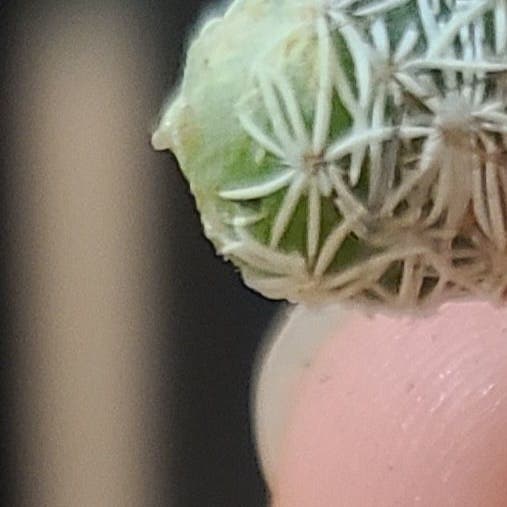
Why Are There Brown Spots on My Coryphantha poselgeriana?
Coryphantha poselgeriana
By the Greg Editorial Team
Apr 21, 2024•5 min read
This article was created with the help of AI so we can cover more plants for you. May contain errors. See one? Report it here.
Banish brown spots 🤎 on your cactus and restore its desert glory with these expert insights! 🌵
- Fungal, water, sun issues cause brown spots; clues in size, texture, pattern.
- Treat with fungicides, adjust watering, and provide filtered sunlight for prevention.
- Regular monitoring, proper drainage, and seasonal care adjustments keep cacti healthy.
Spotting the Trouble: Identifying Brown Spots on Your Cactus
🧐 Visual Symptoms: What Do Brown Spots Look Like?
Brown spots on Coryphantha poselgeriana are as varied as the causes behind them. They might be tiny speckles or large, unsightly patches that mar the cactus's appearance. The texture of these spots can also offer clues; they may be dry and crispy or soft and mushy. Sunburn usually leaves behind pale brown marks, while fungal issues might present with a yellowish ring encircling the spot.
🌀 Spot Patterns: Understanding Their Significance
The pattern and placement of brown spots can be quite telling. If you see uniform spots, think environmental factors like sunburn. On the other hand, irregular, scattered spots could be a red flag for pests or disease. It's important to monitor the progression of these spots to help pinpoint the issue.
⏰ Timing and Progression: When Did the Spots Appear?
Keep track of when these spots first make an unwelcome appearance. Are they spreading like wildfire or staying put like an unwelcome houseguest? Rapid growth of these spots is a sign that your cactus is sending an SOS, and it's time to take action.
Remember, consistency in monitoring is key to catching these issues early and preventing a full-blown cactus crisis.
Common Culprits: What's Causing the Brown Spots?
🍄 Fungal Foes
Fungal infections can leave their mark on your Coryphantha poselgeriana, presenting as brown spots with a yellowish halo. These unsightly spots are a sign of microbial mischief at work. High humidity and poor air circulation are the culprits' best friends, creating a playground for these spotty invaders.
💧 Water Woes
Overwatering your cactus can lead to soft, dark brown spots, particularly on the underside of the plant. It's a classic case of too much love leading to soggy missteps. Recognize the symptoms: if your cactus feels more like a damp sponge than a desert dweller, it's time to reassess your watering habits.
🌞 Sun Struggles
Too much sun can result in a cactus version of a sunburn, with brown spots appearing on the areas most exposed to the rays. These spots are flat and smooth, a stark reminder that even sun-loving plants have their limits. Learn to differentiate these from other causes; if it's crispy to the touch, it's likely sunscald.
Turning the Tide: Treating Brown Spots
🍄 Battling Fungi
Fungicides are your first line of defense against the fungal invasion on your Coryphantha poselgeriana. Start by removing any visibly affected areas to prevent further spread. Choose a fungicide that's gentle on cacti; neem oil or potassium bicarbonate solutions are often recommended. Apply with care, ensuring you cover all affected areas thoroughly. Rotate your fungicides to prevent resistance and always follow the label's instructions.
💧 Watering Wisdom
Overwatering can spell disaster for your cactus, leading to those dreaded brown spots. To reverse the damage, first halt watering and let the soil dry out. Check the roots for rot and trim if necessary. Repot with fresh, well-draining soil in a pot with adequate drainage holes. When you resume watering, wait until the top inch of soil is dry. Remember, your cactus prefers a drought to a flood.
☀️ Sunburn Solutions
Too much sun can scorch your cactus, causing brown spots. To create the ideal light environment, provide filtered sunlight or partial shade, especially during the hottest parts of the day. If moving your cactus indoors, do so gradually to acclimate it to lower light levels. For outdoor plants, consider using a shade cloth. This will protect your cactus from intense sun exposure, preventing future sunburn.
Prevention is Key: Keeping Brown Spots at Bay
🛡️ Proactive Care Tips
Consistency in your care routine is the guardian against brown spots. Water your Coryphantha poselgeriana with precision, avoiding the extremes of drought and drench. This isn't a rain dance; it's a calculated hydration strategy.
🕵️ Monitoring and Adjusting Care
Vigilance is your plant's best friend. Make leaf inspections a part of your daily ritual, like checking your phone in the morning. Spotted a brown spot? Time to play detective and tweak your care routine.
🚰 The Right Environment
Ensure your cactus has proper drainage. Waterlogged soil is a no-go zone for these desert dwellers. Think of it as setting the stage for a thriving, spot-free performance.
🍃 Routine Leaf Check-ups
Water at the base to keep those precious leaves dry. Morning watering is ideal, giving any stray droplets time to evaporate before nightfall. It's like avoiding the splash zone at SeaWorld.
✂️ Pruning and Cleanliness
Keep it clean around your cactus. Remove any debris and prune affected areas with sterilized tools. It's like a clean desk policy, but for plants.
🐜 Pest Vigilance
Pests are party crashers. Keep an eye out for uninvited guests like spider mites and mealybugs. Show them the door with organic pest control methods before they start feasting on your cactus.
🌱 Seasonal Adjustments
Adapt your care with the seasons. Your cactus's needs will change just like your wardrobe does from summer to winter. Stay ahead of the game, and your Coryphantha poselgeriana will stay in the green zone, literally.
⚠️ Safety First
This content is for general information and may contain errors, omissions, or outdated details. It is not medical, veterinary advice, or an endorsement of therapeutic claims.
Always consult a qualified healthcare professional before using any plant as food, medicine, or supplement.
Never eat any plant (or feed one to pets) without confirming its identity with at least two trusted sources.
If you suspect poisoning, call Poison Control (800) 222-1222, the Pet Poison Helpline (800) 213-6680, or your local emergency service immediately.
Spotted an error? Please report it here.
Keep your Coryphantha poselgeriana spotless 🌵 with Greg's tailored care reminders that nip brown spots in the bud before they can mar your cactus's beauty!