🍑 Why Is My Peach Tree Dropping Leaves?
Prunus persica
By the Greg Editorial Team
Jun 18, 2024•4 min read
This article was created with the help of AI so we can cover more plants for you. May contain errors. See one? Report it here.
- Extreme temperatures and improper watering lead to leaf drop.
- Pests and diseases cause leaf drop; look for sticky residue and spots.
- Regular care and inspections prevent and mitigate leaf drop issues.
Pinpointing the Culprits Behind the Leaf Drop
🌡️ Environmental Stressors
Temperature Tantrums
Heatwaves and cold snaps are like mood swings for your peach tree; they can cause leaves to drop as if the tree's throwing a tantrum. Extreme temperatures force the tree into survival mode, often at the expense of its foliage.
Thirsty Roots
Drought stress makes a peach tree's roots as parched as a hiker in the desert. Signs include wilting leaves that eventually give up the ghost and fall off. It's a silent cry for more water or better water management.
Drowning Despair
Conversely, waterlogged soil is like a flood party no one wants to attend. Roots can't breathe underwater, leading to a root rot rave that ends with a leaf drop hangover.
🐛 Pests: Unwanted Guests on Your Peach Tree
Identifying the Invaders
Aphids, mites, and borers are the uninvited guests that crash your peach tree's party. They're not just there for the ambiance; they're there to feast on your tree's health.
Signs of Pest-Related Leaf Drop
Pest-related leaf drop is like the aftermath of a bad party: leaves everywhere. Look for sticky residue or the appearance of tiny unwanted guests themselves.
🦠 Diseases: Fungal, Bacterial, and Viral Villains
Common Infections
Fungal, bacterial, and viral infections are the peach tree's version of the common cold, but with more serious consequences. They can spread like gossip, causing leaves to drop as if the tree is shedding its problems.
Spotting Disease Symptoms
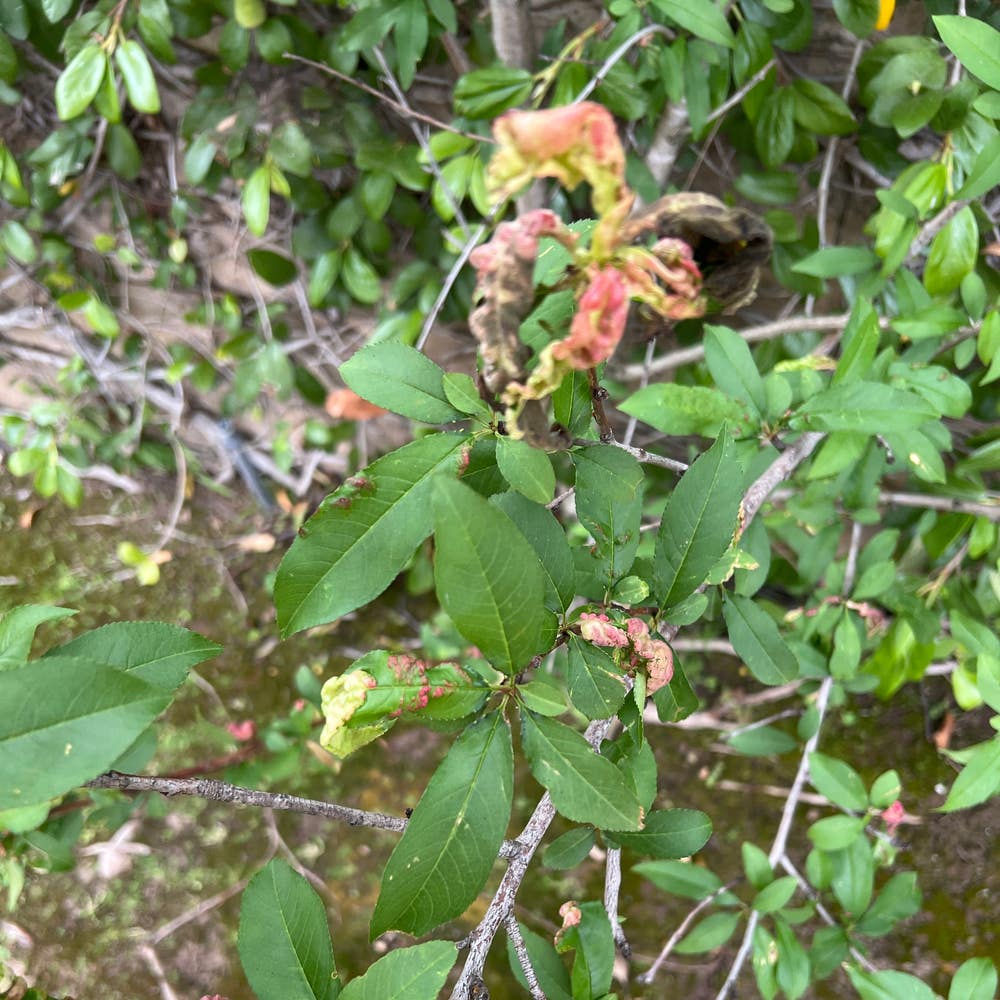
Disease symptoms on leaves are like red flags on a first date. Dark spots, unusual colors, and cankers are telltale signs that your peach tree is in a bad relationship with a pathogen.

The Detective Work: Diagnosing Leaf Drop
🔍 Inspecting the Leaves
- Visual clues on leaves can be telling; look for patterns in yellowing, browning, or spots.
- Underside inspections might reveal hidden pests or the beginnings of disease.
🕵️ Investigating the Soil and Roots
- Soil moisture should be just right; too dry or wet hints at watering issues.
- Root health is critical; signs of rot or compaction call for immediate action.

Crafting the Cure: Remedies for Leaf Drop
💧 Water Wisdom: Balancing the H2O
Watering your peach tree isn't about following a strict schedule—it's about reading the room, or in this case, the soil. Check the top inch; if it's dry, water it. If it's moist, leave it alone. Make sure your tree's not sitting in waterlogged misery by ensuring proper drainage.
🐜 Pest Control Tactics
When it comes to pests, think of yourself as a bouncer at the club of your peach tree. Insecticidal soap and neem oil are your non-lethal weapons to keep the riff-raff out. But remember, pests are like those party crashers who keep coming back—vigilance is key.
🛡️ Battling Diseases
Fungal and bacterial foes are sneaky, but they leave clues. If you see spots or decay, it's time for the big guns: fungicides and bactericides. Use them as directed, like following a doctor's prescription. And don't forget, a balanced fertilizer can be like a vitamin boost to ward off disease before it takes hold.

Fortifying Your Peach Tree: Prevention Strategies
🌳 Routine Tree Care
Pruning isn't just a seasonal chore; it's your peach tree's personal trainer, keeping it fit and ready to fend off diseases and pests. Mulching acts like a cozy blanket, regulating soil temperature and moisture, which is crucial for a stress-free root environment.
🛡️ Shielding from the Elements
Your peach tree can't grab a sweater when it's chilly, so think ahead. Winter protection with mulches and physical barriers can shield it from harsh freeze-thaw cycles. And when the sun's beating down, a little shade cloth goes a long way to prevent sunburn.
💪 Proactive Pest and Disease Defense
Stay on top of your tree's health with regular inspections; catching trouble early is like nipping it in the bud—literally. If pests are partying, prune away their playground and consider introducing beneficial insects to crash their bash. And remember, a well-fed tree is a formidable foe against fungi and other villains, so keep those nutrients coming.
⚠️ Safety First
This content is for general information and may contain errors, omissions, or outdated details. It is not medical, veterinary advice, or an endorsement of therapeutic claims.
Always consult a qualified healthcare professional before using any plant as food, medicine, or supplement.
Never eat any plant (or feed one to pets) without confirming its identity with at least two trusted sources.
If you suspect poisoning, call Poison Control (800) 222-1222, the Pet Poison Helpline (800) 213-6680, or your local emergency service immediately.
Spotted an error? Please report it here.
Keep your peach tree's foliage lush and thriving 🍑 by using Greg to monitor local climate cues and optimize your tree care routine.