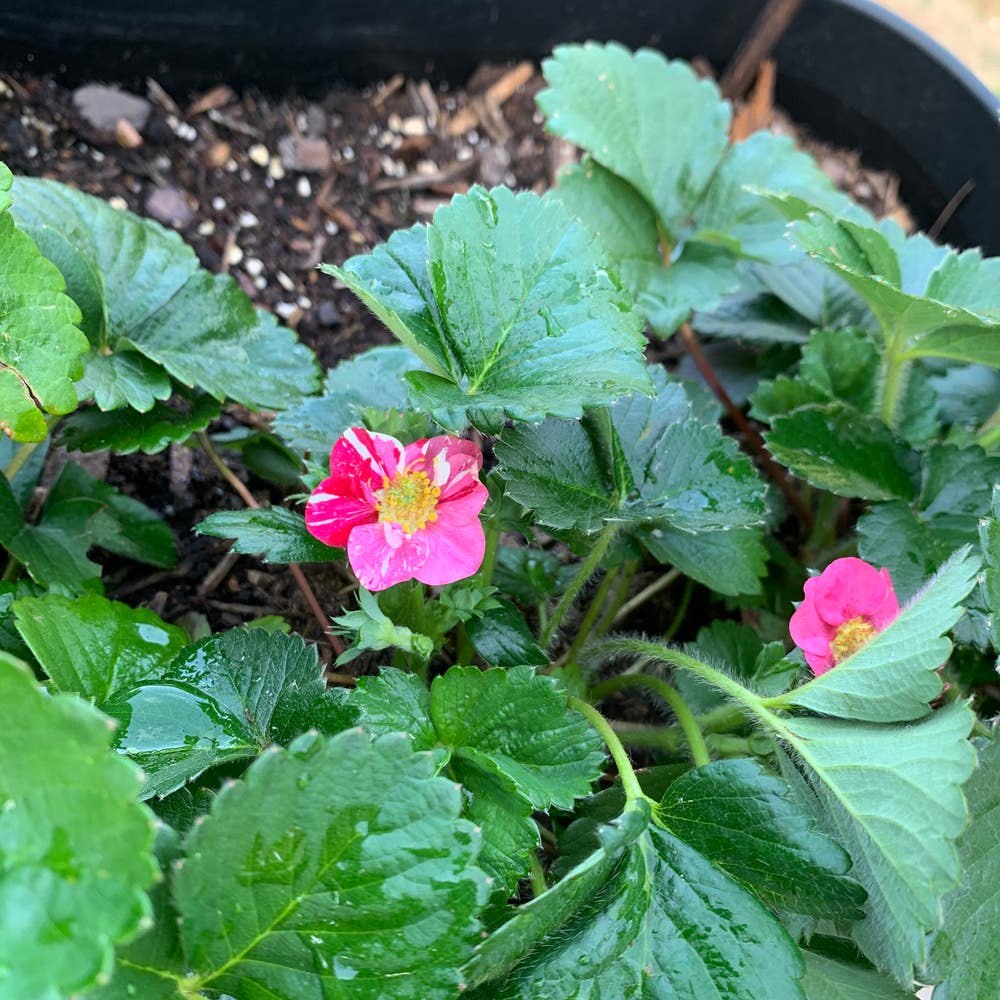
How to Fertilize Your Mock Strawberry
Potentilla indica
By the Greg Editorial Team
Jun 18, 2024•4 min read
This article was created with the help of AI so we can cover more plants for you. May contain errors. See one? Report it here.
- Spring & fall fertilization boosts Mock Strawberry blooming and winter prep.
- Balanced N-P-K ratio (10-10-10) is ideal for Mock Strawberry health.
- 🌱 Observe leaves for over-fertilization; yellowing or burn means stop and flush soil.
Timing is Everything: When to Fertilize Mock Strawberry
⏰ The Growing Season Game Plan
Springtime is crunch time for fertilizing Mock Strawberry. As the plant shakes off its winter slumber, it's gearing up for a season of growth. Early spring is when you should deliver a nutrient boost, just as the plant begins to stir. This early application sets the stage for vigorous blooming and fruiting.
Off-Season Considerations
When the growing season winds down, it's tempting to keep up the feeding frenzy, but resist. Late summer to early fall is your window for a final fertilization flourish. This isn't about fueling growth; it's about prepping the plant's root system for winter survival. After pruning, a well-timed meal can help Mock Strawberry build strong roots, reducing the risk of freeze damage. During winter, put the fertilizer away—your plant is napping, and you wouldn't want to interrupt its beauty sleep.

Choosing the Right Food for Your Plant
💡 N-P-K: The Magic Numbers for Mock Strawberry
Nitrogen, phosphorus, and potassium, the N-P-K ratio, are the VIP nutrients for Mock Strawberry health. A balanced ratio, like 10-10-10, is key. It's like a trio in a band, where each member plays a crucial role; nitrogen for leafy growth, phosphorus for strong roots and flowers, and potassium for overall vigor and disease resistance.
🍽️ Organic vs. Synthetic: What's Best for Your Ground Cover
Organic fertilizers are the slow food movement of plant nutrition—gradual and sustainable. They release nutrients as they break down, which means a lower risk of overfeeding and root burn. Think blood meal or cottonseed meal, with their gentler N-P-K values.
Synthetic fertilizers, on the other hand, are the espresso shots of the garden world—fast-acting and intense. They're great for a quick boost but can lead to nutrient overload if you're not careful. It's like cranking the volume to eleven; great in the moment, but potentially damaging in the long run.

Feeding Your Mock Strawberry Without Overdoing It
🎯 The Goldilocks Approach: Not Too Much, Not Too Little
Finding the right amount of fertilizer for your Mock Strawberry is like hitting the bullseye on a dartboard—it requires precision. Start with less than the recommended dose on the fertilizer package. Observe your plant's reaction over time. If it thrives, maintain the dosage; if it seems lackluster, incrementally increase the amount. Remember, it's easier to add more than to reverse the damage of too much.
🍃 Reading the Leaves: Recognizing Over-Fertilization Signs
Mock Strawberries don't have a poker face; they'll show you when they've had too much. Yellowing leaves or leaf burn are the plant's SOS signals. If the foliage is more lush than a rainforest but the stems are as weak as an overcooked noodle, you've gone too far. Should you encounter these symptoms, stop fertilizing immediately and flush the soil with water to dilute the excess nutrients. It's like a detox for your plant—helping it recover from its nutrient hangover.

Fertilizing Mock Strawberry in Pots and Planters
🌱 Tailoring Fertilization to Container Life
Mock Strawberries in containers face unique challenges compared to their garden-planted kin. Let's dive into tweaking your green thumb for potted success.
🌱 The Right Soil Mix
Quality soil is non-negotiable. Opt for a rich, well-draining mix that's like a VIP lounge for roots—plenty of air, moisture, and nutrients.
🌱 Fertilizer Frequency
Potted plants can't forage for food; they rely on you. Feed them with a balanced liquid fertilizer every 4-6 weeks during the growing season.
🌱 The N-P-K Ratio
A balanced N-P-K ratio (like 10-10-10) keeps your Mock Strawberries strutting their stuff. Remember, the numbers game is crucial here.
🌱 Watering and Fertilizing
Overwatering is a party foul for potted plants. Water sparingly, but when you do, mix in that liquid fertilizer to hydrate and nourish in one go.
🌱 Container Size Matters
Bigger is often better. Larger pots mean more soil, which translates to moisture retention and less frequent fertilizing. Think of it as a mini-reservoir for your plant's needs.
🌱 Observing Your Plant
Keep an eye on your Mock Strawberry's leaves. Yellowing or wilting? Might be time to reassess your fertilization game plan.
🌱 Avoiding Salt Buildup
Salt buildup is the nemesis of container gardening. Flush the soil occasionally with water to prevent your Mock Strawberry from turning into a salty hermit.
🌱 Seasonal Adjustments
As the seasons change, so should your fertilization strategy. Ease up in the off-season to prevent overzealous growth when your plant's trying to chill.
🌱 Mind the Roots
Roots need personal space. Apply fertilizer near the soil surface, not directly on the roots, to avoid a root-burn meltdown.
Remember, container life doesn't mean your Mock Strawberries can't thrive. It's all about that tailored care—like a bespoke suit for your green companions.
⚠️ Safety First
This content is for general information and may contain errors, omissions, or outdated details. It is not medical, veterinary advice, or an endorsement of therapeutic claims.
Always consult a qualified healthcare professional before using any plant as food, medicine, or supplement.
Never eat any plant (or feed one to pets) without confirming its identity with at least two trusted sources.
If you suspect poisoning, call Poison Control (800) 222-1222, the Pet Poison Helpline (800) 213-6680, or your local emergency service immediately.
Spotted an error? Please report it here.
Ensure your Mock Strawberry thrives with optimal fertilization 🍓 by using Greg to track the perfect feeding schedule and adjust as the seasons change.