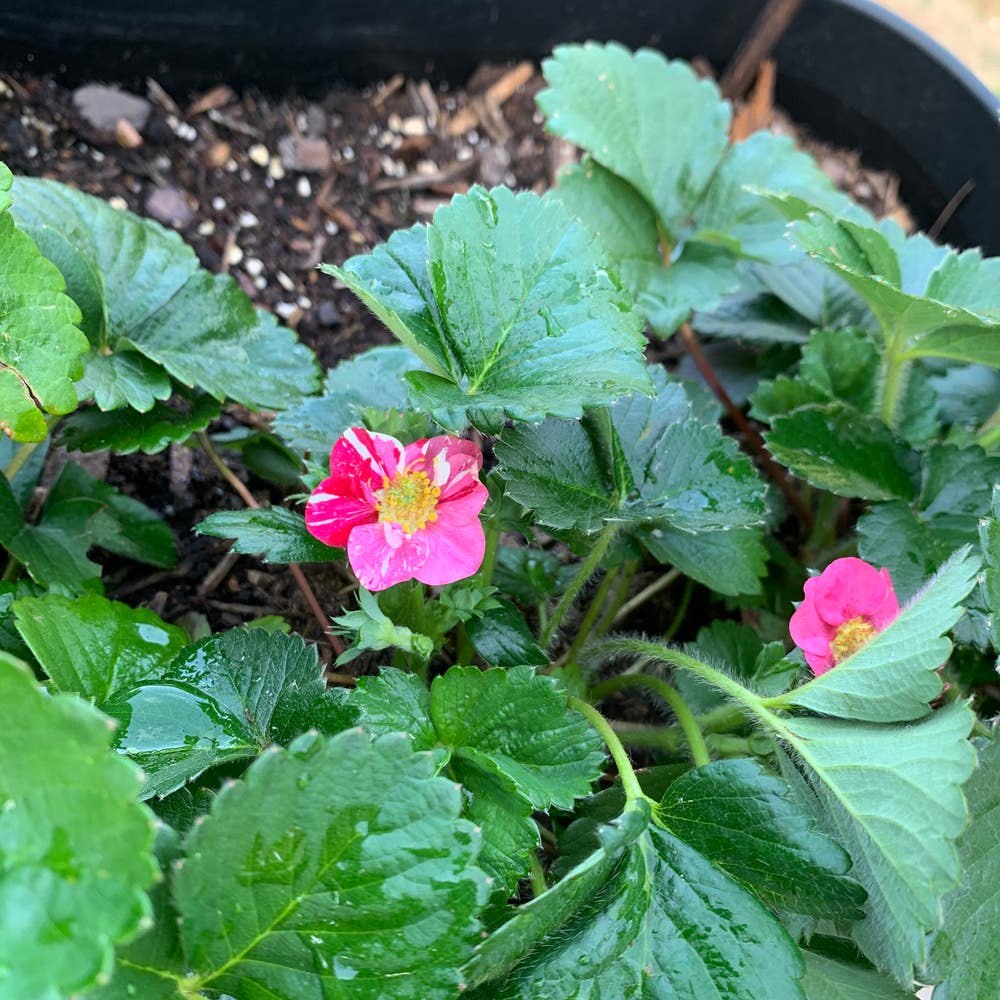
💧 Why Are My Mock Strawberry Leaves Mushy?
Potentilla indica
By the Greg Editorial Team
Jun 18, 2024•4 min read
This article was created with the help of AI so we can cover more plants for you. May contain errors. See one? Report it here.
- 🚫 Overwatering leads to mushy leaves and root rot in Mock Strawberries.
- 🌱 Proper soil mix and drainage holes are crucial to prevent water retention.
- 🕵️♂️ Regular inspections for pests and fungi protect weakened leaves.
Spotting the Trouble: Signs Your Mock Strawberry Leaves Are Too Wet
🌊 Soggy Soil Saga
Dampness is a tell-tale sign your Mock Strawberry might be taking an unintended swim. If the soil feels more like a wet sponge than a moist, crumbly cake, it's time to dial back on the watering.
👃 The Stench of Sogginess
A foul odor wafting from the soil is like a distress signal from your plant's roots. Trust your nose; if it smells like a forgotten gym locker, it's likely that root rot has begun its dirty work below the surface.

When Water Becomes the Enemy: Overwatering and Root Rot
💦 The Perils of Overzealous Watering
It's a delicate dance with the watering can. Overwatering your Mock Strawberry can lead to a soggy demise. The plant's roots need to breathe, not swim. If the soil clings to your fingers like a lifeline, it's a red flag. Your green thumb should aim for moist, not marshy.
🌱 Root Rot Rundown
Mushy leaves are a distress signal from below the soil. Root rot is the stealthy saboteur, thriving in the excess moisture you've unintentionally provided. Blackened roots that crumble to the touch are a surefire sign of trouble. It's not just about less water—it's about smarter watering.

The Drain Game: Ensuring Your Soil Isn't Holding Water Hostage
💧 Mix It Up for Better Drainage
Choosing the right soil mix is crucial for Mock Strawberries. A heavy, water-retaining mix is a one-way ticket to mushy leaf city. Incorporate perlite or coarse sand to keep the soil light and breathable. This ensures that water doesn't overstay its welcome, preventing the dreaded root rot.
🌱 Potting Practices
The container for your Mock Strawberry is more than just a home—it's a life support system. Drainage holes are the non-negotiable features of any pot you choose. They're like the emergency exits for excess water. If you're working with a pot that's as sealed as a drum, it's time for an upgrade or a DIY drilling session. Remember, a pot without proper drainage is like a submarine for your plant's roots—it will only lead to disaster.

Fungus Among Us: Tackling Fungal Foes
🍄 Spotting Fungal Fiends
Mock Strawberries are tough, but they're not invincible against the creep of fungal infections. Watch for the telltale signs: white or gray fuzz on leaves or a moldy appearance. It's like your plant's waving a white flag, begging for intervention. If the leaves look more like a science experiment than a vibrant plant, it's time to act.
💉 Fungicide to the Rescue
When fungi crash the party, it's fungicide time. But hold your horses—don't just douse your plant in chemicals. Spot-treat with care, using products like potassium bicarbonate or tebuconazole with trifloxystrobin. Always, and I mean always, follow the label's instructions like your plant's life depends on it—because it does. And remember, good garden hygiene is your first line of defense. Clear out those fallen leaves and debris to cut off the spore superhighway.
The Bug Battle: Keeping Pests from Munching on Moisture-Weakened Leaves
🕵️ Early Detection, Early Peace
Regular inspections are your plant's personal bodyguards. Catching pests early is like nipping a problem in the bud—literally. Look under leaves and near stems for uninvited guests. If you spot any, it's action time.
🛡️ Natural and Chemical Shields
Natural predators are your garden's unsung heroes. Ladybugs and lacewings munch on aphids, while predatory mites take down spider mites. Not a fan of the bug brigade? Reach for insecticidal soaps or neem oil—they're the bouncers of the botanical world.
For those tougher infestations, chemical pesticides are the heavy hitters. Use them as a last resort and with precision—think sniper, not shotgun. Remember, the goal is to evict the pests, not to lay waste to your garden's ecosystem.
⚠️ Safety First
This content is for general information and may contain errors, omissions, or outdated details. It is not medical, veterinary advice, or an endorsement of therapeutic claims.
Always consult a qualified healthcare professional before using any plant as food, medicine, or supplement.
Never eat any plant (or feed one to pets) without confirming its identity with at least two trusted sources.
If you suspect poisoning, call Poison Control (800) 222-1222, the Pet Poison Helpline (800) 213-6680, or your local emergency service immediately.
Spotted an error? Please report it here.
Ensure your Mock Strawberries are leaf-healthy 🌿 with Greg's custom watering reminders, safeguarding against overwatering and root rot.