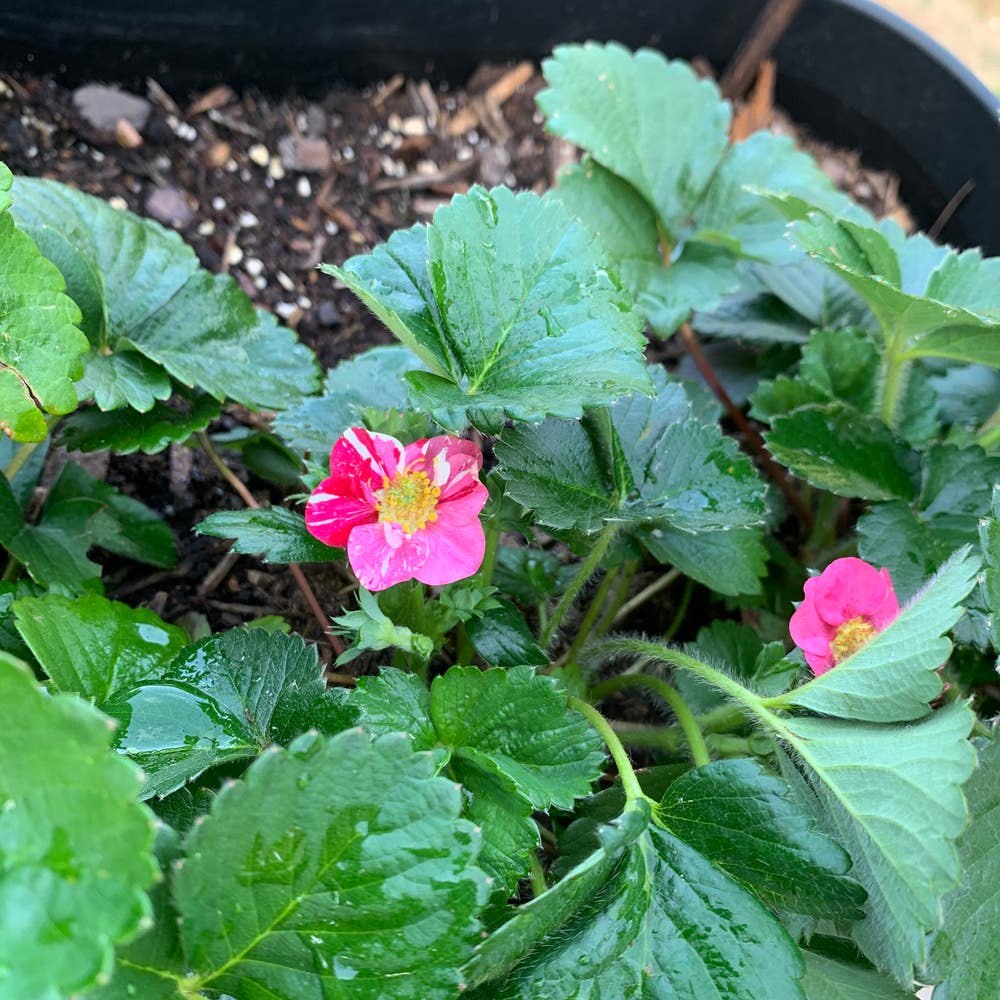
How Do I Fix Mock Strawberry Root Rot?
Potentilla indica
By the Greg Editorial Team
Jun 18, 2024•4 min read
This article was created with the help of AI so we can cover more plants for you. May contain errors. See one? Report it here.
- Wilting, yellowing, and smelly soil indicate Mock Strawberry root rot.
- Trim rotten roots and repot in well-draining soil for recovery.
- Prevent rot with dry soil, good drainage, and indirect sunlight.
Spotting the Trouble Signs
🚨 Visual Symptoms
Wilting and yellowing leaves are the first visual clues that your Mock Strawberries might be suffering from root rot. These symptoms should raise immediate concern, prompting a closer examination.
Leaves that appear puffy or exhibit small black dots are signaling a cry for help. Such changes suggest that the plant's health is compromised and action is needed without delay.
🧐 Smell and Texture
The stench of decay is unmistakable. If your plant's soil smells like last week's forgotten leftovers, it's a red flag for root rot.
Roots should be firm and white, not mushy and brown. If they feel like overcooked noodles, it's a clear indication that root rot has taken hold. This tactile evidence confirms the visual distress signals observed above.

Getting Your Hands Dirty: The Diagnosis
🌱 Inspecting the Roots
To unearth the truth about your Mock Strawberry's health, you'll need to get a little dirty. Gently remove the plant from its pot and shake off excess soil to get a clear view of the root system. Healthy roots should be firm and white, a sign of vigor and life. If they're brown, mushy, or emit a foul odor, you're facing root rot.
🕵️ Confirming Root Rot
Once you've exposed the roots, it's time for a closer examination. Dark, soft roots are the hallmark of decay. If they crumble at your touch, like a stale cookie, you've confirmed the presence of root rot. Don't rely solely on touch; if the roots smell like they belong in a compost pile, that's another red flag. If you're still unsure, a soil test can identify fungal culprits, or a local diagnostic lab can provide a definitive answer. Remember, catching root rot early is crucial, so don't hesitate to investigate at the first sign of trouble.

The Rescue Mission: Treating Root Rot
✂️ Cutting Back
Armed with sterilized scissors, it's time to perform an emergency trim on your Mock Strawberry's roots. Snip away the rotten parts; this isn't just a cosmetic fix, it's a necessity for survival.
🌬️ Drying Out and Repotting
Once the bad roots are history, let the good ones breathe. Hold off on watering—your plant's not a fish. When the roots are no longer gasping for air, introduce them to a new home: a well-draining soil mix. Think of it as a soil mix that doesn't like to hold onto a drink.
🦠 Fungicide to the Rescue
Now, bring in the big guns: fungicide. Apply it like a surgeon—meticulously. It's your Mock Strawberry's new best friend, but remember, it's strong stuff. Follow the instructions like your plant's life depends on it—because it does.

Keeping It Dry and Happy: Prevention Strategies
💧 Watering Wisely
Overwatering is the fast track to root rot. To keep your mock strawberries thriving, water only when the soil feels dry to the touch. A steady hand and a watchful eye are your best tools. Remember, these plants prefer a drink when they're thirsty, not a constant soak.
🌱 Soil and Drainage Mastery
Good drainage isn't just nice to have; it's essential. Amend your soil with perlite or coarse sand if it's more clingy than a wet sponge. Think of it as setting up a life jacket for your plant's roots, keeping them afloat in the right amount of moisture.
💨 Circulation and Light
Your mock strawberries need to breathe and bask, just like you on a good day. Ensure they have plenty of air circulation and access to bright, indirect sunlight. Rotate the pot for even exposure, and if you spot your plant stretching like it's trying to snag the last cookie, it's craving more light.
⚠️ Safety First
This content is for general information and may contain errors, omissions, or outdated details. It is not medical, veterinary advice, or an endorsement of therapeutic claims.
Always consult a qualified healthcare professional before using any plant as food, medicine, or supplement.
Never eat any plant (or feed one to pets) without confirming its identity with at least two trusted sources.
If you suspect poisoning, call Poison Control (800) 222-1222, the Pet Poison Helpline (800) 213-6680, or your local emergency service immediately.
Spotted an error? Please report it here.
Ensure your Mock Strawberries are root rot-free 🛡️ with Greg's custom watering reminders and health checks, tailored to keep your plants strong and healthy.