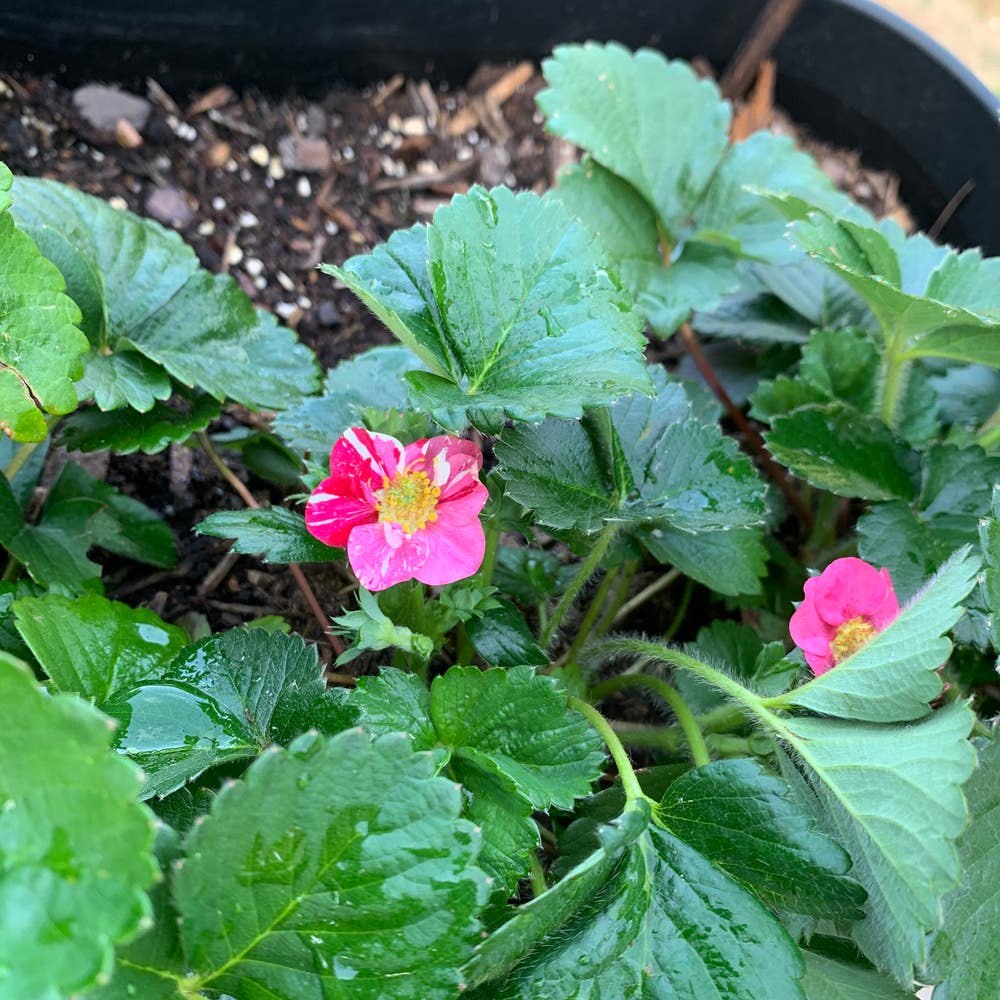
Best Soil for Mock Strawberry
Potentilla indica
By the Greg Editorial Team
Jun 18, 2024•3 min read
This article was created with the help of AI so we can cover more plants for you. May contain errors. See one? Report it here.
- Mold and compaction harm Mock Strawberries, causing root issues and nutrient loss.
- Peat moss, perlite, compost make the best soil mix; pH 5.5-6.5 ideal.
- Choose light, adaptable commercial soil; brands like Miracle Gro, Happy Frog recommended.
Spotting and Fixing Unhappy Mock Strawberry Soil
🚫 Signs Your Soil is a No-Go
🍄 Spotting Mold
Mold on your Mock Strawberry soil? Red flag. It's not just unsightly; it's harmful. Mold can choke out your plant, stealing nutrients and causing root rot.
💦 Waterlogged or Compacted Soil
If your soil feels like a soaked sponge, your Mock Strawberries are in trouble. Compacted soil is just as bad, suffocating roots and blocking vital air flow.
Turning Sad Soil Happy
🛠️ Beating Mold
Aeration and moisture control are your weapons against mold. Cut back on watering and let the soil breathe. If mold's still hanging around, repot with fresh, sterile soil.
🌊 Fixing Waterlogged or Compacted Soil
Drainage is key. Ensure your pots have holes and consider a soil mix that doesn't hold excess water. For compacted soil, fluff it up with some perlite or sand to get air moving again.

Crafting the Ultimate Mock Strawberry Soil Mix
🌱 The Dream Team Ingredients
Peat moss, perlite, and compost form the trifecta of Mock Strawberry soil bliss. Peat moss is the hydration hero, locking in moisture without causing sogginess. Perlite steps in as the lightweight champ, ensuring aeration and drainage. Compost, the nutrient ninja, sneaks a punch of fertility to the roots.
Mixing it Right
Get your gloves on; it's mixology time. Start with two parts peat moss for that slight acidity Mock Strawberries love. Add one part perlite to keep the soil from clumping like last year's clay art project. Finally, blend in one part compost for a nutrient kick. Aim for a pH between 5.5 and 6.5; it's the sweet spot where these berries thrive. Keep tweaking until your Mock Strawberries start throwing a party.

Choosing and Using Commercial Soil Like a Pro
🌱 Picking the Best Bag
When shopping for commercial soil for your Mock Strawberries, think of it as a quest for the holy grail of gardening. Labels are your treasure map; they reveal the secrets within. Look for a mix that's light, indicating good aeration, and one that boasts a blend of peat moss, perlite, and compost. These ingredients ensure drainage and nutrient richness, which Mock Strawberries love.
Avoid bags that feel like they're filled with wet cement. Compacted, heavy soil is a no-go; it's like putting your plants in quicksand. Also, keep an eye out for soil that can adapt to your local seasons. If your weather has more mood swings than a teenager, you'll want soil that can handle the drama.
🌿 Brand Shoutouts
Let's drop some names. For Mock Strawberries, you can't go wrong with a bag of Miracle Gro Potting Mix—it's like the Swiss Army knife of soils. If you're feeling adventurous, Happy Frog Potting Soil brings the party to your plants with its nutrient-rich mix.
For those with a green conscience, Rosy Soil not only supports your Mock Strawberries but also the planet. And if you stumble upon a deal like Aldi soil, don't be afraid to experiment. Sometimes the underdog can surprise you, giving those premium mixes a run for their money.
Remember, while convenience is king, your Mock Strawberries might need a little extra love. Don't hesitate to tweak the mix to get that perfect pH balance. Keep it mildly acidic to neutral, somewhere between 6.1 and 7.5, to see your Mock Strawberries thrive.

⚠️ Safety First
This content is for general information and may contain errors, omissions, or outdated details. It is not medical, veterinary advice, or an endorsement of therapeutic claims.
Always consult a qualified healthcare professional before using any plant as food, medicine, or supplement.
Never eat any plant (or feed one to pets) without confirming its identity with at least two trusted sources.
If you suspect poisoning, call Poison Control (800) 222-1222, the Pet Poison Helpline (800) 213-6680, or your local emergency service immediately.
Spotted an error? Please report it here.
Keep your Mock Strawberries flourishing 🍓 with Greg's personalized care reminders and soil moisture tracking, ensuring the perfect peat moss, perlite, and compost blend for your plants!